
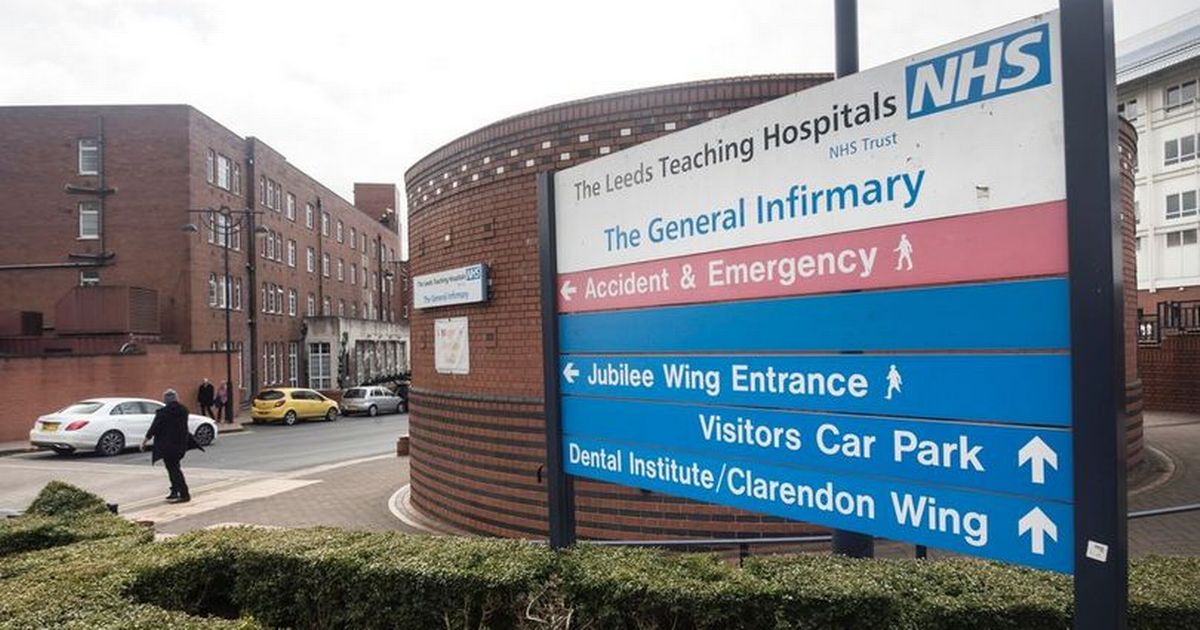
Edward Jones died just 18 days after his fifth birthday at Leeds General Infirmary
18:20, 19 Dec 2025Updated 20:01, 19 Dec 2025
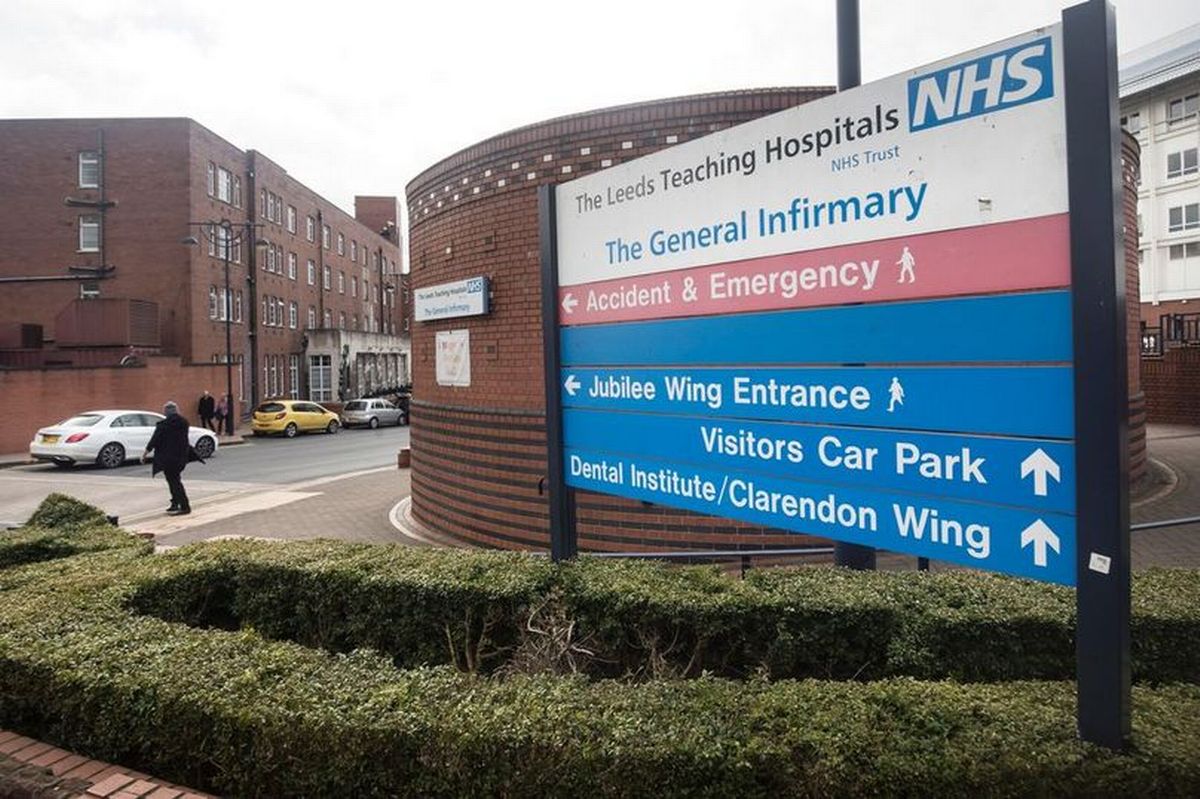 Leeds General Infirmary
A Prevention of Future Deaths report has been issued after the death of a five-year-old boy from sepsis at Leeds General Infirmary (LGI). Edward Richard Jones died 18 days after his 5th birthday, on February 18, 2023, at LGI. He died from streptococcal sepsis, but this could only be confirmed after his death.
A Prevention of Future Deaths report has now been issued by HM Area Coroner Oliver Longstaff, which revealed Edward had attended the LGI PED with abdominal pain, leg pain, diarrhoea, previous vomiting, and dehydration, but at first, his diagnosis was unclear. A blood gas test showed a raised lactate, but this was not repeated, and a failure in communication meant the Paediatric Registrar believed it had een repeated and was now normal.
LGI’s Sepsis Screening Tool was not used, and shortages in medical staff and beds on the ward compromised the management of Edward’s case. Edward remained for 13 hours in the PED. He was not given antibiotics before he began to deteriorate, as it was thought he did not meet the threshold. The Leeds Teaching Hospitals NHS Foundation Trust later admitted he should have been.
In addition, the presence of upper thigh pain, and his elevated CRP were not given the proper weight when decisions were made. Despite the fact that other diagnoses were considered, antibiotics should have been given to Edward, as direct harm would have been unlikely and the medication could have been stopped if he did not have sepsis.
Eventually, antibiotics for a suspected case of cholangitis were prescribed following an ultrasound scan which revealed issues with Edward’s gall bladder or liver, but here was a delay of 60-90 minutes before they were administered. Sadly, Edward died as a result of his sepsis while at the hospital.
The coroner has now written to the National Institute for Health and Clinical Excellence (NICE) to call for action. He said that while there is no national Sepsis Screening Tool (SST), the Leeds NHS Trust has deceloped one which is designed to be used by junior nursing staff to improve the likelihood of considering sepsis.
This SST is intended to be completed when a patient is admitted, or when they deteriorate. It considers a number of symptoms, such as abnormal respiratory rate, mottling, rash or appearing blue, high heart rate, low blood pressure, altered conscious level, and parental or health professional concern.
A singley positive score means there must be an urgent assessment by a senior decision maker, and if sepsis is confirmed then a patient must be given antibiotics within an hour. The Trust did not administer the SST, and the Trust assured the inquest that work was underway to ensure consistent use of the SST.
The coroner said it was not his place to recommend the tool, the lack of use of the tool was a cause for concern. NICE now have 56 days to respond, with a deadline of February 13, 2026.
Get all the latest and breaking news in Leeds by signing up to our newsletter here.