
Fexofenadine is a non-drowsy antihistamine used to treat allergies, but NHS guidance warns that a number of fruit juices could cause issues
07:00, 20 Dec 2025Updated 07:00, 20 Dec 2025
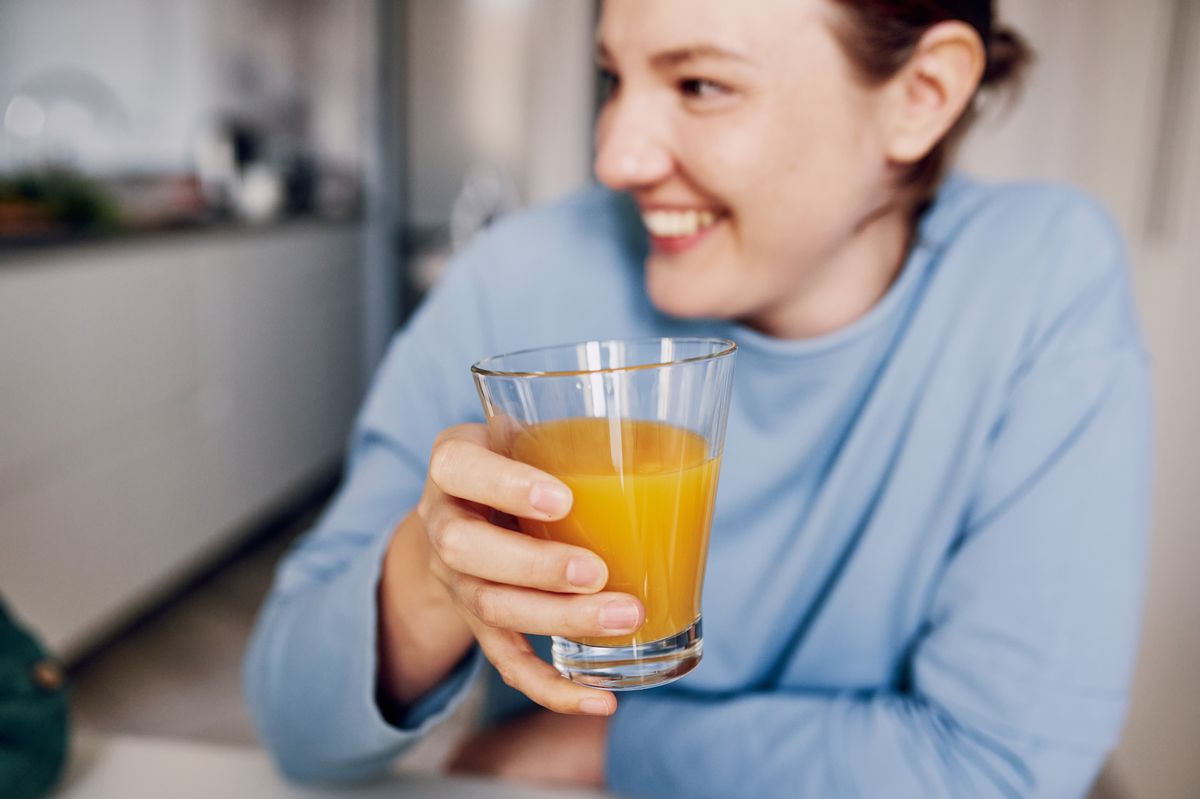 Allergy symptoms can often be treated with fexofenadine(Image: Getty Images)
Allergy sufferers may be unwittingly sabotaging their medication by consuming fruit juice. Fexofenadine, an antihistamine commonly sold under various brand names such as Allevia, Hirstallay, and Threathay, is often used to alleviate symptoms of allergies and conditions like eczema.
Like many other antihistamines, fexofenadine works by blocking the body’s chemical responsible for triggering allergic reactions. It’s a popular choice among allergy sufferers due to its non-drowsy nature, making it less likely to induce sleepiness compared to other antihistamines.
However, despite its effectiveness in treating allergy symptoms, many people could be inadvertently diminishing its potency through their dietary choices. The way fexofenadine interacts with certain fruits could potentially nullify the drug’s benefits almost entirely.
 Fexofenadine can treat allergies and eczema(Image: Getty Images)How fexofenadine interacts with some fruits
Fruit juices derived from oranges, apples, and grapefruits can interfere with how fexofenadine functions in the body. This is because fexofenadine’s absorption relies on cells in the small intestine, known as the organic anion transporting polypeptides (OATPs).
Research has shown that beverages containing as little as 5% fruit juice can interfere with OATPs functioning correctly and may reduce fexofenadine absorption by up to 60%. Consequently, this means the medication isn’t properly absorbed and may prove less effective at relieving allergy symptoms.
Thankfully, this interaction can be avoided by steering clear of fruit juice for up to two hours both before and after taking fexofenadine. For many people, this shouldn’t pose too much difficulty, as it’s typically recommended to take fexofenadine just once daily, leaving ample opportunity to obtain essential vitamins from fruit juice at other times.
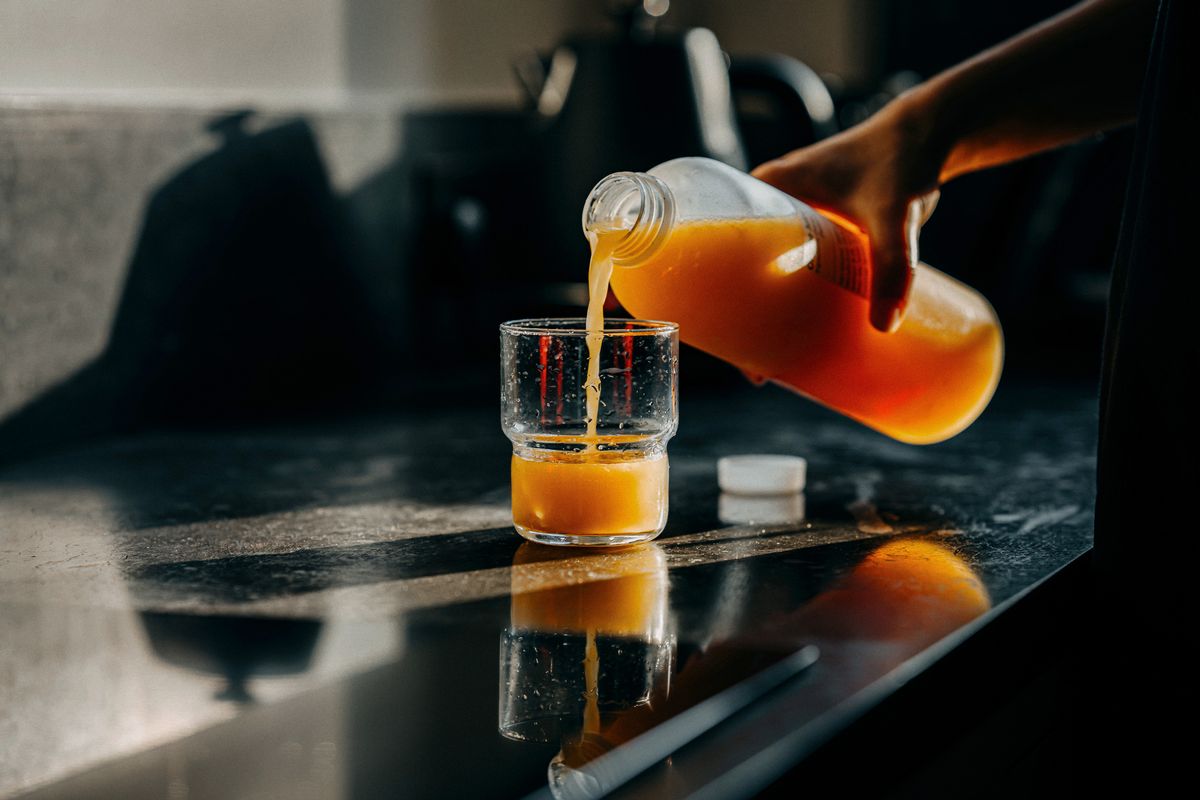
 A number of fruit juices can interact with fexofenadine(Image: Getty Images)
The NHS guidance states: “Do not drink grapefruit juice, apple juice or orange juice while you’re taking fexofenadine as the medicine may not work as well.” But fruit juices aren’t the only beverages that should be avoided whilst taking fexofenadine.
NHS guidance also warns: “It’s best not to drink alcohol while you’re taking fexofenadine as it can make you feel sleepy.” This is because, although classified as a non-drowsy antihistamine, alcohol can amplify drowsiness, potentially affecting your ability to operate machinery or drive.
If you’re worried about whether your diet might be impacting fexofenadine or any other medicines you’re taking, it’s recommended that you consult your GP or another appropriate healthcare professional who can offer expert medical advice.