
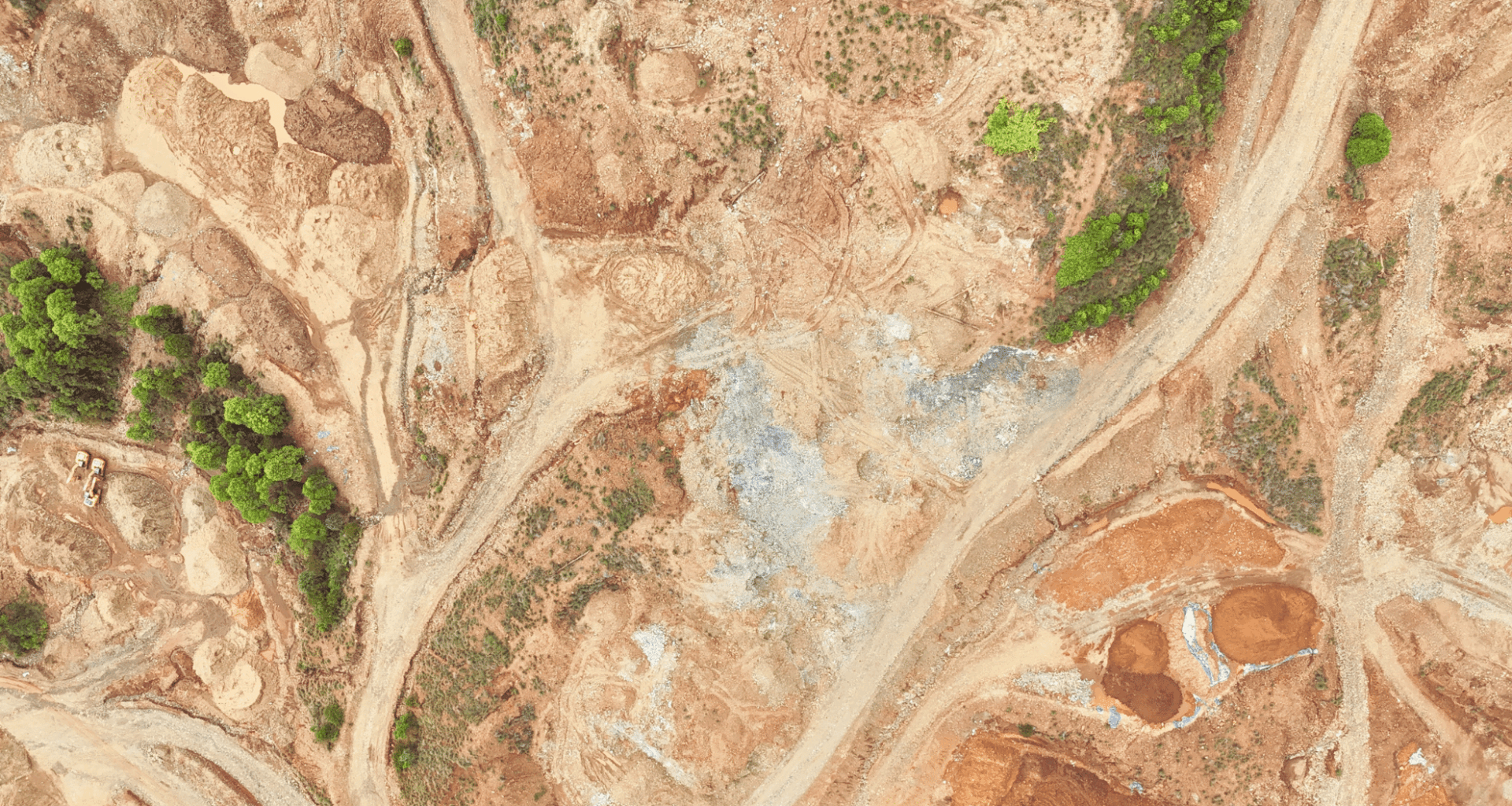
A major discovery in northwestern Tanzania could reshape the country’s mining sector and global economy. The Kabanga nickel deposit, one of the world’s largest, holds millions of tons of high-grade nickel ore, vital for electric vehicle battery production. Research led by Jambo Hamisi Ramadhani examines the potential impact of this find on Tanzania’s economy and local communities.
The Kabanga Nickel Deposit: A Game Changer for Tanzania’s Economy
The Kabanga deposit is located in Tanzania’s far northwestern region and holds roughly 64 million short tons of nickel ore, a staggering figure that places it among the largest deposits in the world. This mineral discovery could drive a new wave of mining activity in Tanzania, a country rich in untapped resources but still facing significant infrastructural challenges. For years, Tanzania has been largely overlooked in the global mining race, but Kabanga’s potential has put the country firmly on the map.
Nickel, an essential component in lithium-ion batteries used for electric vehicles, is in high demand. As the world moves towards greener energy solutions, the need for metals that can power electric cars and renewable energy storage has skyrocketed. The Kabanga deposit is particularly valuable due to its high-grade sulphide ore, which contains a higher concentration of nickel than many other global deposits. This means that Kabanga’s nickel could help meet the growing demand for batteries without the environmental costs associated with extracting lower-grade nickel ores.
Tanzania’s government is eager to capitalize on this opportunity. The discovery of Kabanga offers a chance to boost local economies, create jobs, and build infrastructure in areas that have long been neglected. However, the journey from discovery to large-scale production is not without its hurdles. Local communities and mining companies alike must navigate complex issues such as sustainability, job creation, and local content regulations, all while balancing investor interests.
How Mining Transforms Local Economies
The potential impact of the Kabanga discovery is not just about the mineral wealth beneath the surface; it’s also about how mining can reshape local economies and communities. The study led by Jambo Hamisi Ramadhani, a policy researcher at University College Dublin, delves into the economic and social changes brought by mining activities in Tanzania. Ramadhani’s research focuses on how the mining sector can either lift or harm local communities, depending on how it is managed.
Ramadhani, who is studying for a PhD in Global Human Development, has spent years examining the effects of mining on the Tanzanian economy. His work highlights the challenges that the country faces as it seeks to harness its natural resources for national development. In particular, he points out that foreign mining companies often extract wealth from the country without providing long-term benefits to local communities.
His study also explores how Tanzanian government policies, particularly local content regulations, are reshaping the relationship between foreign firms and local businesses. By requiring foreign companies to hire Tanzanians, source goods from local suppliers, and contribute to community development, the government aims to ensure that mining benefits more than just multinational corporations. Ramadhani’s work is crucial in understanding how these policies work in practice and what changes are still needed to make the mining industry truly beneficial for Tanzanians.
The Role of Nickel in the Global Shift to Electric Vehicles
As the world shifts towards electric vehicles (EVs) to combat climate change, the demand for metals like nickel is skyrocketing. Nickel plays a pivotal role in the production of lithium-ion batteries, which power everything from electric cars to smartphones. The Kabanga deposit, with its high nickel content, could play a critical role in meeting this demand.
High-grade nickel ores like those found in Kabanga are particularly valuable because they allow manufacturers to produce batteries with higher energy densities. This means that electric vehicles can travel farther on a single charge, making them more competitive with traditional gasoline-powered cars. For Tanzania, this presents an opportunity to be at the forefront of a global industry that is set to grow exponentially in the coming decades.
However, the extraction of nickel also comes with environmental challenges. Mining companies and governments must work together to ensure that the benefits of this precious resource are not outweighed by environmental degradation. This is particularly important as global attention turns to sustainability in all industries, including mining.