
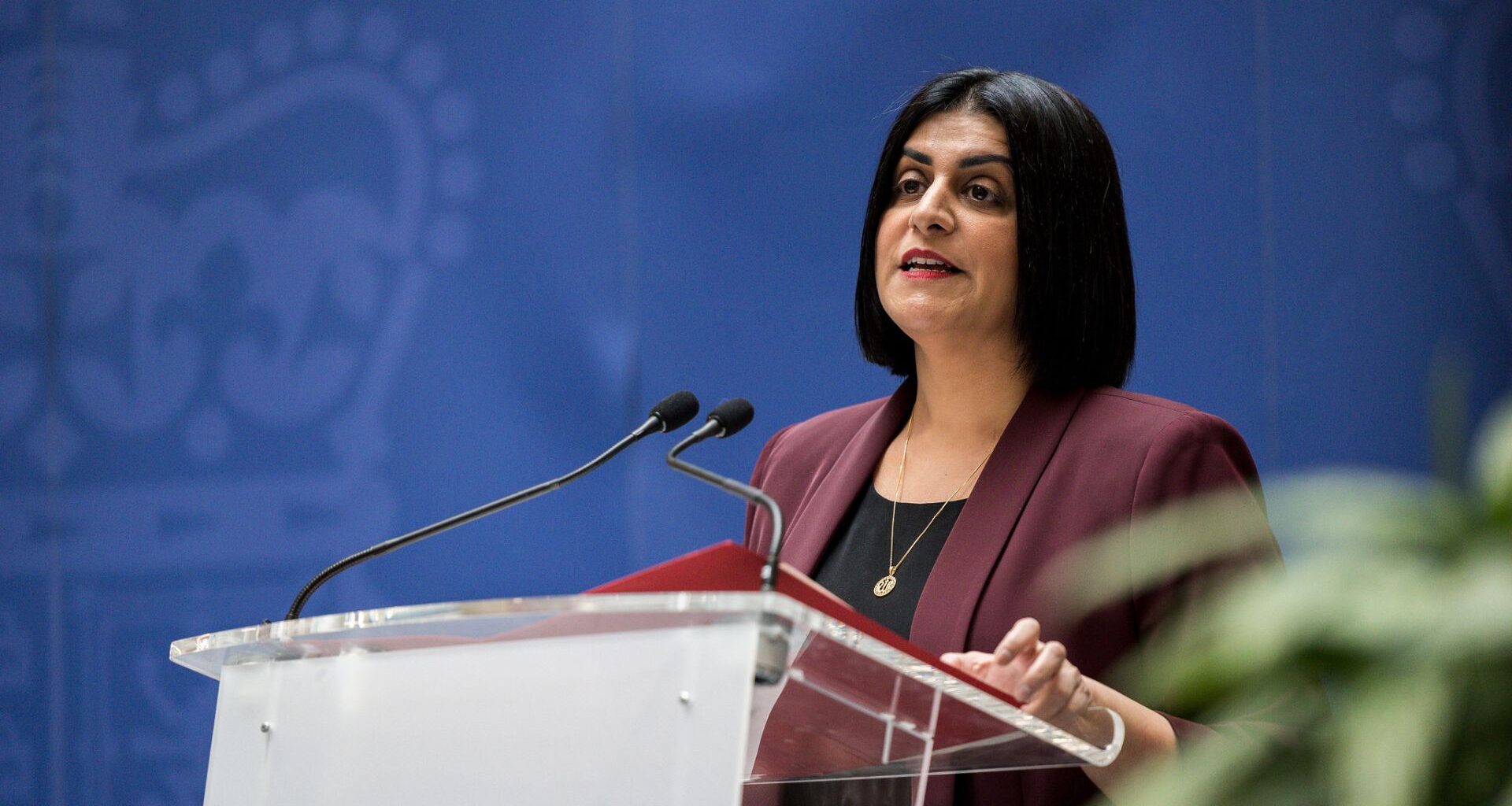
When home secretary Shabana Mahmood set out her reforms on the pathway to settlement, many felt her proposals echoed anti-immigrant tropes. Her measures represent a significant hardening of Britain’s approach to refugee protection – one I find deeply disturbing. But I do understand Mahmood’s desire to make sure Britain’s borders are controlled and secure. Named community sponsorship provides the necessary middle ground. It matches those in genuine need with those who have space in their lives and communities. It offers a lifeline to a few and showcases the best of what our country stands for.
This model works precisely because it addresses the concerns that make some communities resistant to refugee resettlement. When local people choose the refugees they want to come and commit to supporting them, integration succeeds in ways that top-down placement never could. Sponsors become advocates, ensuring the refugees receive a warm welcome and the practical help they need. Refugees gain social capital and employment connections faster. Long-term costs to the state fall.

There is strong evidence to support this approach. Research from More in Common shows this form of controlled and coordinated refugee resettlement is supported by the public – even among the most migration-sceptic segments of the population. This is because community sponsorship neutralises the sense of threat that some people feel when refugees are imposed on a certain area or neighbourhood.
US data also reinforces this: when safe and legal routes are made available, there is a significant reduction in unregulated migration. When people are given a realistic, dignified alternative to dangerous journeys and exploitative smuggling networks, they wait in line. Safe routes undercut the business model of traffickers, reduce chaos at borders and replace fear with order.
In other words, compassion and control are not opposites: well-designed humanitarian pathways like named community sponsorship are one of the most effective tools we have for restoring both public confidence and humane outcomes around migration.
Yet one month later, the scheme remains simply a promise without detail.
Britain does not need to choose between secure borders and humanitarian values. Named community sponsorship offers both. The nation that responded so generously to Ukraine are ready and waiting to do so again – as soon as the Home Office provides the framework to make it possible.
There is room at the inn.
Dr Krish Kandiah is the founder of the Sanctuary Foundation.
Do you have a story to tell or opinions to share about this? Get in touch and tell us more.
Change a vendor’s life this Christmas.
Buy from your local Big Issue vendor every week – or support online with a vendor support kit or a subscription – and help people work their way out of poverty with dignity.