
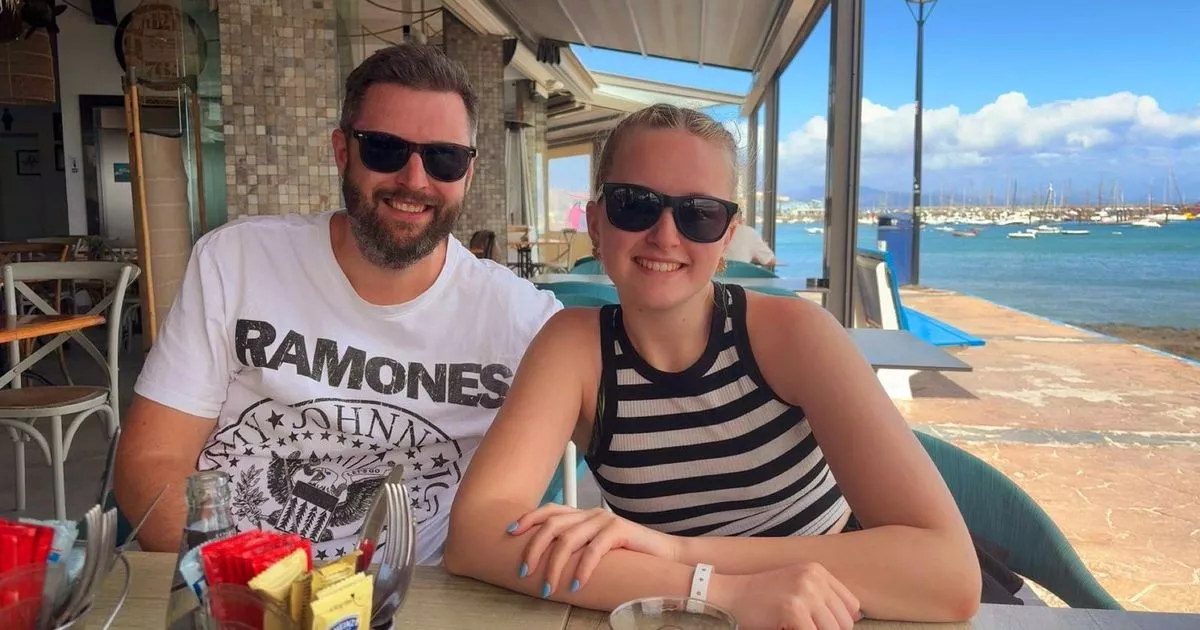
Meg Draper died from meningitis aged 18 despite her parents thinking she’d been fully vaccinated against the serious infection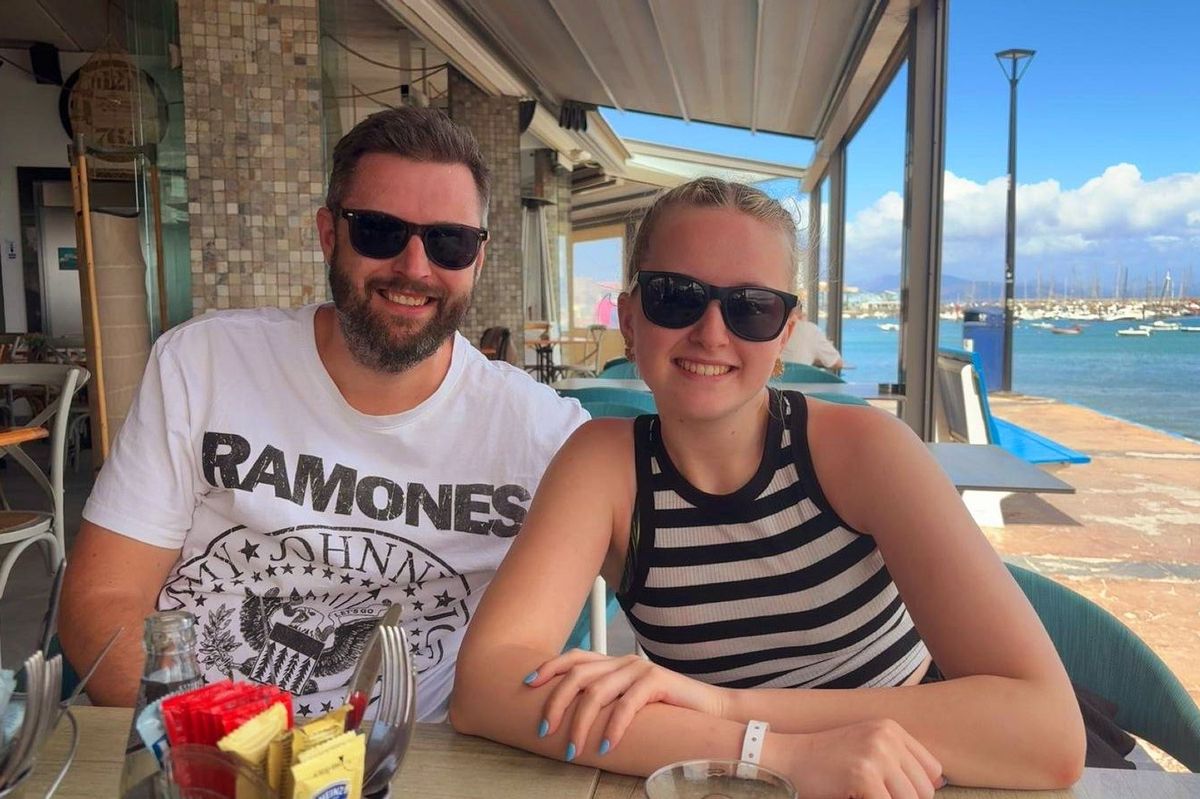 Meg with her dad Lee(Image: Draper Family)
Lee and Helen Draper will never forget the day they received the phone call every parent dreads. Their sporty, outgoing daughter Meg was ill hours away from home at university.
The 18-year-old from Pontypool started at Bournemouth University in September and was thriving, getting stuck in with netball and swimming and loving meeting new people. Just five weeks in, that dream start became a nightmare overnight when Meg developed a temperature and a rash – four days later she died from meningitis B (MenB).
Her parents had assumed she’d been fully vaccinated against the illness when she was jabbed at age 14 but later found out this didn’t protect their daughter against the strain most prevalent in her age group.
“You just assume that you have a meningitis vaccination and it protects you against meningitis,” said Helen. For the biggest stories in Wales first, sign up to our daily newsletter here
Now, Meg’s parents are trying to raise awareness about what they perceive as a lack of information surrounding the different strains of meningitis and are keen to make the vaccine they wish Meg had taken more accessible.
Lee said: “Meg was just lovely. She was kind, caring, she just liked being around people, she liked helping people as much as she could. She just wasn’t your typical teenager!”
Helen added: “She was really outgoing and chatty, she was really sporty so loved anything that would get her out and about and enjoying life. She was all about other people and she was definitely gregarious, she didn’t fear a lot, she just wanted to live life.”
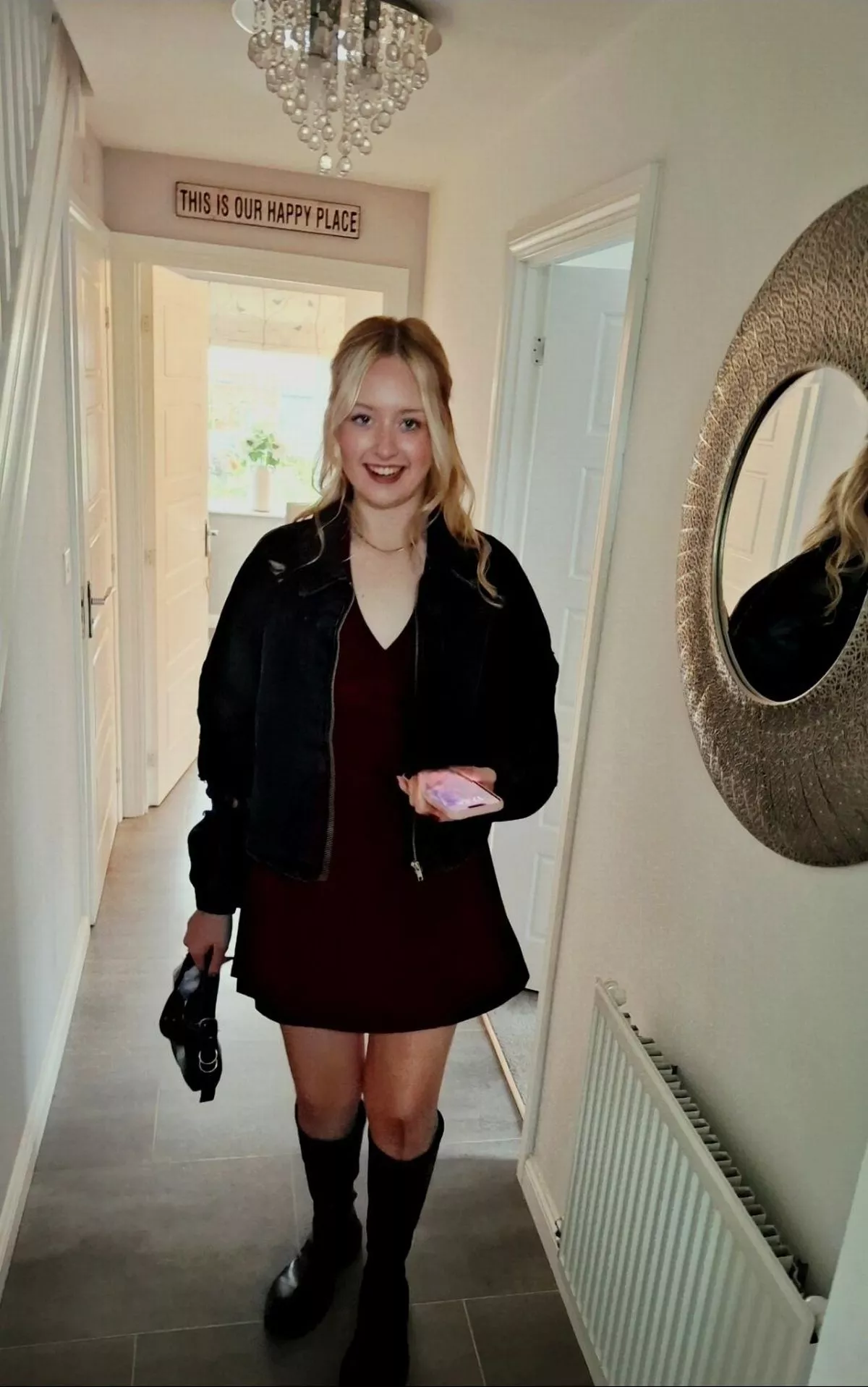 Meg has been remembered for her kind and caring nature(Image: Draper Family)
In September, Meg started studying physiotherapy at Bournemouth University. Her parents were so proud of how their daughter thrived when she moved almost three hours away from home, instantly immersing herself with new friends and sporting activities.
Lee said: “She absolutely loved uni. She was super, super social and made friends really, really easily. She joined the netball team because she used to play for the Welsh Academy netball and joined the swimming team because she absolutely loved swimming. She had quite a big group of friends between those and just fully enjoyed going to university.”
The first sign something wasn’t quite right came one day in October when Meg phoned her parents and said she was feeling a bit lethargic and didn’t want to go out that night. It was completely unlike her but didn’t sound like much to worry about.
The next morning she messaged to say she felt really unwell – she’d been sick during the night, had a headache and had a bit of a temperature so she went back to bed.
That afternoon Helen and Lee phoned her again to hear she was still feeling unwell and had developed a rash on her stomach and was feeling unsteady on her feet. They advised her to call 111 but after an hour hearing nothing back her parents suggested she visit A&E as they jumped in the car and drove to Bournemouth.
Meg’s condition deteriorated rapidly. She was placed in an induced coma and died four days later.
 Meg previously played netball in the Welsh academy(Image: Draper Family)
However, a discovery Helen and Lee made in the aftermath of their daughter’s death shocked them. Despite believing their daughter had been fully vaccinated against meningitis when she had the vaccine while in school, they learnt it didn’t cover her for the strain she had – meningitis B.
The NHS website states that the MenACWY vaccine is widely given to children in school aged 13 or 14 for free on the NHS. The vaccine protects against four types of bacteria linked to meningitis but does not prevent all types of meningitis.
The MenB vaccine has been provided to babies on the NHS since September, 2015, protecting against bacterial infections caused by meningococcal group B bacteria (MenB).
However, for those who weren’t offered this as a baby it is available privately. The vaccine costs £110 per dose meaning a full course costs £220 and is widely offered at different high street pharmacists.
Helen explained: “If we’d known that, we would have got her vaccinated. We just weren’t aware and for us we want to make sure that everybody else can make their own choice, or students can make their own choices. We’ve suffered the ultimate consequence of losing our child and I just wish we’d known.”
UK Health Security Agency (UKHSA) data for England shows that in 2024/25, MenB was responsible for 100% of invasive meningococcal disease (meningitis) cases in 15 to 19-year-olds. There is no comparable age range data for Wales.
 Meg’s parents believed she was fully vaccinated against meningitis aged 14 when she had the MenACWY vaccine(Image: Draper Family)
University students, particularly those living in halls of residence, are most at risk from the infection which is passed in a similar way to the common cold. Meg’s parents explained that, in Meg’s case, the more alarming symptoms (like photophobia and seizures) only came very late on.
However, they said that even a vaccination drive at Bournemouth University in the aftermath of Meg’s death had been for a different vaccination.
Helen said: “We’re talking about something that is so quick, within 24 hours, in a matter of hours, it can kill. So really and truly, it is really serious. It is really dangerous for these youngsters. The symptoms are so similar to lots of things.”
Meningitis Now, the UK’s largest meningitis charity, explained that teenagers and young people were a particularly at-risk group to MenB because up to one in four carry meningitis-causing bacteria in the back of their throats, compared to one in ten in the general population.
The charity added: “The two groups most at risk of MenB disease are babies and young children under five, followed by teenagers and young people aged 15 to 24.
“The MenB vaccine was introduced for infants in the UK as part of the NHS immunisation schedule in 2015. But the vaccine was not introduced for teenagers and young people, leaving this age group unprotected. By 2030, those infants who were the first to receive the vaccine will be turning 15.”
Get daily breaking news updates on your phone by joining our WhatsApp community here. We occasionally treat members to special offers, promotions and ads from us and our partners. See our Privacy Notice