
Every Christmas, Britain generates three million extra tons of waste, according to government statistics – and many of us make mistakes when it comes to recycling.
For instance, you can’t simply stuff wrapping paper into the paper recycling bin, as not all Christmas wrapping paper is recyclable, and some councils don’t accept wrapping paper at all.
But with huge amounts of waste in every household – out of the 175 million mince pies bought in Britain at Christmas, 74 million are discarded, using 175 tonnes of aluminium packaging – it’s worth paying attention to what can and can’t be recycled.
We spoke to leading recycling experts about the key mistakes British households make with Christmas waste every year.
Leaving sticky tape on wrapping paper
Leaving sticky tape and other items attached to Christmas wrapping paper can mean the paper goes to landfill, says Dr Oluseye Oludoye, lecturer in environmental science at Teesside University.
“Many households leave sticky tape, ribbons and labels on wrapping paper, but these are not recyclable and need to be removed,” he advises.
Recycling advent calendars wrongly
Many of us wrongly assume that empty advent calendars can be recycled “as is”, but that’s not actually the case, says Dr Christopher Carrick, Founder and CTO of bio-plastics manufacturer Lingin Industries.
The trend for “adult” advent calendars in recent years has led to a rapid increase in plastic waste, he warns.
“The average traditional chocolate advent calendar has over 21g of plastic in it, that’s a staggering 38 times as much packaging per gram of chocolate compared to a standard chocolate bar,” Carrick says. “This represents a staggering uptick in food packaging waste around Christmas.”
The key to recycling them is separating the materials, as the plastic and cardboard will need to be processed separately, Carrick says.
“The aluminium is obviously recyclable, but you should rinse off bits of chocolate first if you can,” he adds.
Recycling plastic food trays wrongly
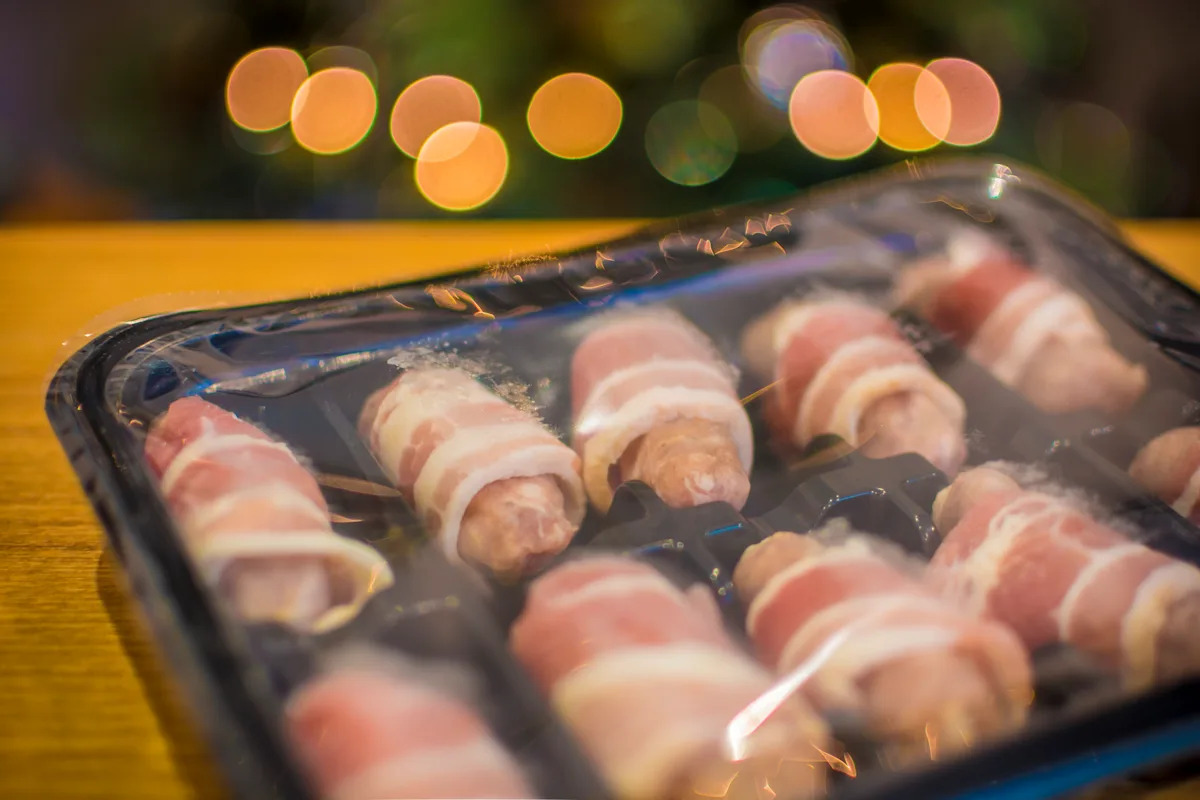
Trays used to cook Christmas items such as pigs in blankets or vol au vents are often recyclable, but will not be accepted if they are messy.
Dr Oludoye says: “Even when food packaging says it’s recyclable, it shouldn’t be placed in the bin if it’s greasy or contaminated.
“Items with food residue can cause an entire batch of recycling to be rejected. Common culprits include greasy pizza boxes, foil trays with stuck-on food and plastic film lids mixed in with rigid plastics.”
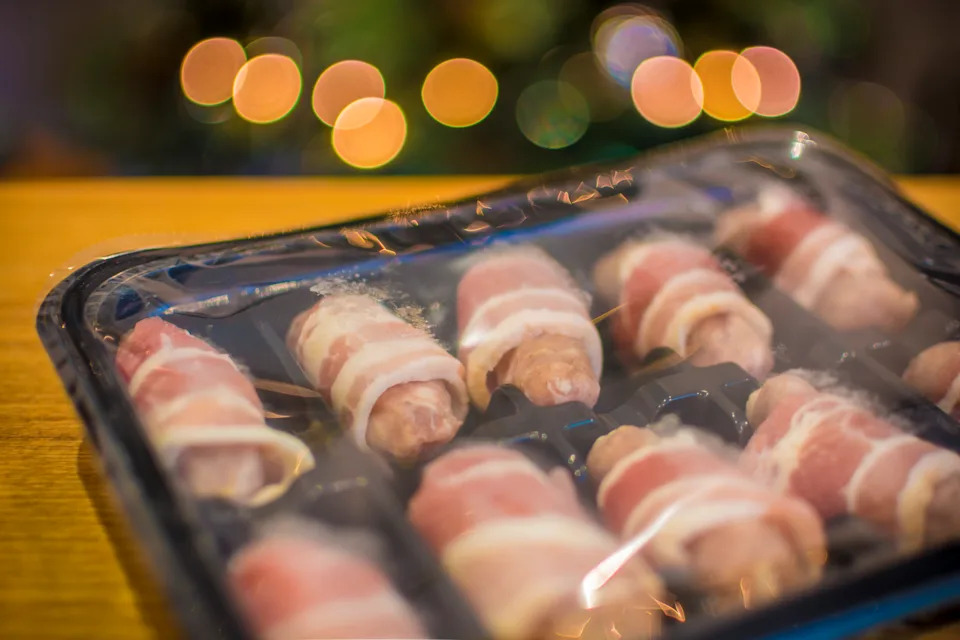
Food trays are not recyclable if they still have food waste on them. (Getty)
Recycling artificial Christmas trees
Artificial Christmas trees are made of mixed materials, and cannot go in household recycling, Dr Oludoye explains.
“As artificial trees are made from mixed plastics and metals, these can’t go in household recycling and should be taken to a specialist recycling centre if available,” says Dr Oludoye.
“The best way to make your artificial tree sustainable is reusing it for as many years as possible.”
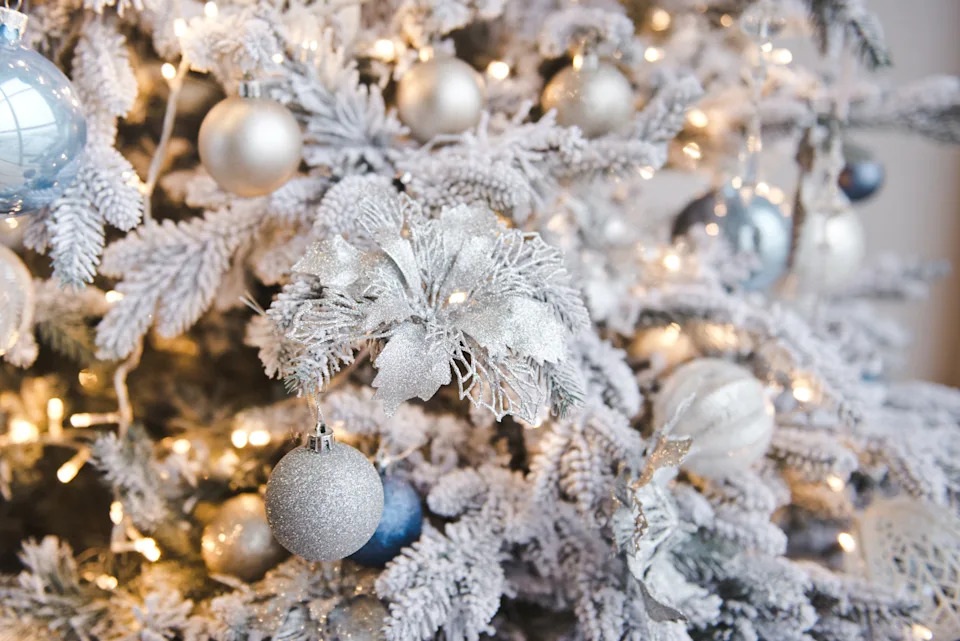
Artificial Christmas trees can’t be recycled because they contain mixed materials. (Getty)
Crackers and cards
Crackers and cards are mostly made of paper and card which is safe to put in the recycling bin, says Dr Oludoye.
But ensure that plastic components are removed before putting them in the bin.
“Just remember to remove anything non-recyclable first, such as plastic windows, foil, ribbons or small toys.”
Read more: