
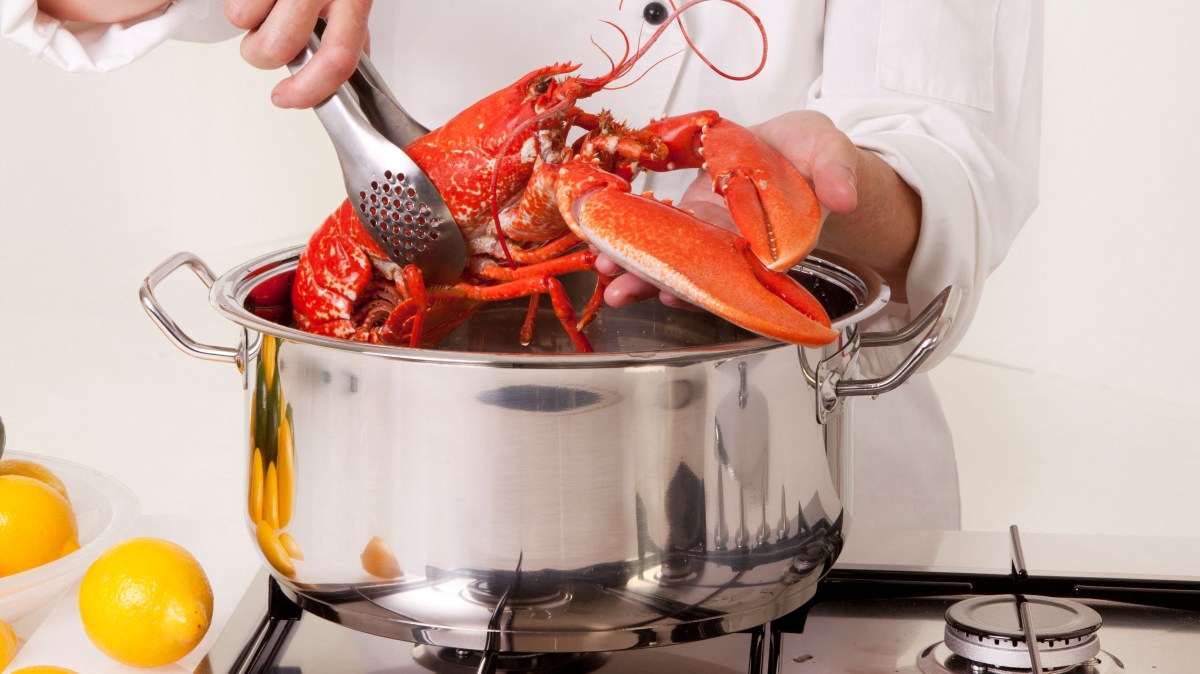
Boiling live lobsters and crabs will be banned by ministers under animal rights reforms.
In its animal welfare strategy, published on Monday, the government said that “live boiling is not an acceptable killing method”, while also setting out new farming standards and banning trail hunting.
The strategy, which sets out a series of protections for pets, farmed animals and wild animals, said the government would publish guidance on the best way to kill decapod crustaceans such as crabs, lobsters and prawns.
It comes after a new law under the previous Tory government declared the animals were sentient and capable of experiencing pain.
Other methods of dispatching shellfish include electrocution or freezing to stun them before boiling them. Suppliers and restaurateurs warned that electrical stunning devices cost about £3,500.
Robin Hancock, one of the co-founders of Wright Brothers, a leading seafood supplier which has three restaurants in London, said: “With hospitality rather on its knees they do cost over £3,500 per machine. They’re not that small either.
“So I think in summary, of course people care about animal welfare, it’s just the practicalities of it.”

Emma Reynolds
IAN DAVIDSON\ALAMY
Emma Reynolds, the environment secretary, said the UK was “a nation of animal lovers” and claimed the government is “delivering the most ambitious animal welfare strategy in a generation”.
Farmers warned that plans to scrap cages for chickens and pigs could threaten British farming if not matched by higher welfare standards for imported meat, as countries with lower standards could offer cheaper produce.
But No 10 did not rule out using tariffs to stop British farmers being undercut by foreign imports.
Tom Bradshaw, president of the National Farmers’ Union, told The Times: “Words are easy, but we know that the cost of living is something that is giving the government sleepless nights at the moment and I see the very real risk with the welfare strategy is that it’s going to drive up the cost of food production.”
The prime minister’s spokesman said on Monday: “We’ll always consider whether overseas products have an unfair advantage and are prepared to use the full range of powers at our disposal to ensure produce made here in the UK by our farmers is always the most viable option.”
Asked if that could include imposing tariffs, he said: “We always keep these under review and we’ll consider whether overseas products have an unfair advantage.”
Among the government’s plans for pet welfare is a consultation on banning shock collars amid worries they could be causing harm to pets. Dog breeders will be brought into a mandatory national register and puppy farming will end. New laws will ban “low-welfare” dogs and cats from being imported from overseas, while rescue and rehoming centres also faced new licensing rules.
Plans to improve welfare for farmed animals include moving away from using colony cages for laying hens and pig farrowing crates, as well as introducing more humane slaughter methods for farmed fish.
Using carbon dioxide to stun pigs will be banned, but there was no mention of non-stun slaughter, which remains legal under animal welfare laws as part of religious exemptions.
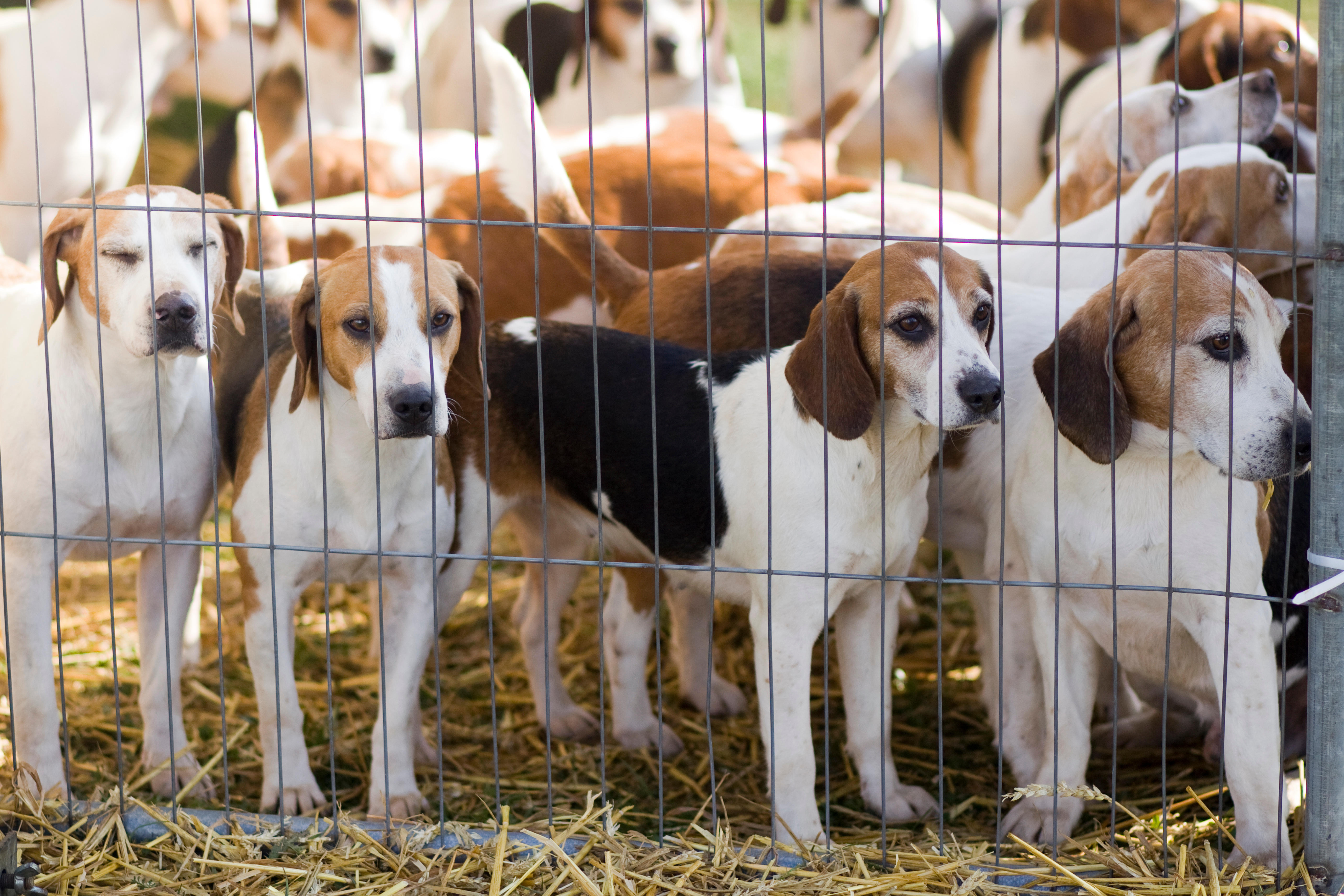
Puppy farming is going to end
ALAMY
UK law requires animals to be stunned before slaughter to minimise pain and suffering. However, there is a specific exemption that allows animals to be slaughtered without pre-stunning where this is required “by a religious rite” — to ensure food is either kosher or halal.
Wild animal protections include banning trail hunting and snare traps, and introducing a closed hunting season for hares.
In zoos and aquariums, the public will no longer be allowed to touch fish or octopuses, and anyone keeping a primate must meet “zoo-level” welfare standards.
Downing Street yesterday denied the strategy represented a “war on the countryside” and said: “We have said that we share the British public’s high regard for the countryside in lots of ways, whether it’s through farming or the animal welfare strategy.”
Bradshaw told The Times that farmers were not opposed to higher standards in principle, but argued that without protections at the border, reforms would shift production overseas.
“If we implement core standards and we make it illegal to sell food produced to lower standards, then that’s the real opportunity to safeguard our standards in this country and to make sure that there is a net improvement to animal welfare for all of the food consumed here,” he said.
Matt Bishop, the MP for Forest of Dean, said it was key the government “takes British farmers with us” in the reforms. He said he backed the measures but added: “If we’re asking them to meet higher standards, then it’s only fair that imported meat is produced to those same standards.”
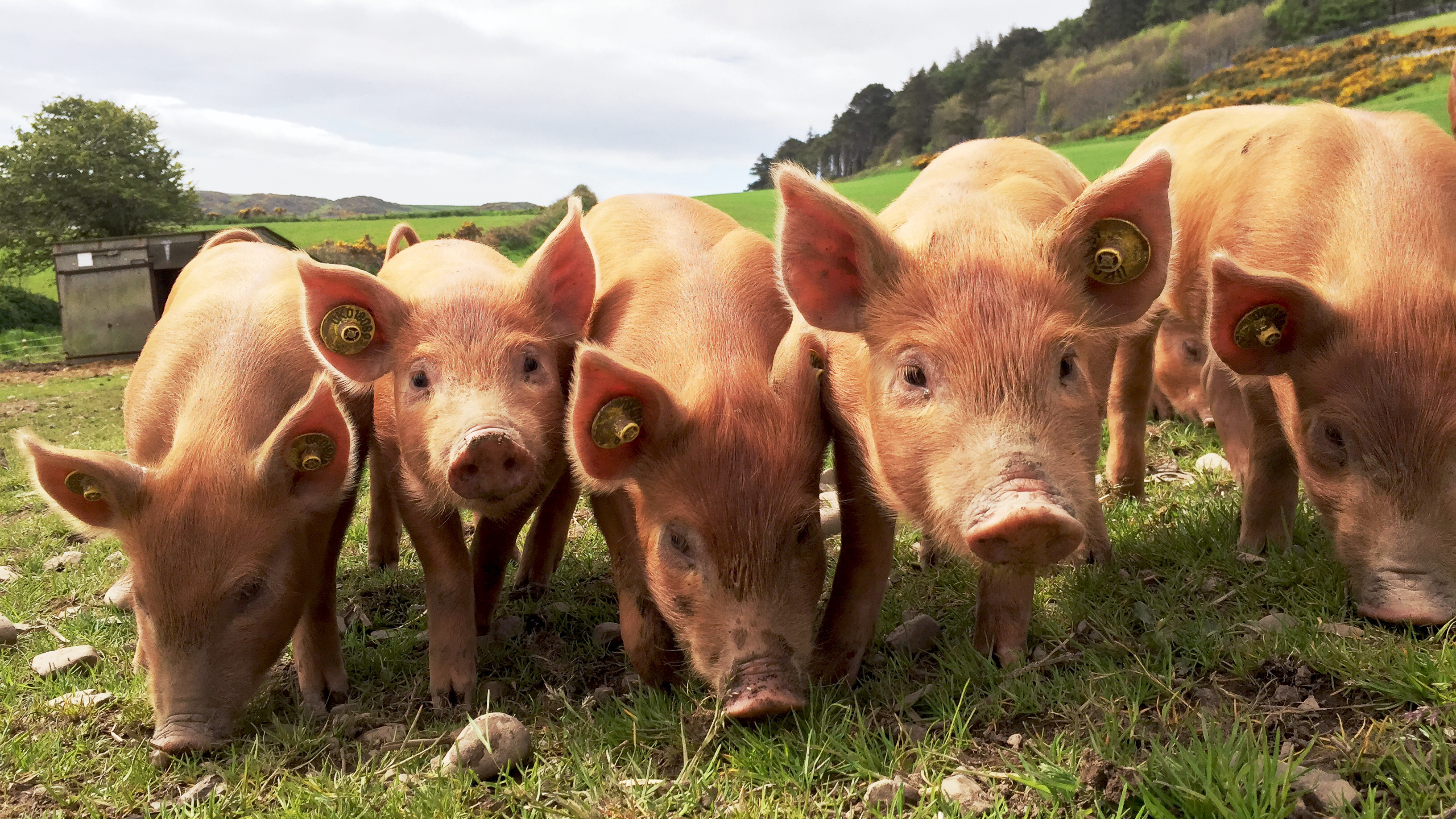
Using carbon dioxide to stun pigs will be banned
GETTY IMAGES
Perran Moon, the MP for Camborne & Redruth, said he was “fully supportive” of the strategy and added: “It’s just a question of how we work with the farming community to make sure that transition is as effective as it can possibly be.”
Terry Jermy, the MP for South West Norfolk, said: “There needs to be time for farmers to make the transition. We can’t expect farmers to have significant additional costs. We need to look at a way that it’s a partnership and a phased removal and I think the government strategy recognises that.”
The Conservatives, meanwhile, suggested the government had “snuck this announcement out just before Christmas to avoid scrutiny”.
Victoria Atkins, the shadow environment secretary, said: “While it is good to see the government taking forward Conservative policies to tackle puppy smuggling and livestock worrying, Labour is yet again favouring foreign farmers over British farmers by allowing substandard foreign imports to undercut our already-high welfare standards.
“Labour have snuck this announcement out just before Christmas to avoid scrutiny, because they know that this will be another hammer blow to farming profitability. Once again, they have shown that they simply don’t care about rural Britain.”
It was previously believed that boiling lobsters alive improved the flavour. This was based on the belief that a lobster which dies before cooking spoils instantly or that live boiling keeps the flesh firmer and sweeter.
However in recent years contemporary chefs have argued that the stress of boiling the lobster instead worsens the taste, and advocate instead pushing a knife through the lobster’s head before putting it in the water. Gordon Ramsay has been seen using this method.
Michael Caines, the chef-patron of Lympstone Manor and a holder of two Michelin stars for 18 consecutive years at Gidleigh Park, told The Times the ban on boiling lobsters would be a “hard one to enforce”.
“As in, how else are you going to be able to kill them humanely? Most of the chefs put a knife through the head anyway. And as for the police, well given the rise of shoplifting and the lack of arrests, then I think it might be a bit of a stretch to think that they will be arresting chefs for boiling lobster anytime soon.”