
In the week since the shooting, Australian Prime Minister Anthony Albanese has been accused by the Jewish community of not taking antisemitic threats seriously enough.
On Sunday, he was booed by sections of a crowd at a memorial event attended by tens of thousands of people.
He apologised to Jewish Australians and promised to “work every day” to protect them. He also proposed to push for new legislation against extremism and hate speech.
But Albanese may face an even greater problem as questions mount over the handling of intelligence on the alleged gunmen and whether it was thoroughly pursued.
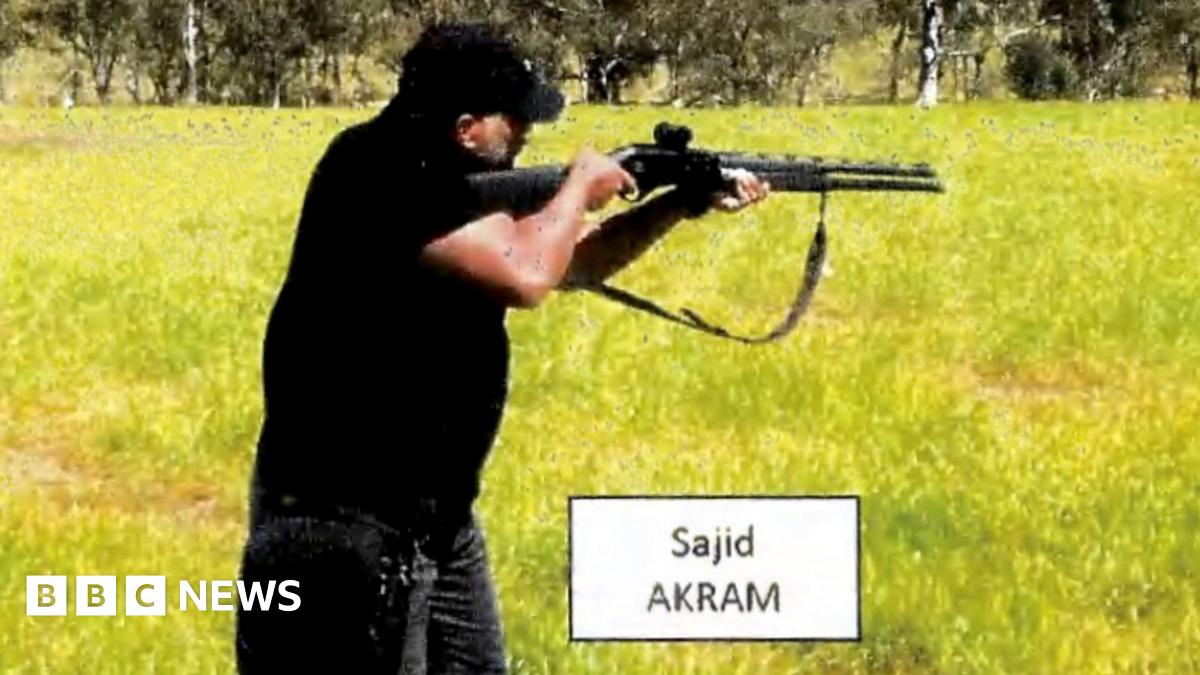
It was previously reported that Naveed Akram was investigated over ties to a Sydney-based IS terrorism cell.
Albanese had said he first came to the attention of the authorities in 2019, but an “assessment was made that there was no indication of any ongoing threat or threat of him engaging in violence”.
Additional questions are being asked as to why – in light of this previous investigation – the father and son were able to travel to the Philippines in the month before the attack, and how the father was able to buy guns. At a news conference on Monday, NSW Premier Chris Minns said he did not want to speculate and an investigation was ongoing.
There is also growing pressure for Albanese to call a Royal Commission, Australia’s highest level of public inquiry, into the Bondi terror attack, with calls coming from the Jewish community and MPs.
The attack has also sparked calls for tougher restrictions on gun ownership. On Monday, New South Wales state recalled its parliament to debate a raft of new gun and protest laws, proposed in the wake of the shooting.
Some civil rights groups and pro-gun advocates have raised concerns that the laws will place undue restrictions on firearms and protests.
Minns said some may feel the changes had “gone too far” but they were needed to keep the community safe.