
Multi-day cricket, mostly played with a red ball and occasionally with a pink ball, inevitably requires a different skillset to short-format cricket.
The red ball swings more, generating more movement in the air for bowlers.
It can also be shined, in comparison to the white ball which cannot, and quickly deteriorates.
Multi-day cricket requires execution of skills over a much longer period of time, bringing in a heightened necessity for fitness, focus and discipline.
It is played consistently throughout the men’s domestic summer, with all 18 men’s counties competing in the County Championship divisions.
However, as a female professional cricketer, unless playing in international fixtures, you will be unlikely to pick up any ball other than the white one.
Personally, as an opening bowler whose main skills are swinging the ball and consistency, it is easy to feel as though the longest format of cricket could be the one that I am best suited to.
The idea of playing red-ball cricket is one that appeals not only to myself, but to many of my team-mates.
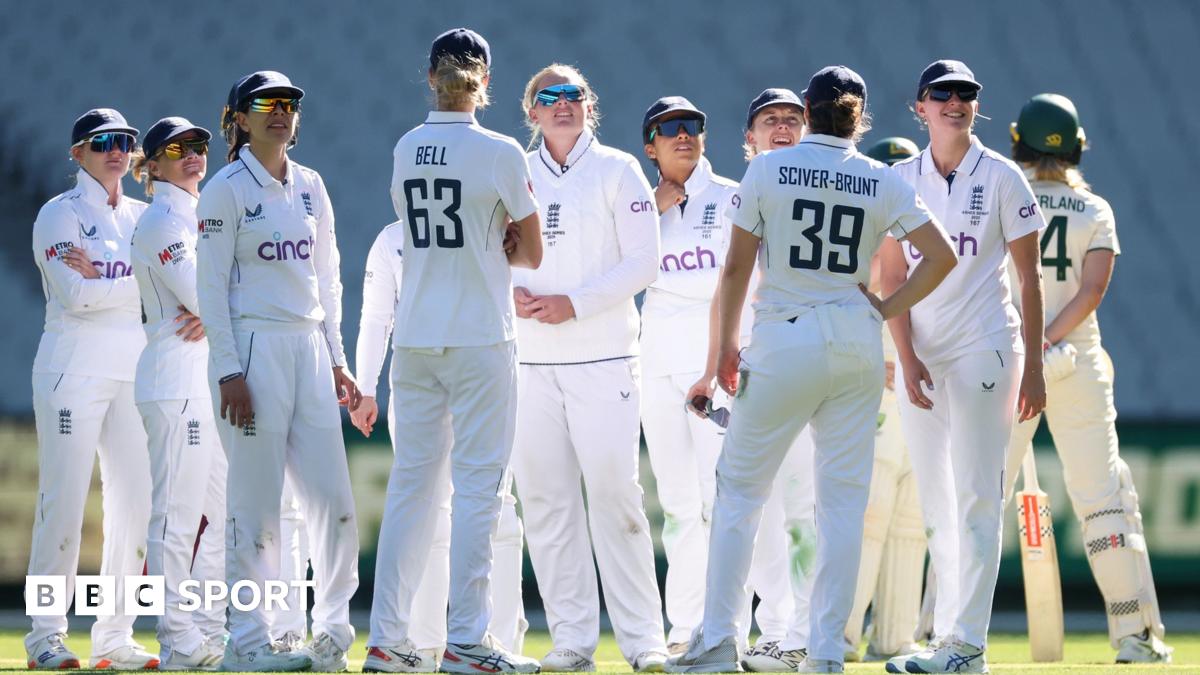
With no multi-day cricket being played in the women’s domestic sphere, the only avenue to compete in this format is by playing Test cricket for England.
How one may go about proving their ability and therefore getting selected to play Test cricket becomes very difficult when there is simply no red-ball cricket for women to play.
While Test cricket is still sparse in the women’s international calendar, England have still played at least one Test annually in recent years.
Selecting an international team in a format that domestic cricketers do not play seems not only difficult, but illogical.