
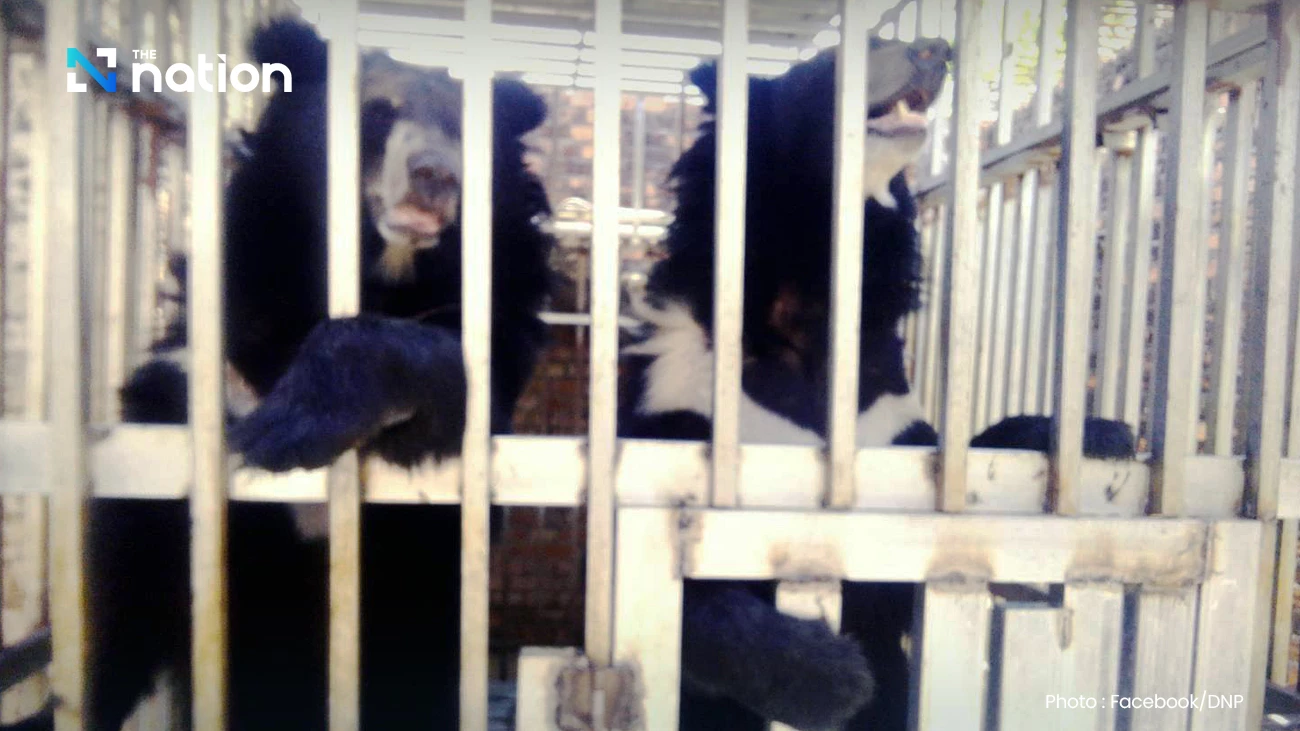
Atthapol Charoenchansa, Director-General of the DNP, said all five animals were found in a severely weakened condition — emaciated with ribs clearly visible — and were believed to have been deprived of water and food for an extended period, leaving them in a critical state.
After being alerted by the military, he ordered the wildlife conservation bureau to rush fully equipped teams to the site to assess the animals and move them immediately.
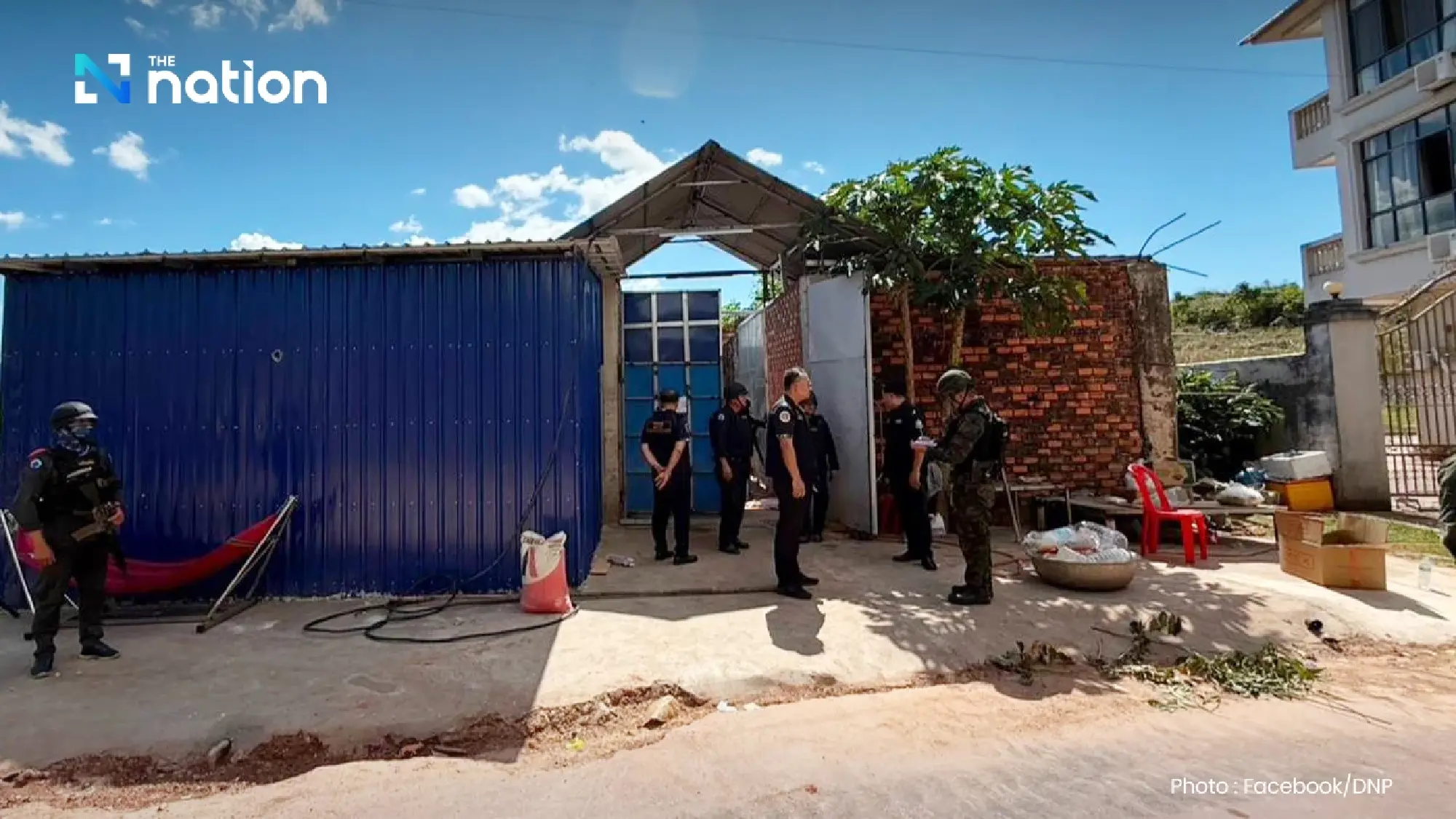
When officials arrived, they found what Atthapol described as a distressing scene: the male and female lions, the two bears and the sun bear were all in crisis condition, extremely thin with frightened expressions. Veterinarians had to plan the operation carefully because the animals were so weak that anaesthesia carried a high risk of cardiac arrest. Teams supported the animals with vitamins and monitored vital signs second by second throughout the operation.
The relocation was carried out under intense time pressure. More than 20 soldiers and park officials worked together to carry the cages out of the danger zone, struggling with limited routes in the border area and racing to reduce stress on the animals as quickly as possible.
The transport convoy has now left the area. The bears were sent to recover at the Bang Lamung Wildlife Breeding Station in Chon Buri, while the pair of lions were taken to the Khao Son Wildlife Breeding Station in Ratchaburi.
Officials said all five animals were expected to reach their new facilities safely by 2am on December 22. The DNP has arranged veterinary teams at both stations to take over care and begin full rehabilitation.