

In the rangelands beneath Kilimanjaro, coexistence between people and wildlife has never been a simple matter. Livestock wander into the paths of lions. Farmers lose cattle they can scarcely afford to lose. Retaliation follows, and with it the slow unraveling of ecosystems that depend on predators to stay whole. Local conservation groups have long understood that progress depends not on fences or warnings, but on trust. And trust depends on people who can speak across the fault lines of culture, history and daily survival.
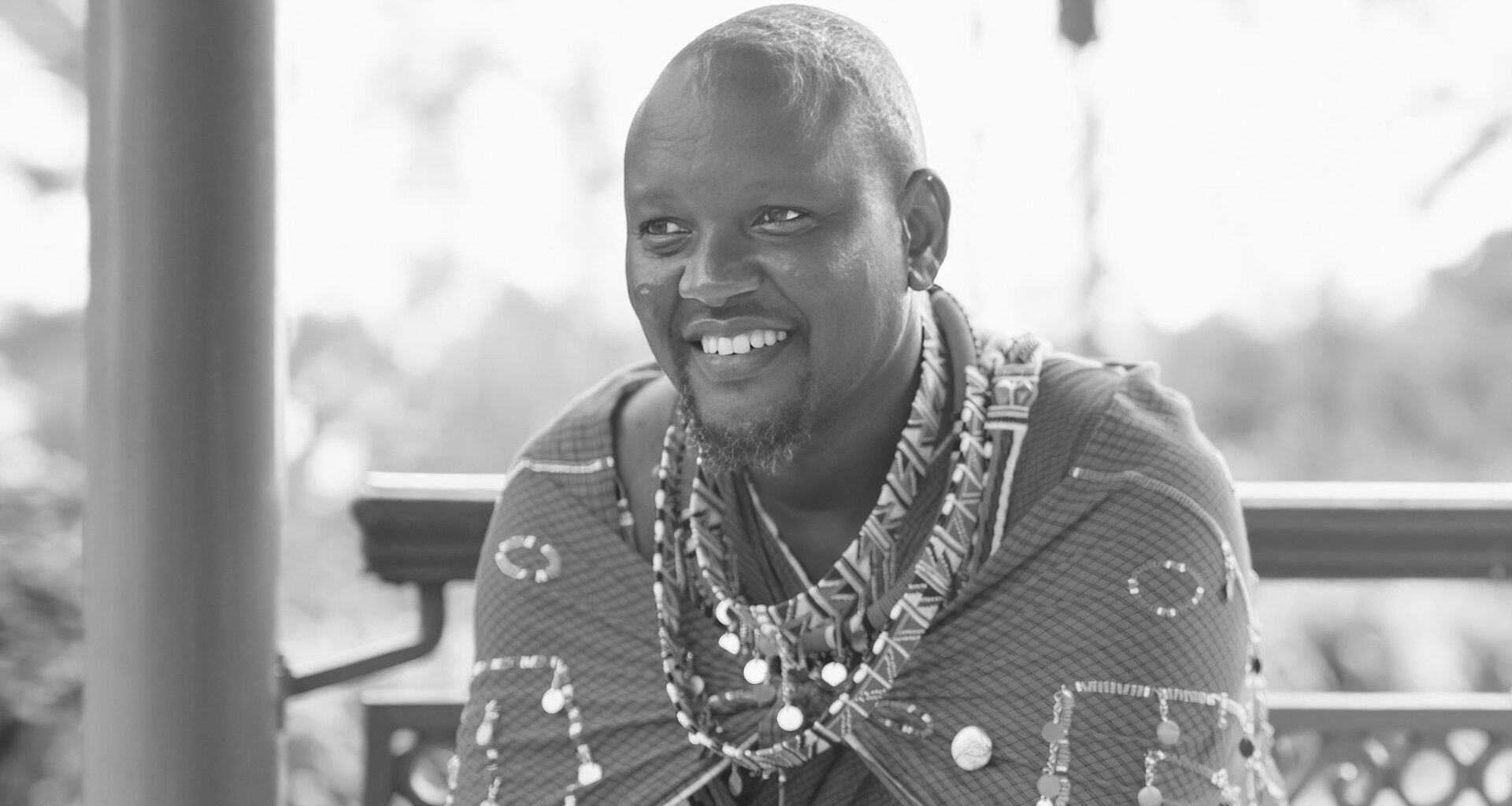
One such figure held that space with unusual steadiness. Daniel Ole Sambu, who died earlier in December at age 51, spent years trying to keep the peace in a landscape where peace was fragile. As the program coordinator for the Predator Compensation Fund run by the Big Life Foundation, he helped design and manage a bargain that only works when everyone believes in it. If a family lost livestock to a predator, they would be compensated. In return, they would not kill the animal. It sounds simple. In practice, it required patient negotiation, long days in homesteads and constant reminders that the health of the ecosystem and the well-being of pastoralists were inseparable.
His influence came not from authority but from the confidence of someone rooted in the place he served. He grew up in the broad Amboseli ecosystem and never forgot what it meant to live with wildlife close at hand.
His work extended well beyond compensation forms and field visits. He spent years strengthening ranger welfare across Kenya, eventually becoming the interim chair of the Wildlife Conservancy Rangers Association. That role suited him. Rangers trusted him. He understood the risks they faced and pushed for better conditions without posturing. It mattered to him that rangers felt seen, supported and connected to one another. Conservation, he liked to say, was carried on human shoulders.
He had a way of explaining difficult ideas with clarity and without judgment, his friends said. On school visits abroad, children sometimes asked awkward questions. He answered them with humor and candor. When discussing changes within Maasai culture, he once remarked, “If the Maasai are able to change parts of their culture for a good cause, like protecting lions, then maybe it’s also possible for [others] to change parts of their culture.” That line captured something essential about him: a belief that change was possible, and that moral responsibility belonged to everyone.
His death has been felt deeply by the communities and institutions he served. Yet the approach he championed remains in place. Many of the practices he helped shape continue, as communities meet and work through difficult questions in their own ways. That persistence is its own kind of tribute. It suggests that the fragile balance he spent years tending may hold, not because he is gone, but because he convinced others it was worth protecting.
Banner image: of Daniel Ole Sambu courtesy of Big Life Foundation
