
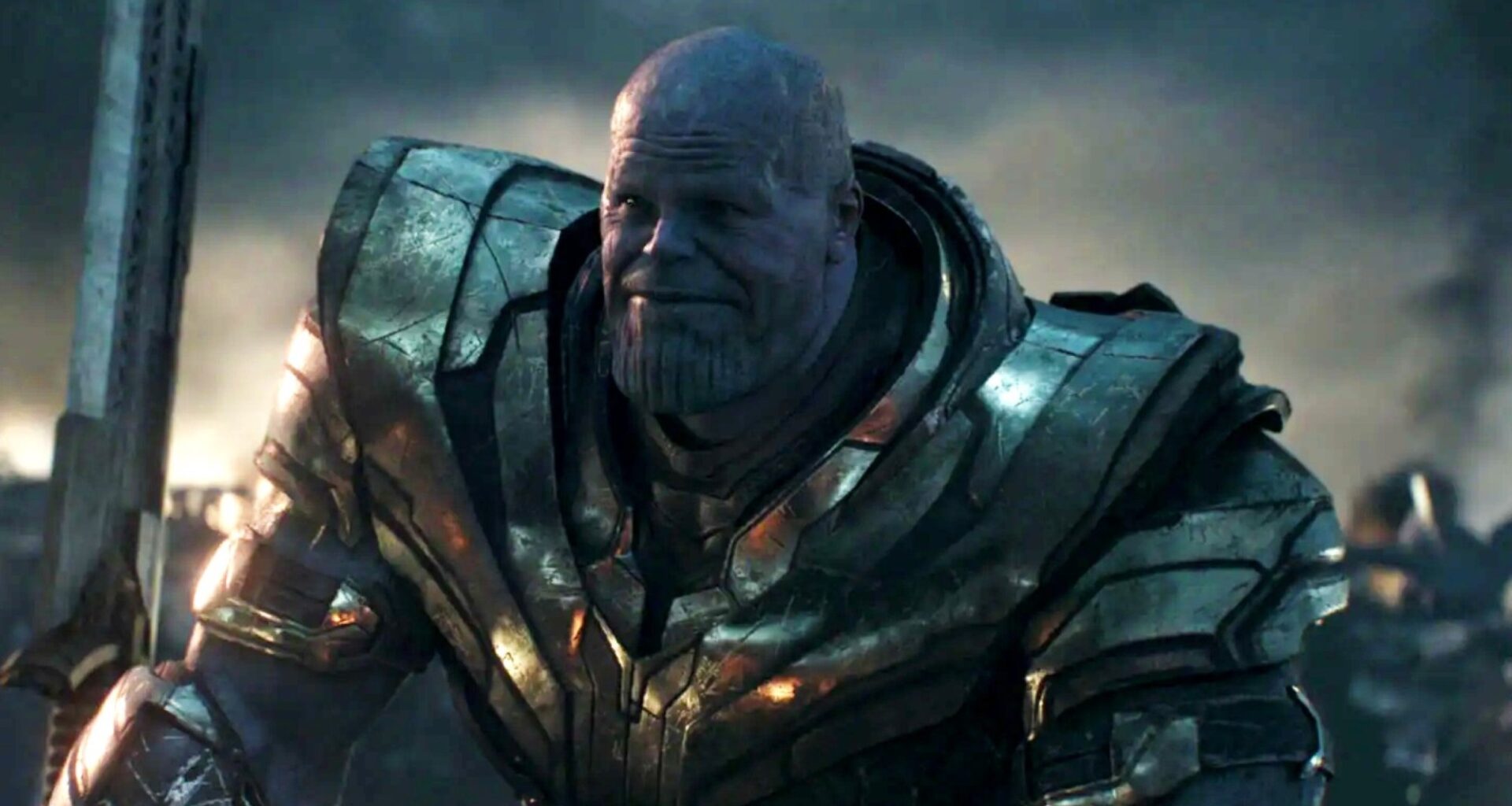
When Avengers: Endgame premiered in 2019, the Marvel Cinematic Universe felt like an invulnerable force in pop culture. After spending 11 years developing an unprecedented shared cinematic universe, Marvel finally delivered the grand finale it had been building towards, pitting Earth’s Mightiest Heroes and their assorted allies against Thanos in the ultimate battle to decide the fate of the world. Of course, Endgame marked the Avengers’ second stab at defeating Thanos, after the Mad Titan accomplished his goal of wiping out half of all life at the end of Avengers: Infinity War. The Avengers spend most of Endgame attempting to undo Thanos’ actions before coming face to face with the villain again.
As Iron Man, Captain America, and Thor approach Thanos to “kill him properly this time,” Thanos mocks his opponents and the situation they find themselves in. “You could not live with your own failure,” Thanos says, alluding to the Avengers’ tragic defeat in Infinity War. “Where did that bring you? Back to me.” It’s a great quote that serves as the perfect summation of the Endgame plot, but now that the countdown to Avengers: Doomsday has started, it unfortunately has taken on a different meaning — one that’s more meta and relates to the state of the MCU itself.
Marvel Could Not Live With Its Own Failures Post-Endgame

After Endgame broke box office records and earned widespread praise from critics and fans, Marvel could seemingly do no wrong. With the franchise bidding farewell to Tony Stark and Steve Rogers, it was clear the MCU was about to enter a transition period, but Marvel had built up so much goodwill over the previous decade that fans couldn’t help but be excited about what the future had in store. Yes, it was sad to see characters like Black Widow and Iron Man meet their ultimate ends, but Marvel lore is full of so many fan-favorite heroes that it was time to see a new group take the lead.
Unfortunately, that didn’t really happen. In the post-Infinity Saga era, Marvel has struggled to establish a new status quo. The studio’s brand is no longer synonymous with quality like it was during its 2010s heyday. Sure, some Infinity Saga installments were better than others, but audiences could confidently feel like they were about to watch an entertaining blockbuster movie whenever they sat down for the latest release. Now, the track record isn’t nearly as pristine. While the Multiverse Saga has produced some notable hits, there are just as many projects that have underwhelmed. Some of this can be traced back to the mandate to deliver as much content as possible for then-new streaming service Disney+, which spread Marvel too thin. The MCU put out too much too soon.
The overabundance of new movies and TV shows made it difficult for even the most dedicated Marvel fans to keep up with everything (there’s a reason why Kevin Feige wants to scale back output moving forward). Plus, the sheer amount of releases meant it was hard to tell what was truly important in the grand scheme of things. In the Multiverse Saga, each film felt vital since there was a focused, overarching story about the Infinity Stones going on. In the Multiverse Saga, Marvel reached out in too many different directions, and for the first time, some MCU projects felt disposable. This, in turn, led to diminished returns at the box office. General audiences became more selective about the Marvel movies they came out in full force for. Spider-Man and Deadpool broke records. The Thunderbolts and Captain America disappointed.
Now, as Marvel looks to wrap up the Multiverse Saga, it no longer has a sturdy foundation to build on. Whereas the original six Avengers anchored the Infinity Saga, there’s no core team of characters that has clicked with audiences in the 2020s. Some of the newcomers failed to resonate and starred in box office bombs, and even the ones that did achieve some success were severely underutilized (Shang-Chi). In an attempt to make up for these shortcomings and recapture audiences’ attention, Marvel is trying to bring back the glory years. The first Avengers: Doomsday teaser confirmed Chris Evans is reprising Steve Rogers, joining his old co-stars Chris Hemsworth and Robert Downey Jr. (who’s now playing Doctor Doom). History has shown nostalgia can be a very effective tool, but is this what’s best for Marvel moving forward?
Returning Marvel Stars May Be Good for Doomsday, but Bad for the MCU Long-Term
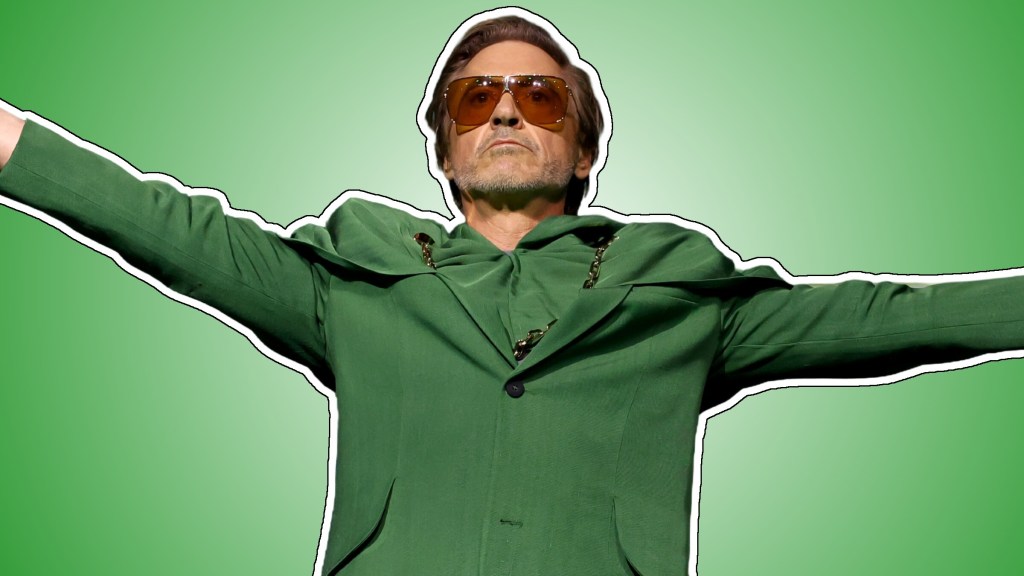
Well before Evans’ return was confirmed, Doomsday was already shaping up to be a course-correction play. Looking to quickly pivot away from the Kang the Conqueror storyline (which was floundering prior to the Jonathan Majors verdict), Marvel boldly brought back directors Joe and Anthony Russo to land the Multiverse Saga plane with Doomsday and Avengers: Secret Wars. The bigger piece of news, of course, was Downey’s casting as Doctor Doom. The reveal of Downey at San Diego Comic-Con 2024 was an exciting moment, but it was also an admission of failure on Marvel’s part. They tried to follow up the Infinity Saga with another epic, multi-project tale and fell short of the goal. With interest in the MCU waning, they had to go back to the big guns.
In the short term, this should work. The MCU is in a very different place than it was six years ago, but the Infinity Saga era remains beloved and iconic. Evans and Downey are fan favorites for a reason, meaning moviegoers should be excited to see them back in a Marvel movie. Making both actors a meaningful part of the marketing campaign should create a sense of palpable anticipation for Doomsday, which in turn will help the film’s box office prospects. As an Avengers movie releasing over the holiday season, Doomsday is poised to be a massive draw, but the presence of MCU legacy actors gives it an element that could make it rival (or even surpass) some of Marvel’s highest-grossing movies to date.
The bigger question is whether or not this is what’s best for the MCU long-term. Film franchises need to evolve as time goes on to remain fresh and interesting, and pulling off an Avengers movie without any members of the old guard would have been a monumental step forward for Marvel. That would have been proof that Marvel doesn’t need the likes of Evans, Downey, and Hemsworth to make a successful Avengers film and that the new characters are more than enough to generate fan interest. It will undeniably be fun to see these old faces again, but their return makes it all the more difficult for Marvel to move on. The Steve Rogers Doomsday teaser highlights Marvel feels they can’t do this without the classic veterans — which doesn’t bode well for the MCU moving forward.
Doomsday‘s nostalgia play arguably makes it harder for fans to trust Marvel as a new era begins. The MCU already failed once to turn the page from Evans and Downey, so how much confidence should moviegoers have that the second time will be the charm? Scaling back on output should definitely help matters, but it won’t matter how few movies and shows Marvel releases annually if they aren’t good. There needs to be a focus on not just quality but also establishing a core group of characters that will serve as the foundation for the franchise after Secret Wars (the X-Men reboot will be huge in this regard). Nobody is expecting Marvel to instantly replicate Endgame right away. That’s an unreasonable expectation. But the MCU can’t keep turning to Downey and Evans whenever something goes awry. They can’t keep doing this until they’re 90, so the onus is on Marvel to figure out the right path forward after Secret Wars resets things.
What do you think? Leave a comment below and join the conversation now in the ComicBook Forum!