
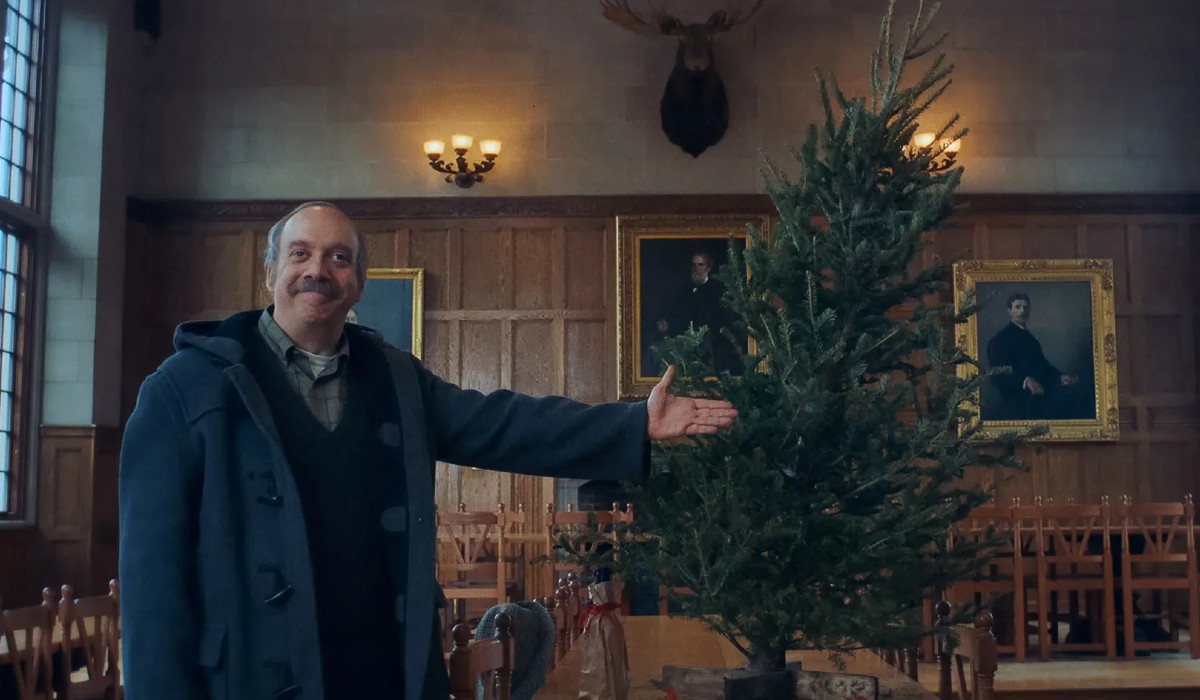
Mark D Smith offers his selection of films worth watching over the Christmas period
Nickel Boys (2024)
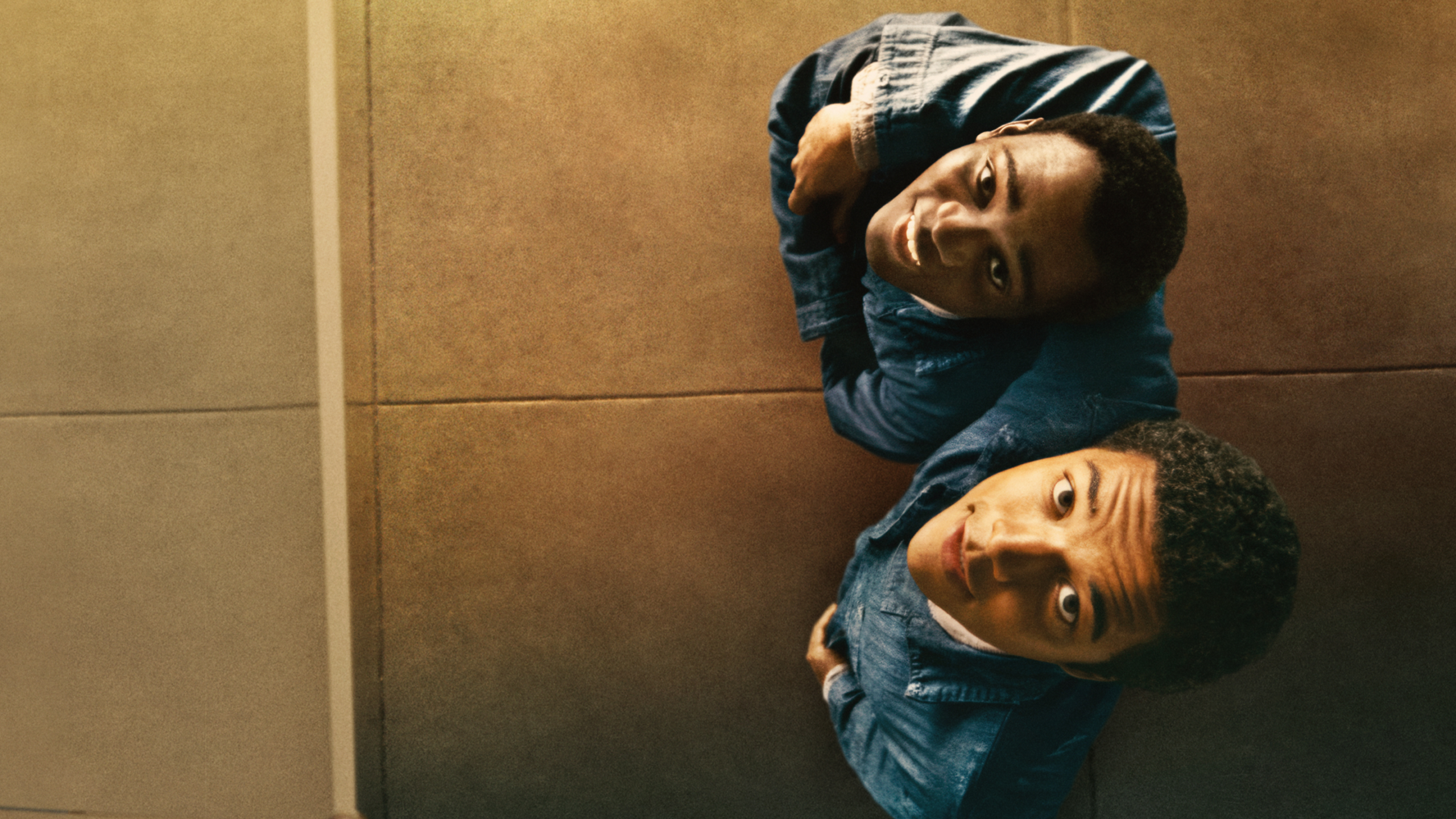
Based on Colson Whitehead’s historical novel which itself was derived from the real-life Dozier School for Boys, a notorious state-run borstal in the US state of Florida. This was as brutally Jim Crow racist as you might imagine, but this extraordinary film sidesteps the pitfalls of grief-fest with its fragmentary and allusive presentation of memory and trauma. All is seen through the subjective eyes of its two protagonists: Elwood and Turner. Neither are heroes or perfect victims in this film; their fight for survival is their triumph. The institution it was depicting was only closed in 2011.
‘Nickel Boys remains a dizzyingly accomplished, dense, and searing diatribe on the dissociation inflicted upon the oppressed by institutional violence, the ways American society dehumanises and anonymises black men as disposable martyrs. It is also, by mere fact of its release, a monumentally inspiring cinematic feat.’
Available on Prime Video.
The Holdovers (2023)
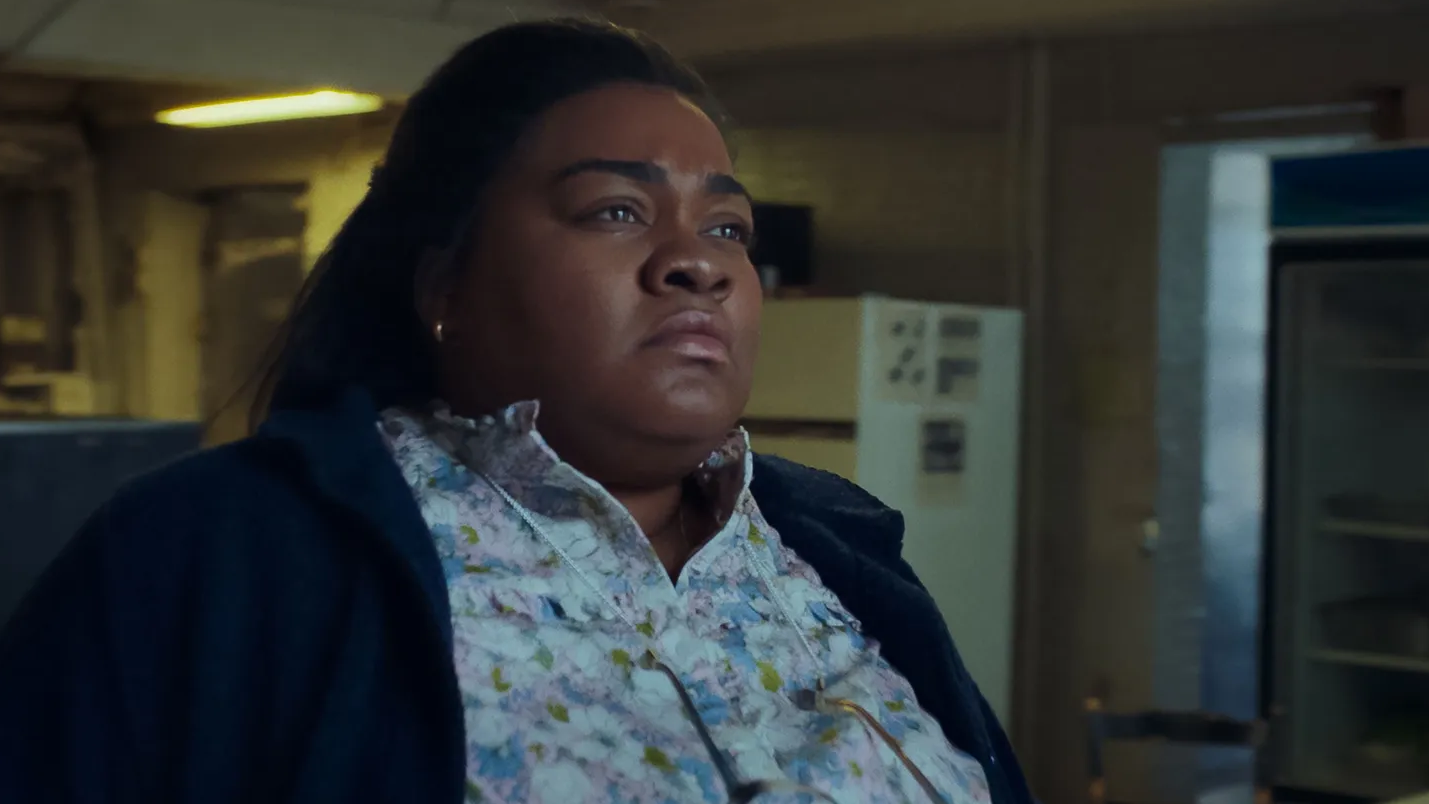
The ‘holdovers’ refers to those held over the Xmas and new year holiday period at a posh New England private school. But these three, teacher Paul, student Angus and canteen manager Mary, are held over from life more generally. Alexander Payne’s gem of a film has the feel of something lost and rediscovered from the 1970s, the era in which it’s set. A sharp script and exceptional performances are finely honed in this wholly satisfying comedy-drama.
‘Peer beyond the perfectly satisfying Christmas-movie surface, and “The Holdovers” is a film about class and race, grief and resentment, opportunity and entitlement. It’s that rare exception to the oft-heard complaint that “they don’t make ’em like they used to”.’
Available on Netflix.
Night of the 12th (2022)

There’s only so much yuletide cheer anyone can take, and thankfully French-German director Dominik Moll provides a healthy digestif in the form of this 2022 slow-burn thriller. A granular urban crime procedural set in Grenoble that disrupts enough of the conventions of the genre to critique institutional sexism and femicide more specifically. Tense and absorbing, the film compels with its classically European atmospherics.
‘The film’s refusal to tie up loose ends has already inspired comparisons to Bong Joon Ho’s “Memories of Murder” and David Fincher’s “Zodiac,” two of modern cinema’s great cold-case classics. Moll’s movie doesn’t leave behind the same deep, implacable chill of those earlier works, but its lingering rage and sorrow are no less easy to wave aside.’
Available on Channel 4 catch-up.
Paddington 2 (2017)
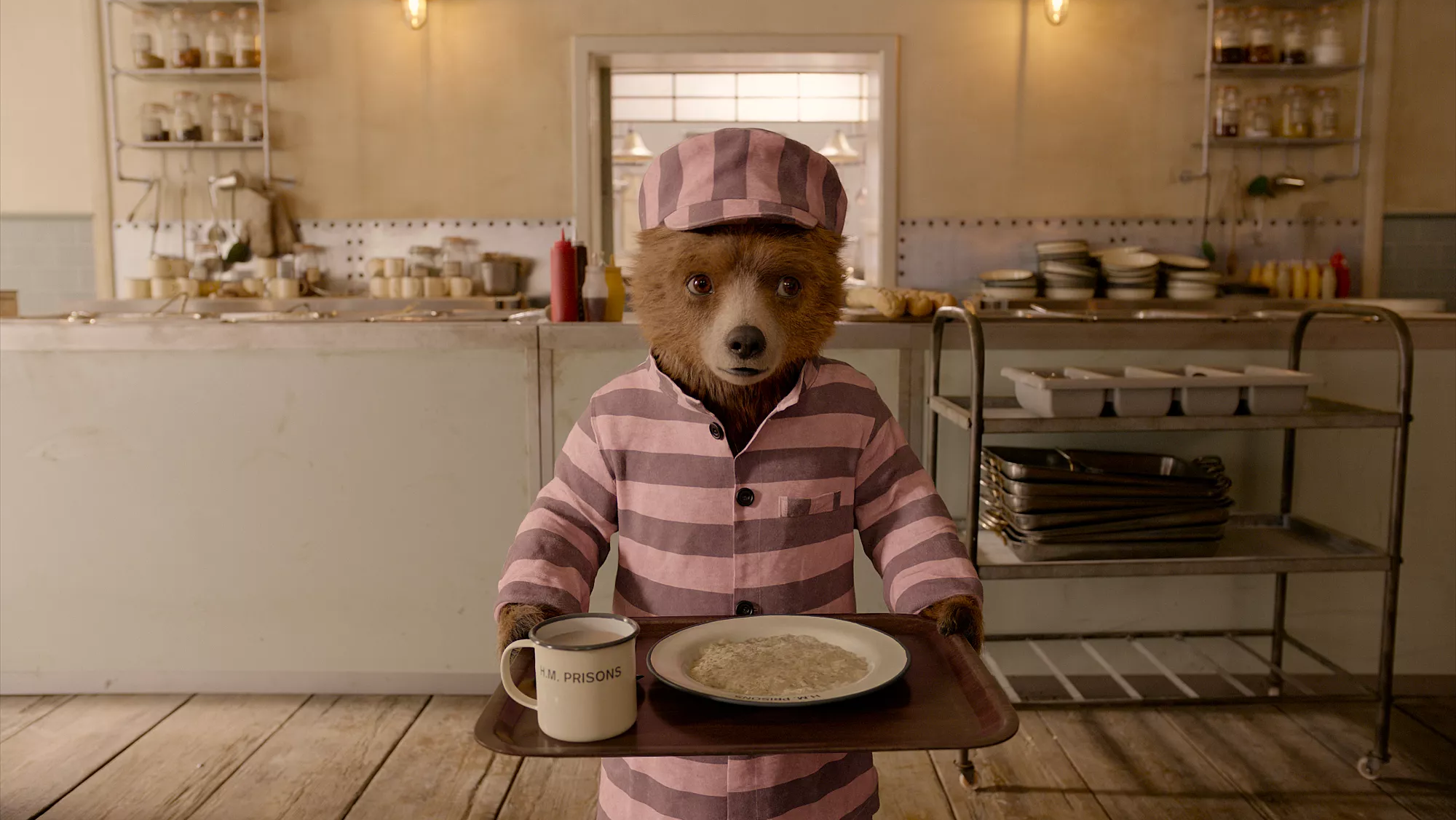
Be reassured that you don’t need to have seen Paddington 1 to enjoy Paddington 2. Paddington is a Peruvian teddy bear with a penchant for duffle coats and marmalade sandwiches. Creator Michael Bond’s real-life inspiration for his enduring and beloved character were Jewish refugee children and London evacuees. Dispossession and acceptance are central themes here, not ‘woke’ add-ons. But the secret sauce in this modern classic is not the endearing South American every-bear, but the villainous Phoenix Buchanan played by Hugh Grant. Paddington 2 is pitch perfect.
‘Both 2015’s Paddington and now its sequel, Paddington 2, embody a kind of extreme empathy. They have their moments of spectacle — laugh-out-loud sight gags and genuinely exciting set pieces — but they’re also dominated by an overwhelming sense of kindness. They make us yearn to be better humans rather than badder badasses, and in today’s world, that feels downright radical.”
Broadcast on BBC1 on Boxing Day at 17:20 and available on BBC iPlayer.
Memoria (2021)

Thai auteur Apichatpong Weerasethakul’s English-speaking feature centres on Jessica (Tilda Swinton), a Scottish woman living in Colombia, investigating a mysterious sound ruining her sleep. Her quest for resolution takes her through a series of landscapes and soundscapes invoking personal and collective memory. A bewitching piece of slow cinema developing Weerasethakul’s core themes of the interplay between dreams and nature ideal for that strange period between Christmas and new year.
‘Graced by Tilda Swinton’s emptied-out performance as a woman haunted by a strange sound whose origins she is obsessed with uncovering, Memoria eludes easy categorisation while becoming a powerful meditation on connection, spiritual isolation and renewal.’
Available on Channel 4 catch-up.
Coriolanus (2011)

Arch thespian Ralph Fiennes made his directorial debut with this bloody transposition of the Bard’s most action-packed tragedy. Shot in Serbia, the film’s stellar cast (Jessica Chastain, Brian Cox, Vanessa Redgrave, Gerard Butler) jolt the adaptation from any dusty staginess to bring the themes of war and populism to vivid attention. Fiennes’ direction is clear and intense, but heavily reliant on cinematographer Barry Ackroyd’s visceral realism. Ackroyd cut his teeth with Ken Loach and it shows.
‘Coriolanus deserves to be seen, however, especially among those who enjoy Shakespeare without considering themselves purists. It’s violent, bloody, fast-paced, and powerfully acted.’
Available on BBC iPlayer.
The Lady Eve (1941)

The Lady Eve is a classic screwball comedy starring the peerless Barbara Stanwyck and Henry Fonda. It is written and directed by Preston Sturges and is about a con artist who falls for her wealthy quarry only to get embroiled in a twisty battle of wits. Love triumphs over deception, or does it? The Lady Eve is a masterclass in film construction.
‘A frivolous masterpiece. Like Bringing Up Baby, The Lady Eve is a mixture of visual and verbal slapstick, and of high artifice and pratfalls.’
Available on YouTube.
Marcel the Shell with Shoes On (2021)

A mockumentary for children of all ages, it tells the story of the eponymous and anthropomorphised Marcel, a shell who lives with his grandmother, Connie. Referencing Airbnb and YouTube, but utilising old-school stop-motion film techniques, Marcel demonstrates you don’t need Pixar-level budgets to deliver funny, poignant and absorbing animation. Despite being a shell, Marcel has much to teach the world.
‘Funny, profound, weird, sad, and gorgeously constructed — Marcel is a true original, liable to melt even the most cynical heart. A very special shell indeed.’
Broadcast on BBC1 on New Year’s Eve at 9:35 and then available on BBC iPlayer.
Train Dreams (2025)
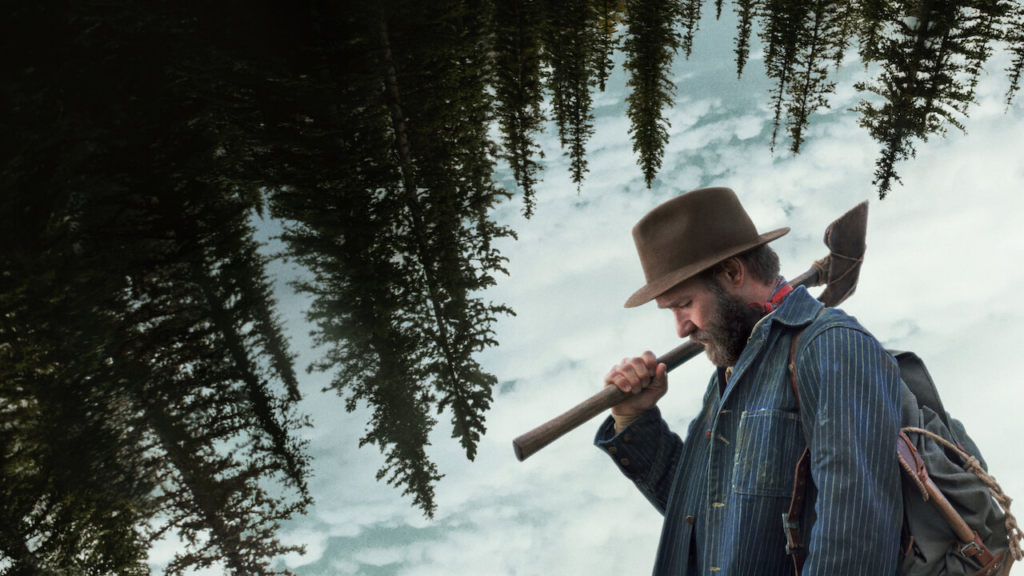
Based on Denis Johnson’s novella, it follows the eighty-year life of Robert Grainier (a career-best performance from Joel Edgerton), a railroad worker in the early twentieth-century Northwest Pacific. A personal life typified by relentless slog and familial loss is set against a US undergoing world-historic change. The spirit of Terrence Malick resides heavily here with its focus on nature, visual poetics and use of voiceover narration.
‘Train Dreams is a peach of a picture. At once miniaturist yet epic, it’s an exquisite film that touches on every human emotion – agony, ecstasy, discovery, surprise, togetherness, loneliness – without contrivance or strain. One of the loveliest 102 minutes you’ll spend this year – all human life is here, beautifully rendered.’
Available on Netflix.
Spider-Man: Across the Spider-Verse (2023)

Groundbreaking and breathtaking, Across the Spider-Verse picks up from its 2018 predecessor Into the Spider-Verse with Brooklyn-based Miles Morales, traveling across the multiverse, encountering a new team of Spider-People from different dimensions. But when the allies clash over how to deal with a new threat, The Spot, Miles comes up against a classic hero’s dilemma. Visually dazzling, there is no skimping on character development particularly with Gwen Stacey (voiced by Hailee Steinfeld).
‘The sequel has everything that made the first film so special, but most thrillingly, it puts away childish things. There’s moral ambiguity, meaningful stakes and commentary on race, capitalism and the state of cinema that have matured alongside its protagonist.’
Broadcast on BBC1 at 14:55 on Christmas Eve and then on BBC iPlayer.
Che: Part One (2008)
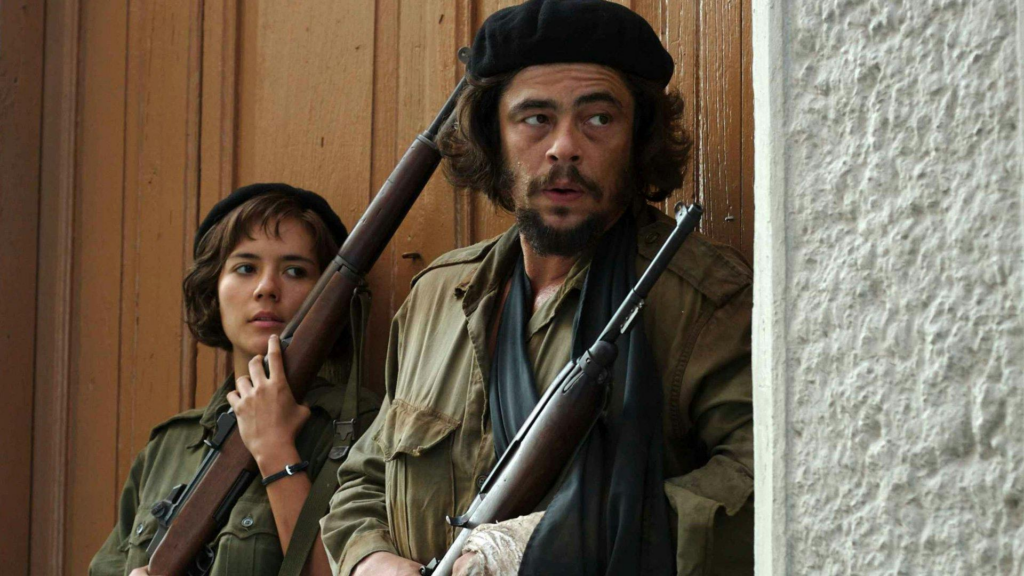
Steven Soderbergh’s 2008 biopic casts Benicio del Toro as the eponymous doctor-turned-revolutionary. This section of the film (The Argentine) depicts the insurrection in a set of flashbacks between the 26 July Movement of the mid-1950s and Guevera addressing the United Nations in 1964. Soderbergh eschews many of the histrionics associated with the biopic in favour of outdoor digital photography that gets down and dirty with the necessities of guerrilla warfare. This commitment to authenticity has cemented the film’s longevity.
‘Che looks dazzling, whether the camera is weaving through a battle or trying to bore into Che’s haunted soul. Del Toro stands up to Soderbergh’s relentless scrutiny. As for the movie, it’s a reward to audiences eager to break from the play-it-safe pack. Game on.’
Available on Prime Video.
Blue Velvet (1986)
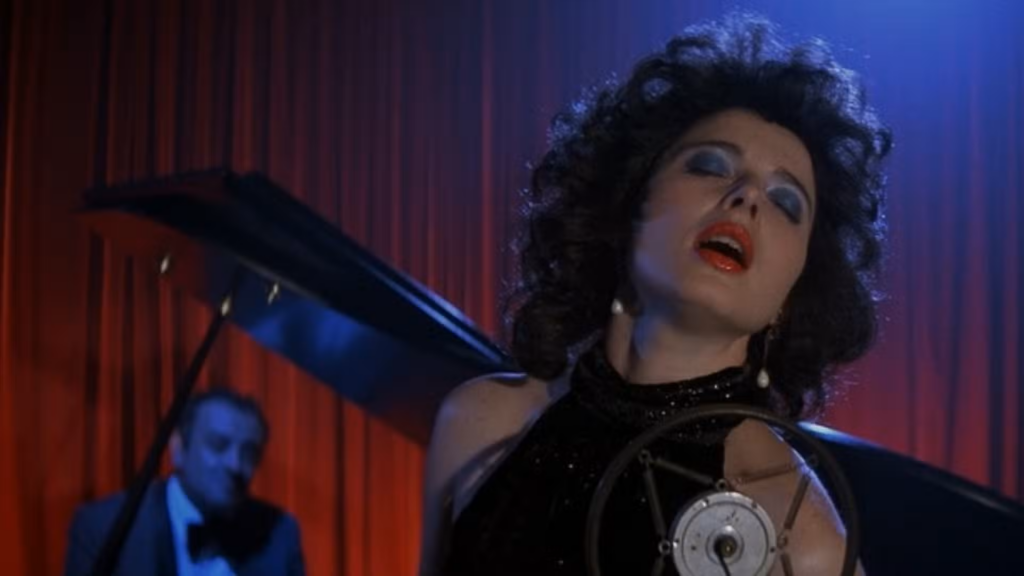
The late David Lynch’s signature film is now a thoroughbred classic. Part Babes-in-the-Wood, part neo-noir mystery, it begins with a severed ear and proceeds to unpick US suburban normativity: a forensic delight. Three of Lynch’s key collaborative relationships were forged here (Laura Dern, Kyle MacLachlan and the composer Angelo Badalamenti) as well as relaunching the career of sixties icon Dennis Hopper as horrific genital-monster Frank Booth. Nearly forty years old, Blue Velvet doesn’t feel like a period piece, and it remains unique in its capturing of the intoxicating power of popular music.
‘If audiences walk away from this subversive, surreal shocker not fully understanding the story, they might also walk away with a deeper perception of the potential of film storytelling.’
Broadcast on BBC2 on Saturday 27 December at 00:55 and then available on BBC iPlayer.
Before you go
The ongoing genocide in Gaza, Starmer’s austerity and the danger of a resurgent far right demonstrate the urgent need for socialist organisation and ideas. Counterfire has been central to the Palestine revolt and we are committed to building mass, united movements of resistance. Become a member today and join the fightback.