
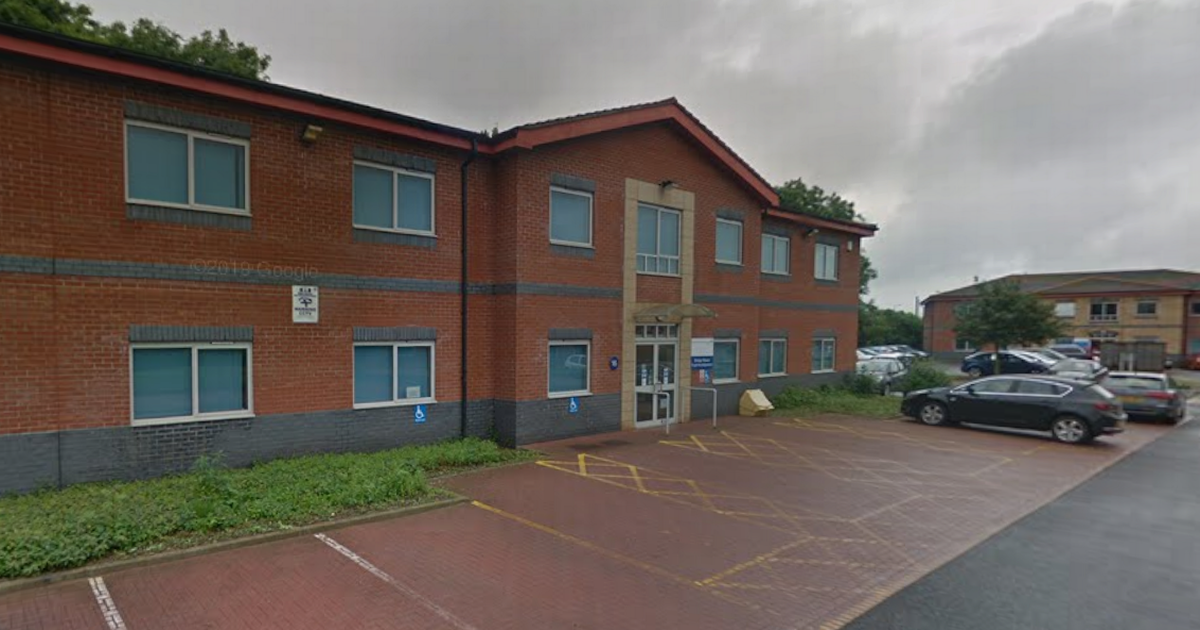
Health bosses have defended the changes and argue that they’re working hard to improve access to services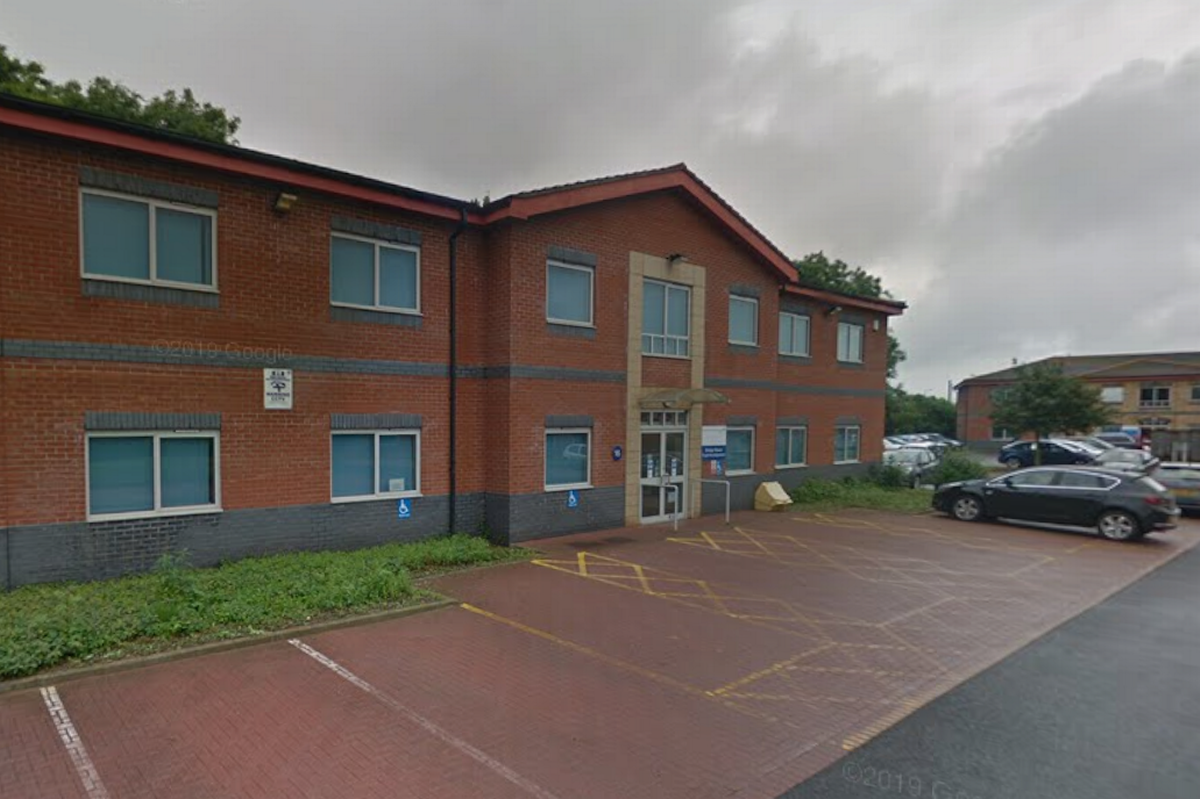 The NHS Lincolnshire Integrated Care Board headquarters at Bridge House in Sleaford(Image: Google Streetview)
An MP has said she’s “deeply concerned” about plans to group together the Lincolnshire’s healthcare services with neighbouring areas. Alicia Kearns (Conservative), who represents Rutland and Stamford, told the Local Democracy Reporting Service that NHS Lincolnshire Integrated Care Board’s (ICB) ‘clustering’ arrangements with neighbouring ICBs will mean that healthcare decisions are made “further away from people”.
But health bosses have defended the changes and argue that they’re working hard to improve access to healthcare services. The Lincolnshire ICB has begun consolidating some of its services with the ICBs in Derby, Derbyshire, Nottingham and Nottinghamshire.
The decision was made by NHS England and under the ‘clustering’ arrangements, there will be a shared leadership team and some combined teams which will work across the four ICBs, but they will remain separate legal entities. Over the border in Rutland, the Rutland ICB has grouped together with Leicester, Leicestershire and Northamptonshire ICBs to provide healthcare services.
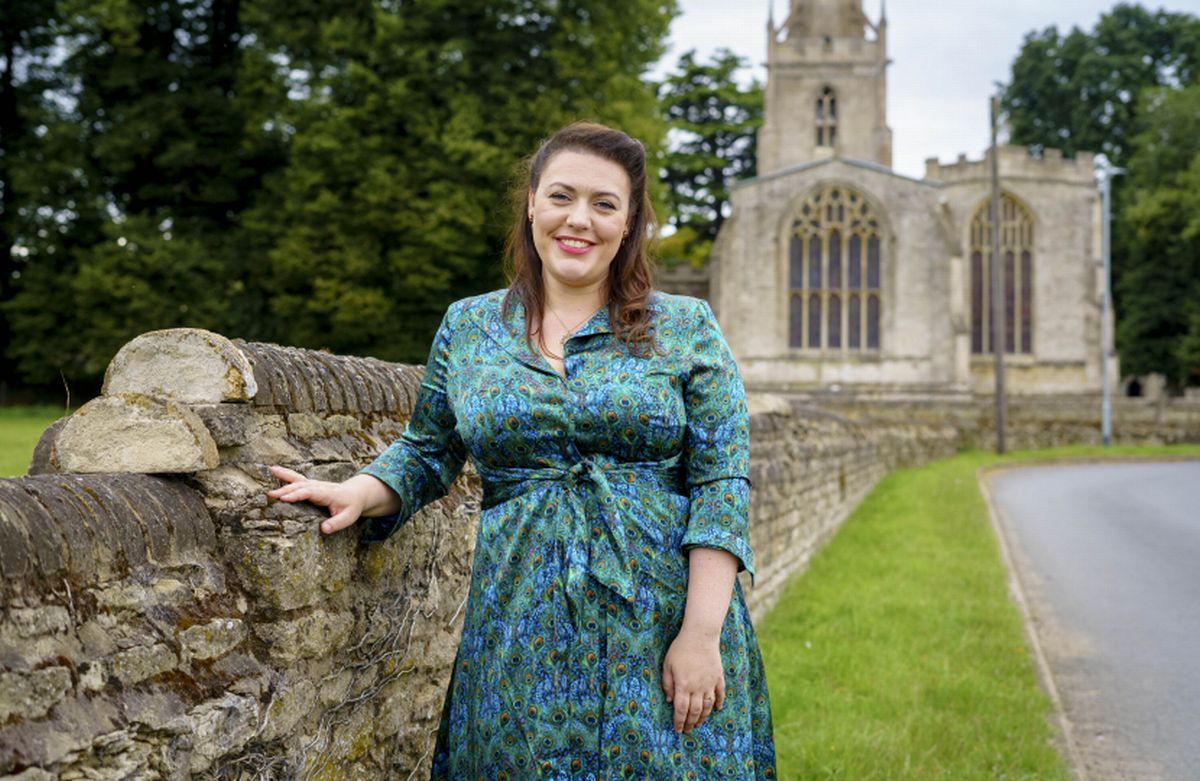 Alicia Kearns(Image: Alicia Kearns)
But Mrs Kearns has criticised the changes in Lincolnshire and said this will make it more difficult for her to raise local heathcare issues on a national level. She said: “I’m deeply concerned about these changes because they weren’t in the Labour Party manifesto and essentially it’s the same thing as local government reform, they’re trying to create larger bureaucracies to oversee healthcare in our areas.
“All that means is that healthcare decisions are taken further away from home. Look at Lincolnshire. I already have enough difficulties trying to get focus on the Stamford and South Kesteven villages because essentially the focus in Lincolnshire always goes north towards the Humber.”
She went on to warn that many local healthcare issues will be ignored as a result of the changes. She added: “I don’t know how when we become Lincolnshire, Nottinghamshire and Derbyshire, I am going to get somebody based in Derby or Nottingham – because that’s almost certainly where they’re going to be based – to focus on or care about our tiny little corner of Lincolnshire, when we are on the border with Cambridgeshire and Rutland and everywhere else.
“In terms of the funding, privately, healthcare officials have been incredibly blunt with me. They’re really worried about this ICB reform. They’re amazed that no one is picking up on it.”
Mrs Kearns warned that it will become “extremely difficult” to get any focus on specific communities and that many healthcare decisions will no longer be made locally. She added: “I’m not a believer in these macro-government uber laws because, essentially, you move everything further away from people.
“You move everything further away from communities and actually what we’ve seen with healthcare is we need a community-focused approach.” But a spokesperson for NHS Lincolnshire Integrated Care Board, said: “NHS Derby and Derbyshire ICB, NHS Lincolnshire ICB, and NHS Nottingham and Nottinghamshire ICB have clustered together (not merged) as part of a national requirement to reform NHS commissioning.
“The NHS Ten Year Plan signals a shift from an NHS that treats people to one that also seeks to prevent avoidable ill health, provides care closer to home, and fully embraces the digital revolution to bring NHS care into the 21st Century. Establishing neighbourhood healthcare is at the heart of our plan, alongside continued endeavours to improve access to services and reduce waiting times.
“We will use data and insight from talking to our communities to better understand their needs and to prioritise the areas of care that have the greatest impact on health improvement, to ensure the NHS is both delivering for local people and contributing to the reduction in unacceptable health inequalities across our population.”