
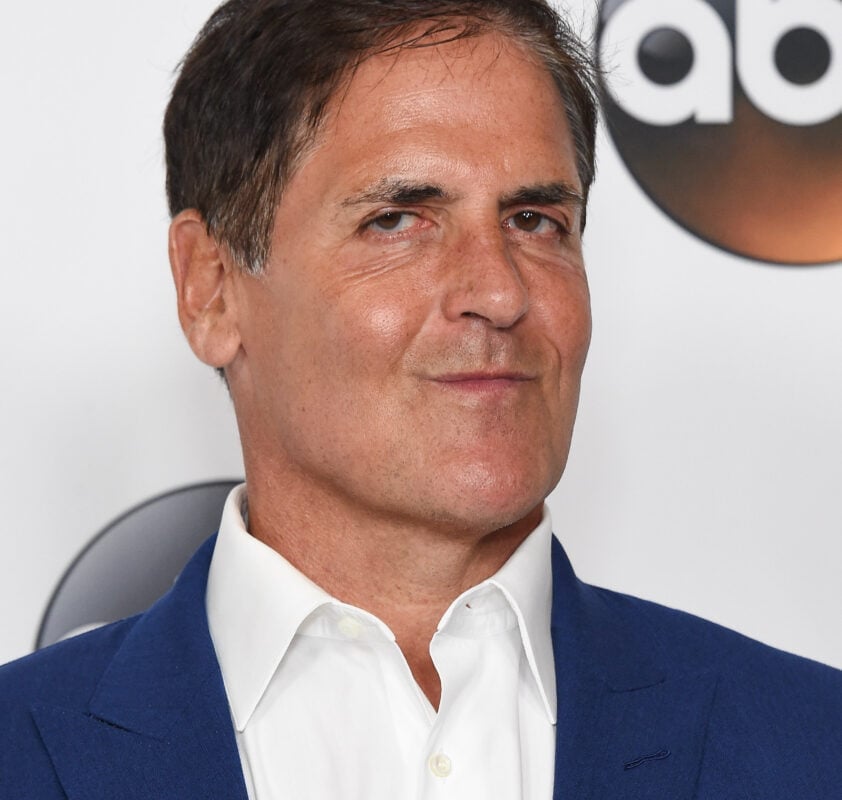
Healthcare didn’t become confusing overnight. It got there slowly, buried under paperwork, billing codes, and middlemen most patients never asked for. That frustration is what Mark Cuban, the self-made billionaire and longtime Shark Tank investor, decided to unpack on his own — without being asked.
In January, Cuban returned to his personal site, Blog Maverick, after a long stretch of silence. “I haven’t published anything on here in a long, long time.. Thought it would be fun to start up again,” he wrote. He said the post was meant to be informal and exploratory. “I wanted to give some stream of consciousness thoughts on how I think we can ‘fix’ the economics of healthcare.. Hopefully I make a lot of folks think and make a lot of folks in the industry think harder.”
Don’t Miss:
From there, Cuban went straight to what he sees as the core problem. “Healthcare is a very simple industry made complicated,” he wrote, arguing that the complexity isn’t driven by better care but by the pursuit of margin dollars.
When Cuban asked what healthcare should look like, his answer was intentionally retro. “Hypothetically, it should look like 1955,” he wrote. “Patients go to providers for care. Providers provide that care. Patients get a bill and if they can afford it, they pay that bill. That’s it.”
In his view, everything else is secondary. “The ONLY question in healthcare should be ‘How should care for people who can’t afford to pay for their care be paid?'” he wrote. The rest, he suggested, is noise layered onto a transaction that used to be straightforward.
Trending: GM-Backed EnergyX Is Solving the Lithium Supply Crisis — Invest Before They Scale Global Production
Cuban also took aim at how pricing gets obscured. He criticized bundled charges, markups on basic supplies, and contracts so complex they hide real costs. Publishing prices alone doesn’t solve it, he argued, when “everyone bundles and upcodes and plays games.”
Insurance companies, he wrote, are a major source of that distortion. Managing and administering payments alone can add 20% to 30% in overhead, before accounting for fraud and overbilling. “That’s real money,” Cuban said, especially in a system he estimates costs about $5 trillion a year.
That line of thinking mirrors how Cuban tends to approach business more broadly. He’s less interested in flashy solutions than in stripping away layers that exist mainly because they always have. The opportunity, in his view, isn’t inventing complexity but removing it.
See Also: Wall Street’s $12B Real Estate Manager Is Opening Its Doors to Individual Investors — Without the Crowdfunding Middlemen
That instinct is what led him to launch Cost Plus Drugs, a company built around transparent pricing and cutting out middlemen in pharmaceuticals. It’s also why he’s long been drawn to early-stage companies that challenge entrenched industries by simplifying how things work. For investors watching healthcare, Cuban’s message reads less like nostalgia and more like a signal that disruption often starts by making broken systems behave the way people assumed they already did.
Cuban made clear he wasn’t offering a finished blueprint. “I did all of this in about 90 minutes,” he wrote, inviting criticism and debate.
But the takeaway was unmistakable. Progress doesn’t always come from adding something new. Sometimes, it comes from remembering what worked before everything got in the way.
Read Next: Bezos’ Favorite Real Estate Platform Launches A Way To Ride The Ongoing Private Credit Boom
Image: Shutterstock
Up Next: Transform your trading with Benzinga Edge’s one-of-a-kind market trade ideas and tools. Click now to access unique insights that can set you ahead in today’s competitive market.
Get the latest stock analysis from Benzinga:
This article Billionaire Mark Cuban Wants U.S. Healthcare To Go Back To 1955. Doctors Provide Care, Patients Get A Bill —’And If They Can Afford It, They Pay’ originally appeared on Benzinga.com
© 2025 Benzinga.com. Benzinga does not provide investment advice. All rights reserved.