
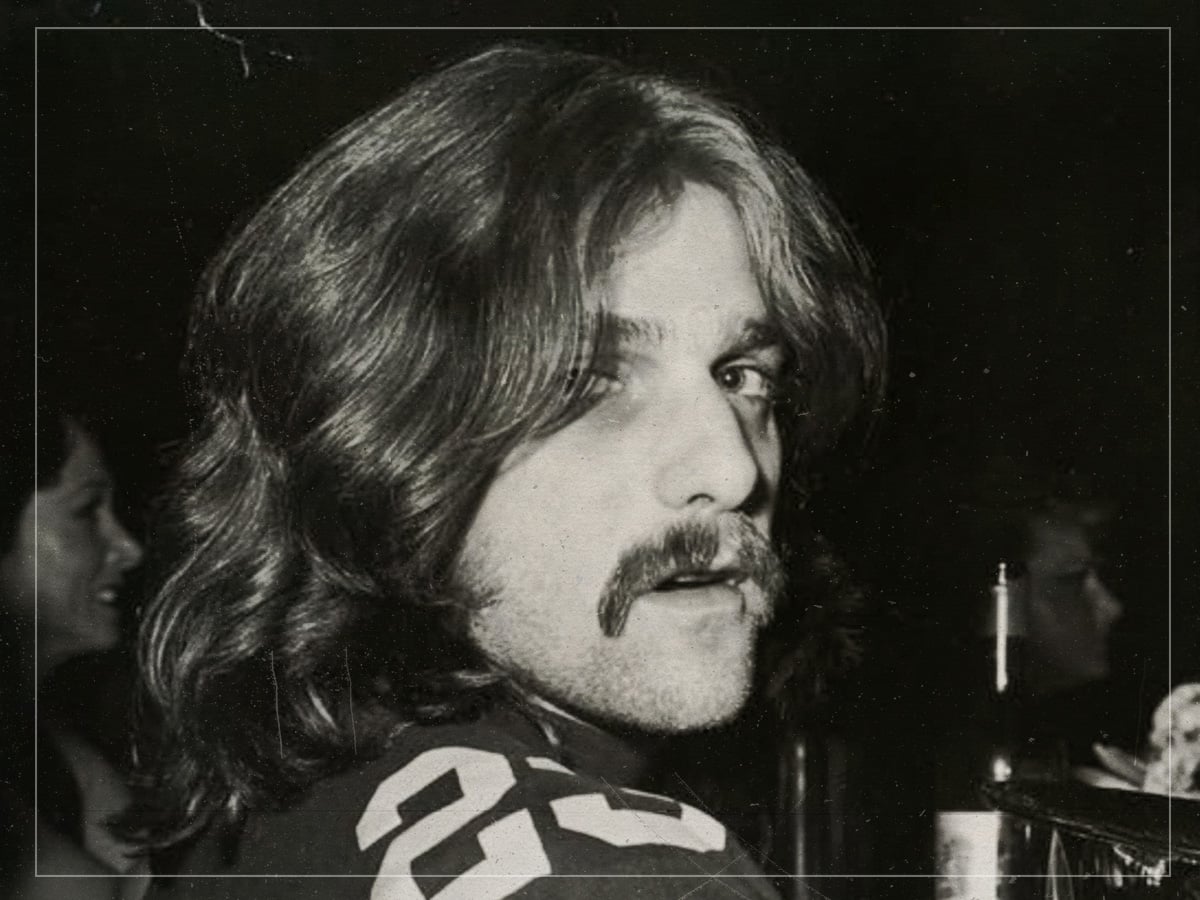
(Credits: Far Out / Greenwich Entertainment)
Wed 24 December 2025 18:00, UK
When Glenn Frey first started the Eagles with Don Henley, he wasn’t looking for a standard rock and roll band.
He had seen the rest of the California rock scene back when he was a musical gun-for-hire, and any band that he put together needed to be at the top of their game if they had any hope of being remembered. They were competing with the likes of Crosby, Stills, and Nash, but even after Frey left a musical legacy with his old band, he still knew when he heard records that didn’t have any flaws.
Then again, being a little fallible was part of the fun when Frey struck out on his own. It had been stressful going up every single rung of the ladder in the band’s early days, so when he released No Fun Aloud, he finally rediscovered how enjoyable playing music could actually be. But once he started to dust out the cobwebs, there was a lot more to him than playing the standard soft-rock tunes. Henley had his own solo smashes, but Frey wanted to bring something new to the table.
And when looking at his track record for starring in films, he certainly carved out a niche for himself on the charts and in theatres. He might not have been the greatest actor ever put onscreen, but when people weren’t commending him for his role as a manager who chews out Tom Cruise in Jerry Maguire, they were listening to the kind of tunes he could bring to movies like Beverly Hills Cop.
After being in the music industry for a while, there comes a point where everyone wants to slow down a little bit. By the 2000s, Frey had already been through multiple reunion tours with Eagles and had even put a bow on their career with Long Road out of Eden, but After Hours was the one opportunity he had to work completely outside of his genre.
While any seasoned rock and roller would have had a very negative reaction to someone going the easy listening route, it actually suits Frey’s voice pretty well. He’s no Michael Bolton or anything, but when listening to the way that he approaches tunes by the likes of Ray Charles or Brian Wilson, you can tell that he has a firm handle on what he wants to do, even down to the title track closing out everything. But he would have never had the same courage for an album like this were it not for Linda Ronstadt.
She had already been Frey’s colleague in the pre-Eagles days, but after her stint on Broadway, Frey remembered being knocked out by her working with Nelson Riddle when making albums like What’s New, saying, “[Those are] the standard for me. Those albums are seamless-damn near perfect.” Then again, what Ronstadt did was almost impossible for even someone like Frey to match.
Every member of Eagles knew to take care of their voices, but Ronstadt had one of the most flexible ranges of anyone in the California rock scene. Frey may have had a steady diet of old-school music from his parents, but the seamless transition that Ronstadt made when working with Riddle was like watching her inhabit people like Rosemary Clooney for a few minutes whenever she got behind the microphone.
And while this is easy listening music that everyone’s grandmother would have approved of, there’s something almost punk in the way that Ronstadt managed to approach her craft back in the day. Frey and Henley both had the potential to sell in droves after becoming a legacy act, but Ronstadt is the gold standard of someone that played by their own rules and never cared about what the critics had to say.
Related Topics