
(Credits: Far Out / digboston)
Wed 24 December 2025 16:31, UK
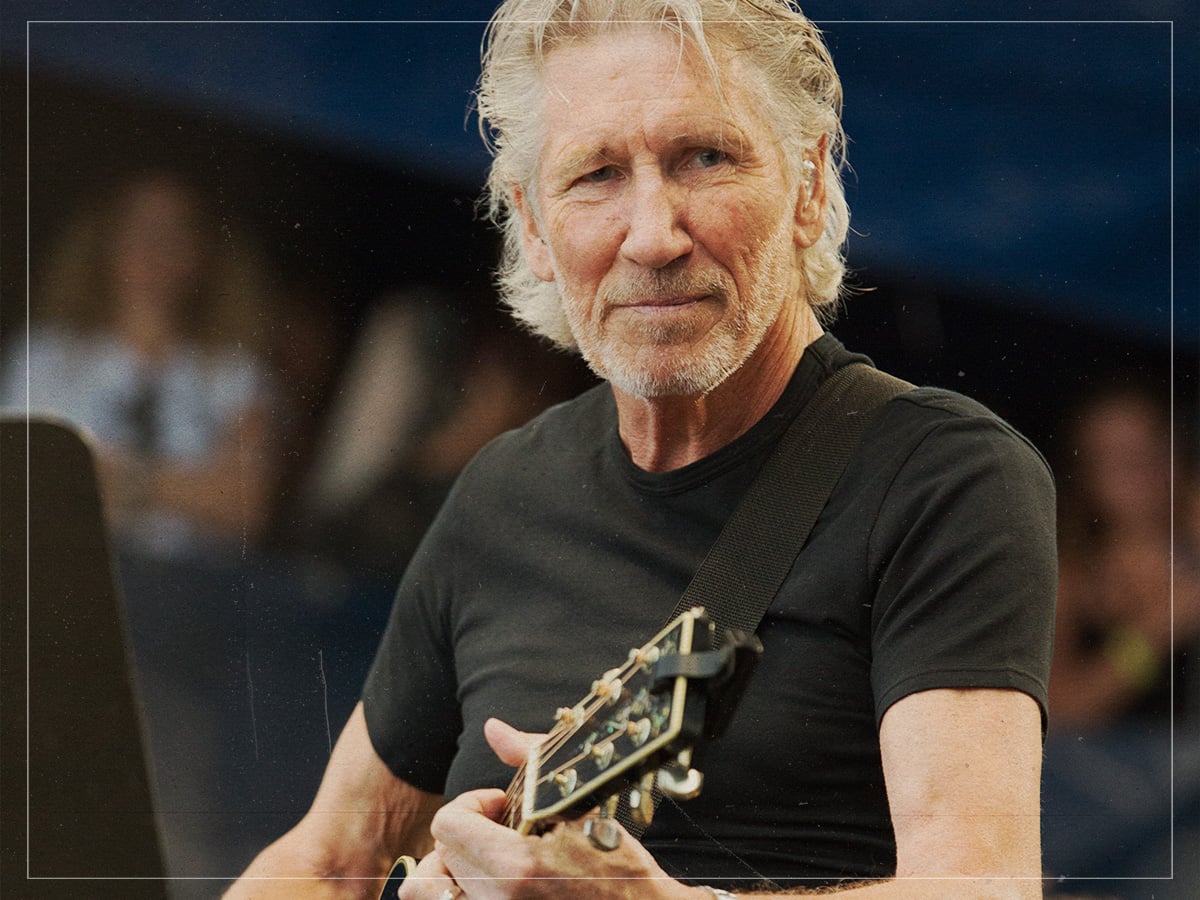
Nothing that Roger Waters ever created was ever considered easy to put together. As far back as the early days of Pink Floyd, Waters needed to pick up the reins for Syd Barrett before moulding the band into something completely different. Although Waters might be known as the primary songwriter who held down the bottom end for the band’s greatest albums, he said he still lives in the shadow of this bass player.
The role of the bass rose to prominence when Waters began cutting his teeth with Pink Floyd. Outside of bassists like Paul McCartney and John Entwistle laying the groundwork for the future of bass guitar, most of the most renowned four-stringers in the early 1960s were known to play purely roots and fifths of the chords they were playing, fading into the background while the guitarist did the flashy solos onstage.
As the British blues boom kicked in, every musician began taking things up a notch. With the debut of bands like The Yardbirds, artists were seeing the stage as an excuse to jam on their instruments, making for bits of musical magic when they hit on the right idea. While Eric Clapton started playing that same electric blues, he had something else in mind when putting together Cream.
For Waters, the bass was never meant to be a background instrument. Even as rock music was still finding its footing, he was paying close attention to the players who refused to stay in their lane, pushing the instrument into melodic and rhythmic territory that demanded to be noticed. Rather than locking himself into a purely supportive role, Waters gravitated towards bassists who treated the instrument as a second voice, capable of shaping a song just as much as any lead guitar or vocal line.
That approach naturally drew him to musicians who blurred the line between rhythm and lead. The idea that a bassist could challenge the guitarist rather than simply follow along was still relatively new, but it was quickly becoming one of the most exciting developments in British rock. For young players like Waters, watching that shift happen in real time offered a glimpse of what the instrument could become when handled by the right hands.
Going beyond the traditional blues that The Yardbirds were known for, Clapton put the famous power trio together with local legends Jack Bruce and Ginger Baker. Coming from the world of jazz, blues and rock and roll, Bruce was the one bassist who could give Clapton a run for his money whenever they played.
Never satisfied playing traditional low-end, Bruce would be flying up and down the fretboard every time he got onstage, turning what would be traditional rock songs into psychedelic freakouts by constantly sliding through different modes that left most bassists dumbfounded. Even when talking about working with Cream later, ‘Slowhand’ would say that half of the band’s greatest tunes revolved around him trying to keep up with his melodic partner, constantly ensuring he didn’t screw the song’s central groove.
With Waters finding his feet around the same time, he would consider Bruce’s touch on the bass one of the best examples of rock and roll bass playing. Speaking to Rolling Stone, Waters would admire the power that came from the band’s front line, recalling, “Eric Clapton we don’t have to talk about – we all know how amazing he is. And then there’s Jack Bruce – probably the most musically gifted bass player who’s ever been”.
Even though Pink Floyd may not have been able to match the intensity of Cream on the road, Waters would be inspired to take the band in different directions thanks to the band’s guidance, creating songs like ‘Money’ that didn’t rely on the traditional pop time signature to become a classic. While Waters might admit to not being capable of touching Bruce’s talent, he would say that every Floyd classic is indebted to what they did, explaining, “Along with The Beatles, they gave those of us entering the business at the time something to aspire to that wasn’t pop but was still popular”.
Related Topics