
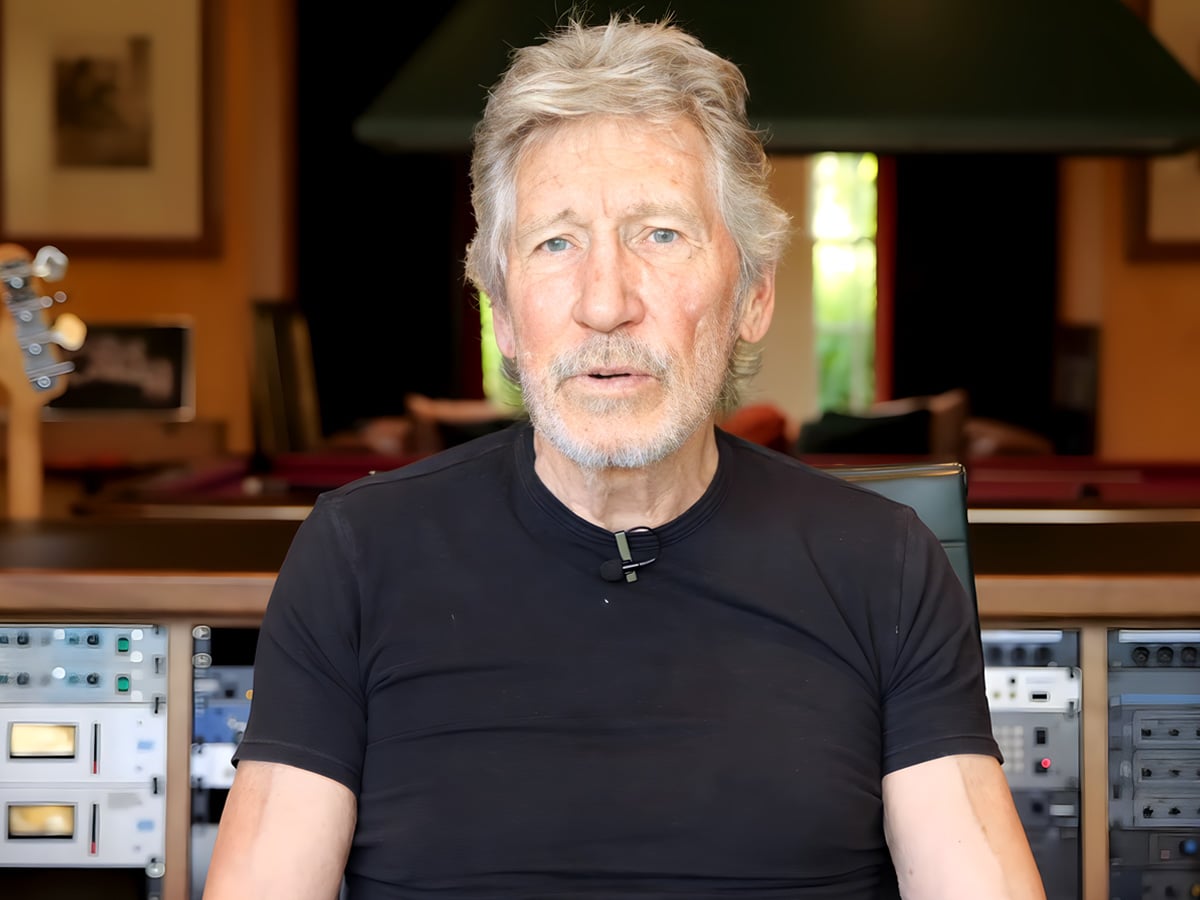
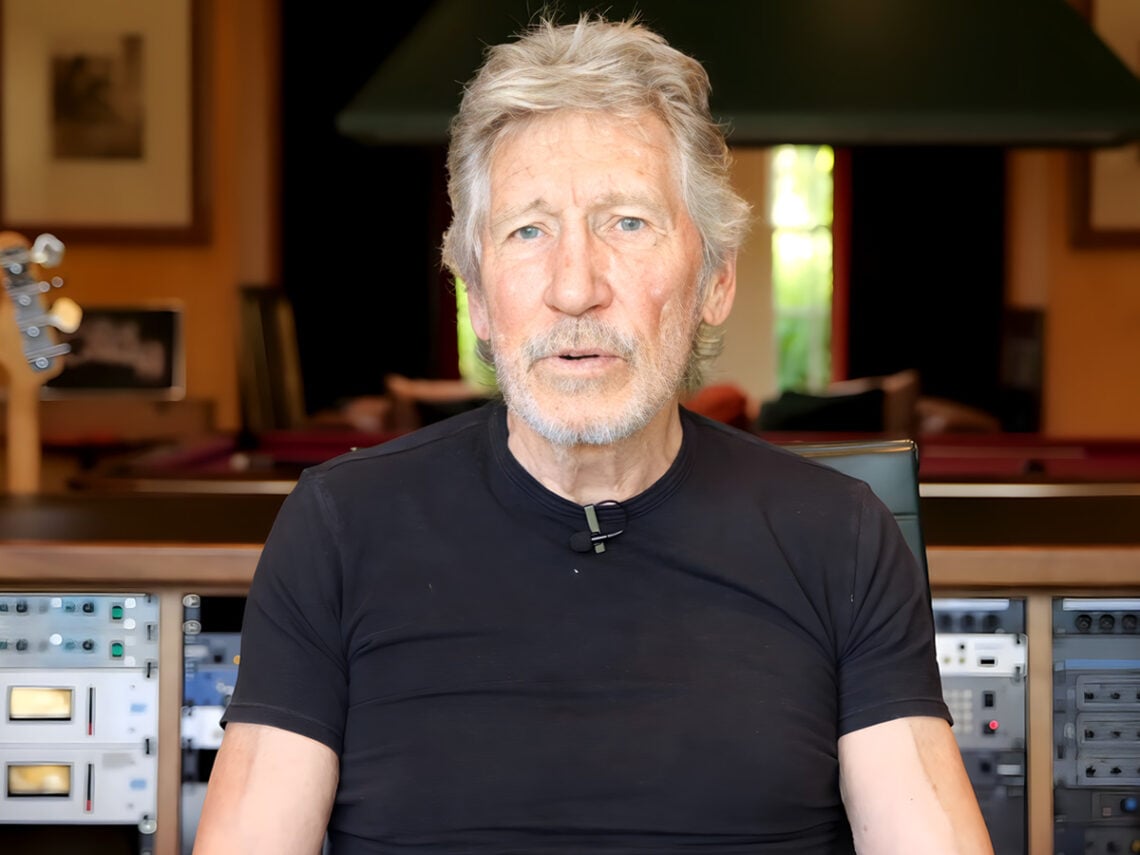
(Credits: Far Out / YouTube Still)
Thu 25 December 2025 15:30, UK
Anything that Roger Waters ever sang needed to mean more than simple rock and roll.
From day one, Pink Floyd wanted to challenge everyone’s notions of what a standard rock band could be, and throughout every step of the way, Waters wasn’t going to rest until he felt like he had made a record that could stand as a timeless piece of art. But when looking through a lot of his finest moments, many of the tools that he used went far beyond the standard chords that every single rock and roll band started with.
It’s easy to see the influence that a band like The Beatles had on records like Dark Side of the Moon, but Waters seemed to take the conceptual pieces of an album like Sgt Peppers one step further. Paul McCartney had merely suggested that their music could be made into something more than a collection of songs, but when looking at the poets that have come before him, Waters knew there was a way to fuse the musical and lyrical genius together on one record.
Whereas the rest of the band were interested in expanding musically, Waters always went back to the same songwriters that he considered to be his peers. Neil Young and Bob Dylan had always stood by their principles and made the most hornet’s music that they could, and while Waters was going to abide by the same principles, that kind of mentality was there well before even Chuck Berry started making rock and roll.
The biggest names in rock had used it as a template, but that was only an extension of what the blues had done for people years before. Robert Johnson played by his own rules whenever he performed, and while a lot of the biggest names in the genre, like Muddy Waters, could never quote his own heart whenever making his tunes, Leadbelly could have been considered the original rock and roll outlaw in many respects.
Aside from playing the most guttural blues anyone had ever heard, there was something in his voice that made it feel like he had lived through several different lifetimes to get in front of that microphone. He wasn’t the most tuneful singer in the world, but there was a lot of honesty there, and Waters felt that anyone worth their salt was only going to be following in Leadbelly’s footsteps for the rest of their lives.
While he had a great deal of admiration for what someone like Elvis Presley did, Waters still felt that few people could compare to what Leadbelly brought to the table, saying, “I was turned on by Elvis like everyone else, but my interest goes right back to the early part of the 20th century, back to Leadbelly, back to the first protest songs on the edge of the blues which is where the best of rock and roll still lives. We haven’t moved far really. If you listen to Rust Never Sleeps, essentially it hasn’t really strayed that far from Bessie Smith and Leadbelly.”
And that kind of influence wasn’t lost on the future generations, either. Kurt Cobain idolised Leadbelly throughout his career, and even when Waters was working on his later solo material, he was still trying to push the envelope and push himself a little bit over the line if it meant that people would wake up from their stupors and see the real problems going on in the world.
Admittedly, the sound of an old bluesman singing about his troubles is probably the last thing that kids want to hear, but since this is the man who practically coined the term “woke”, he wasn’t looking to sing mindless tunes. He was speaking for the outsiders of the world, and no matter which generation is coming up, his music is bound to resonate with the fellow outsiders of the world.
Related Topics