
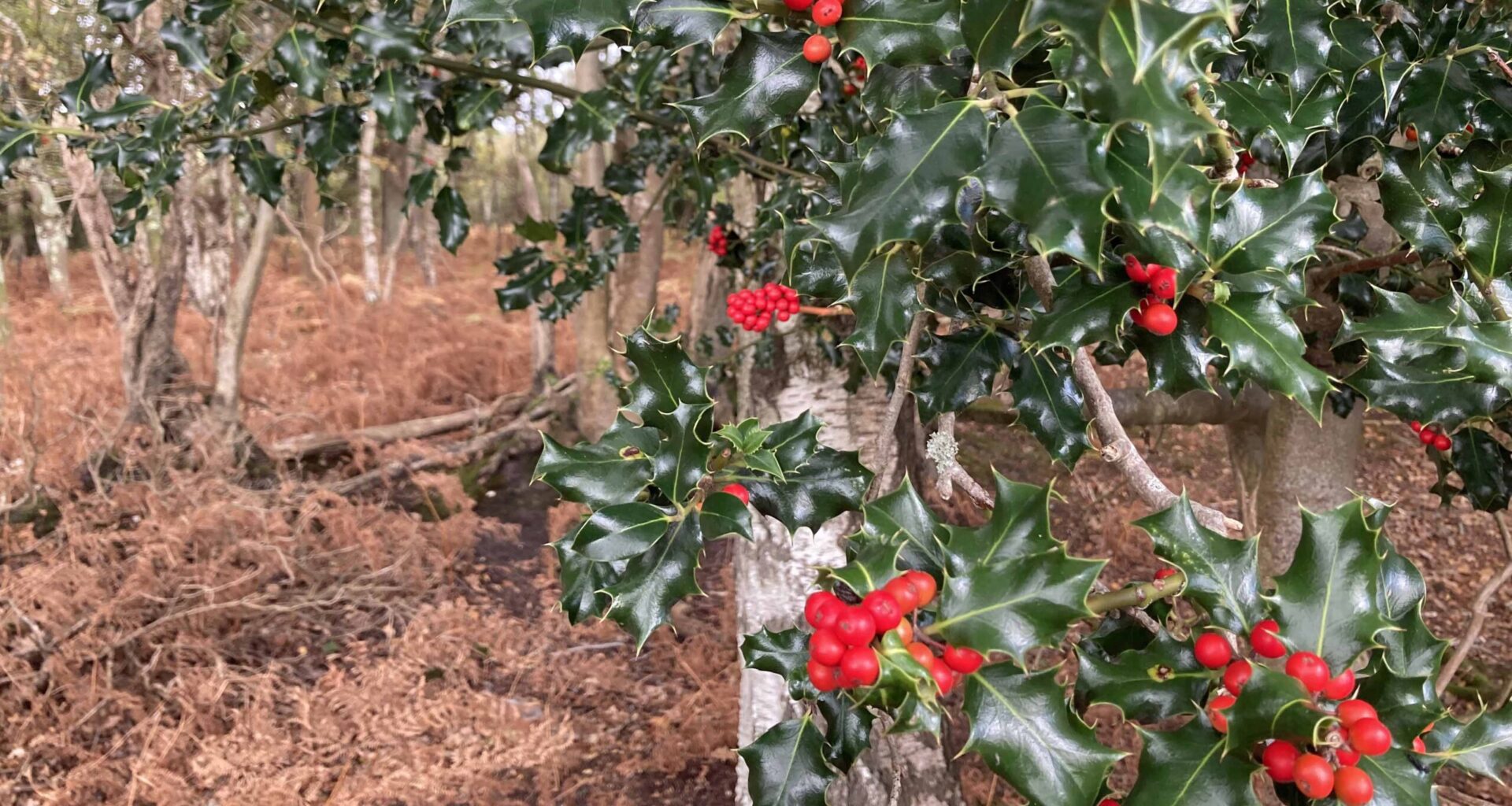
Birds and animals have been feasting on a bumper crop of nuts and berries across Purbeck heath and woodland in Dorset, in a phenomenon which occurs about once every four years.
Called a mast year, this is when trees and bushes produce an unusually large amount of acorns, conkers, winged seeds, and of course holly berries, which have lit up areas of woodland with their vibrant red display.
 Pete Christie
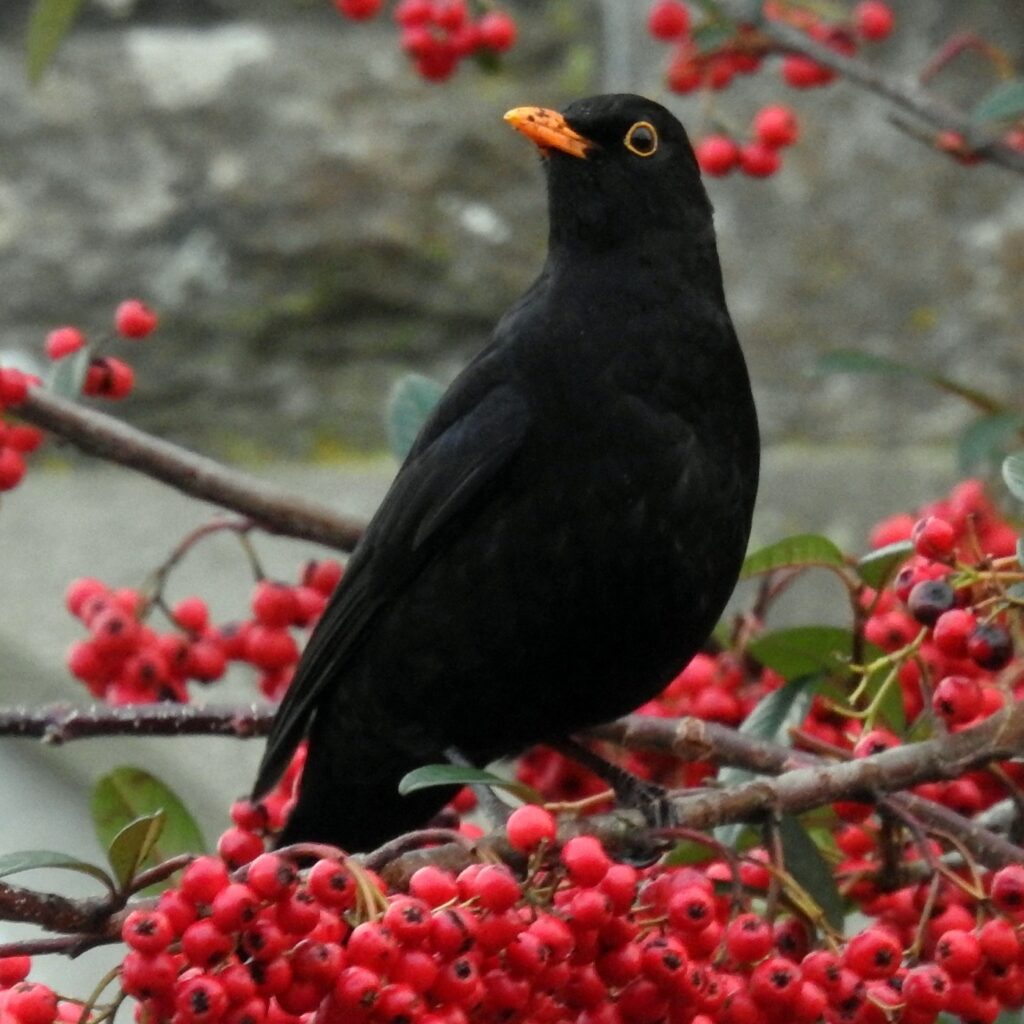
A very berry Christmas for this blackbird!
Abundant supply
This bountiful harvest has happened across the UK during autumn and winter 2025, but has been particularly noticeable at Arne, Studland, and at Durlston Country Park in Swanage.
It is not known exactly why trees and bushes in some years produce low numbers of nuts and berries and in other years produce an abundance, but there are some theories.
The first is that it is related to weather, and scientists have identified a link between a dry, warm spring and a mast year, which ties in with the weather for 2025.
However it’s also believed that trees and bushes produce a plentiful supply of nuts and berries about every four years to guarantee some will survive and grow into new saplings, after the birds and animals have had their fill.
But a degree of mystery still surrounds the nature of the phenomenon.
 NT
NT
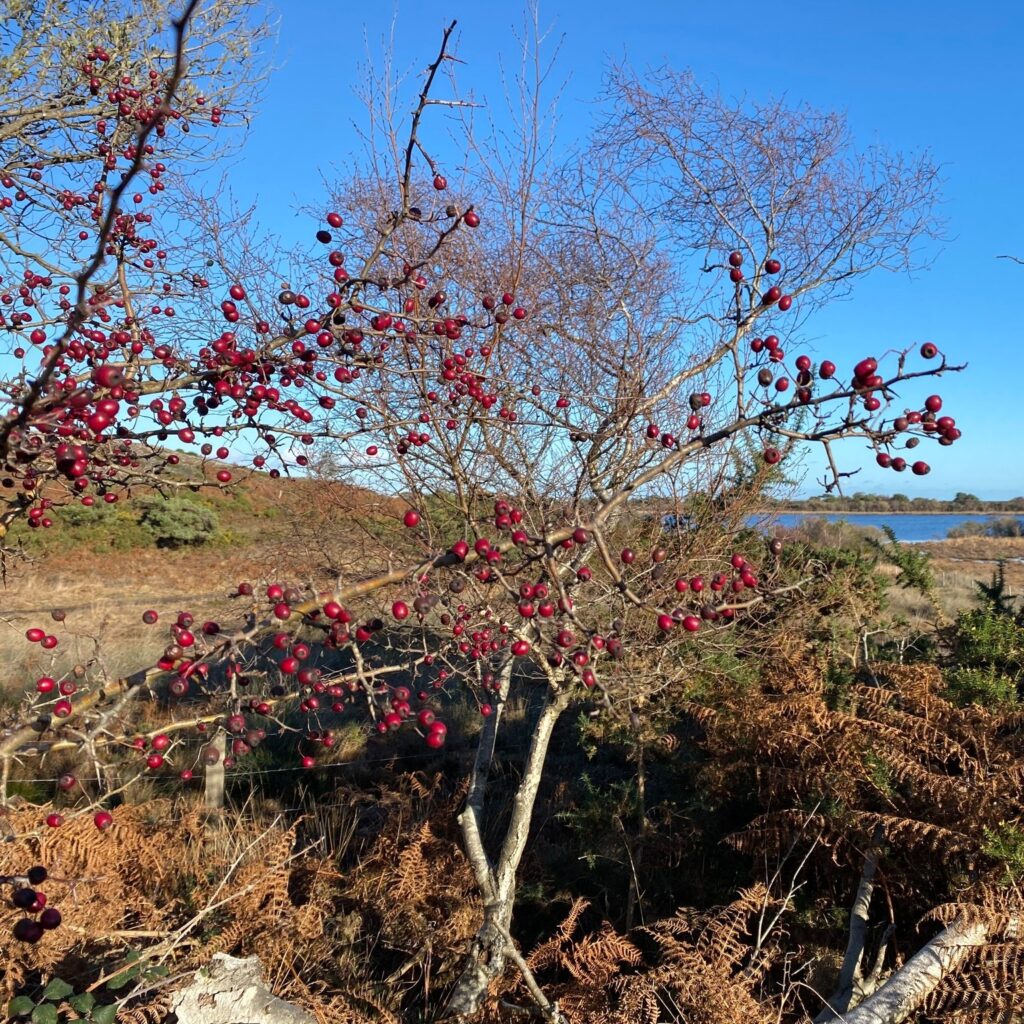
Plenty to feast on at Little Sea in Studland
 Mark Singleton
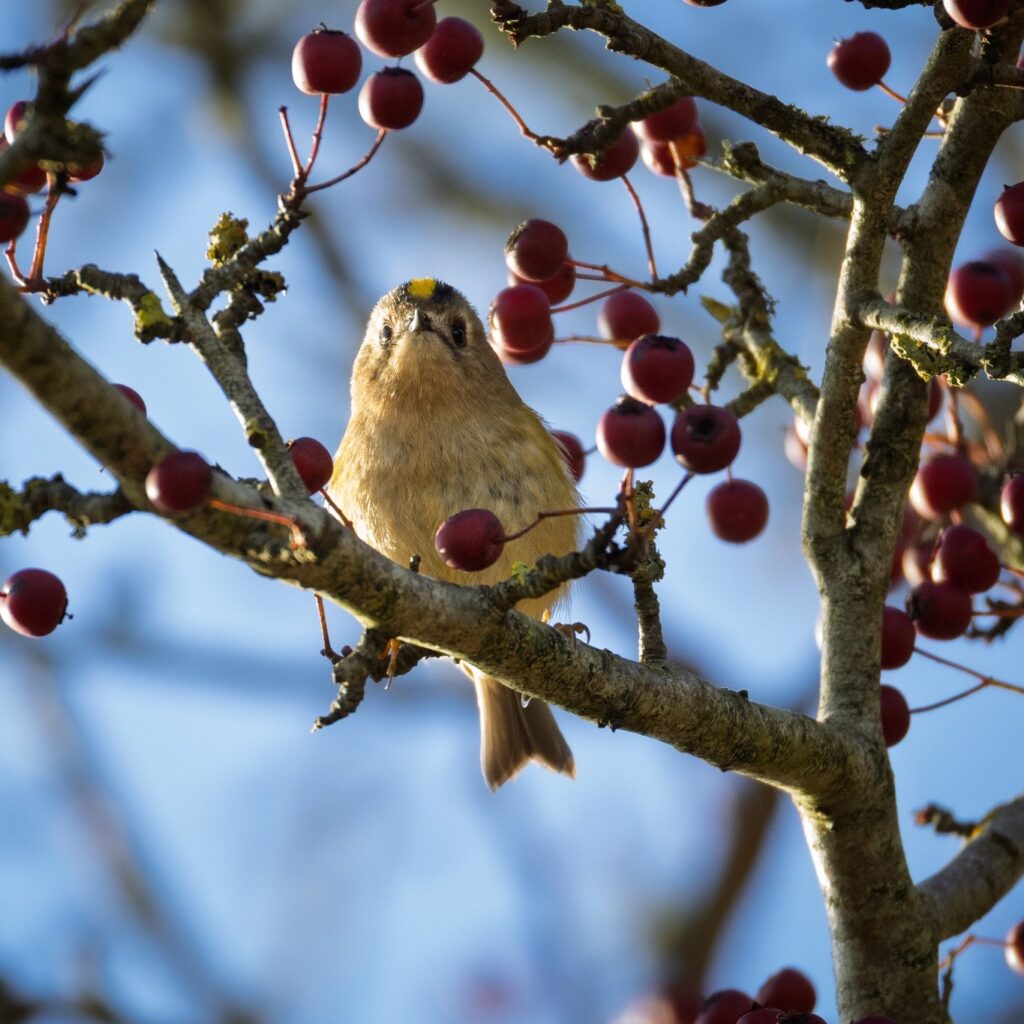
A goldcrest spotted on Purbeck heathland
“Vital food sources for wildlife”
National Trust countryside manager for Purbeck, Mark Singleton said:
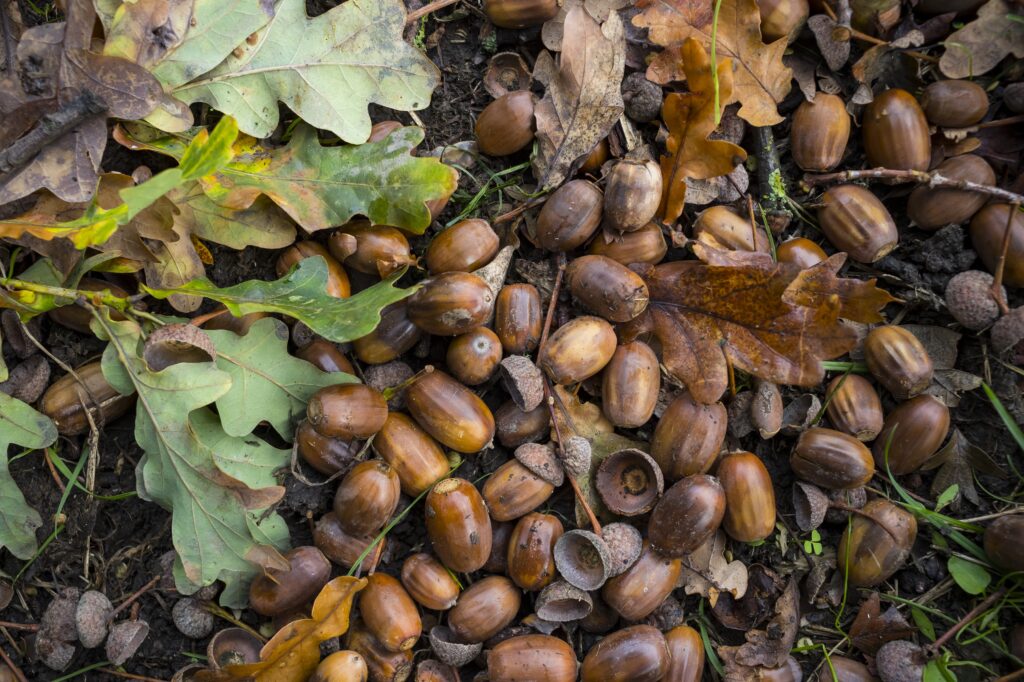
“Many people associate mast years with oak and beech trees producing bumper crops of acorns and beech nuts, which sustain animals like jays, squirrels and mice.
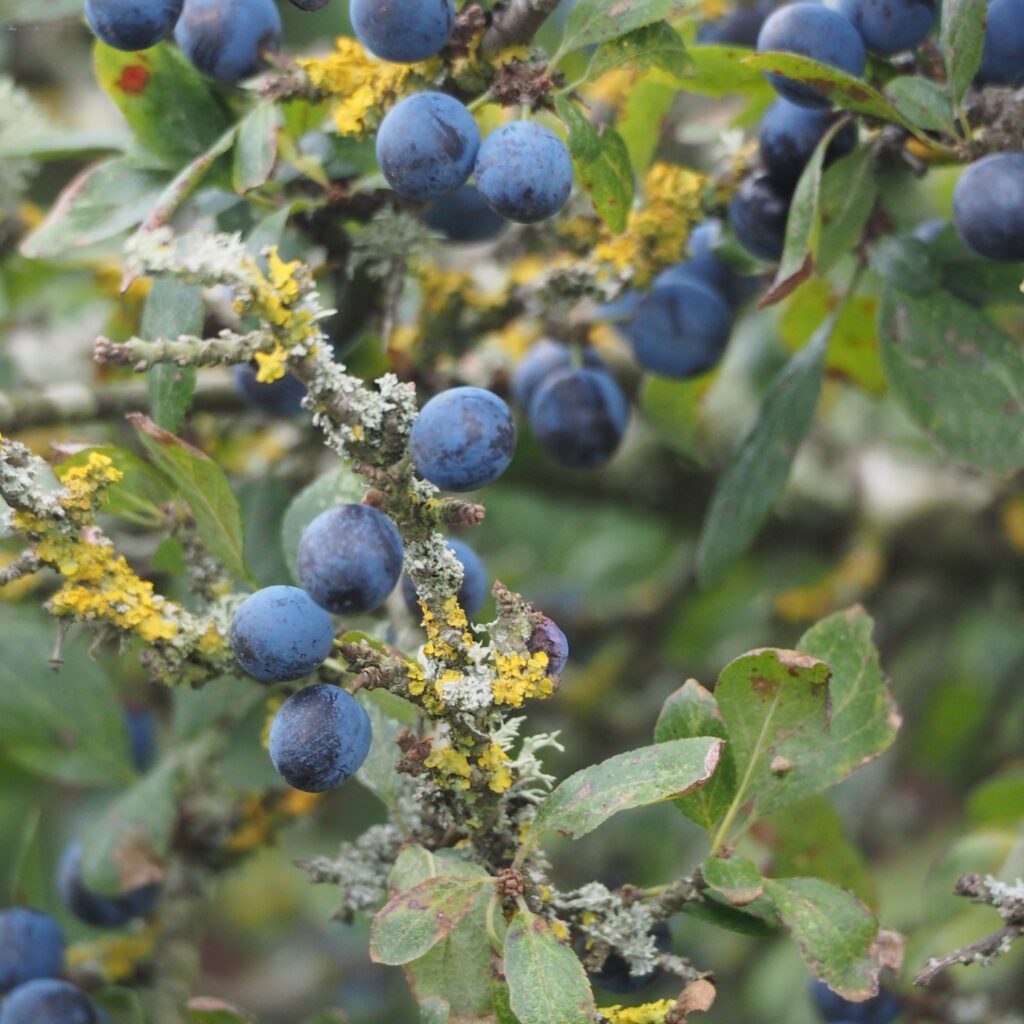
“But scrubland species like hawthorn, blackthorn and bramble also have abundant years, producing berry crops that are vital food sources for wildlife, especially songbirds.
“This autumn and winter, the amount of berries out on the heaths and farmland is incredible.”
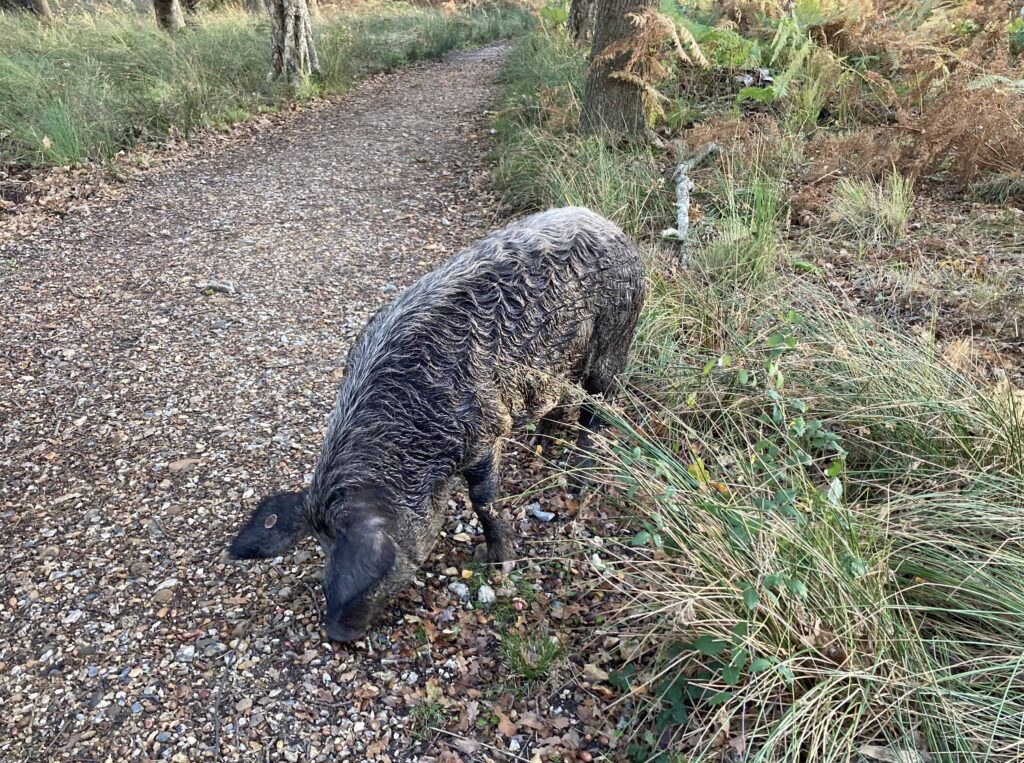
Pigs at the RSPB Arne nature reserve foraging for nuts
 NT / Chris Lacey
A good year for acorns
Bird population in overall decline
The amount of nuts and berries have also been abundant in people’s gardens, providing a natural source of food for common visitors like squirrels, blackbirds, pigeons and tits.
The bird population in the UK has been in overall decline since the 1970s although there has been some recent evidence in Purbeck that numbers are improving for some species.
It was reported at the AGM of the Purbeck Natural History Forum in November 2025, that there were now 97 breeding pairs of Dartford warblers at Arne, despite facing extinction in the 1960s.
 Durlston Country Park
Ripe sloes at Durlston Country Park
“Planting native shrubs and trees across our farmland”
Mark added:
“Bird numbers, especially farmland species, have crashed over the last 50 years, so mast years alone won’t save them.
“That’s why we’ve been planting native shrubs and trees across our farmland to create wood pasture – a mix of grassland, scrub and trees – which will support a wide range of species.
“If people set aside just ten percent of their gardens for scrubby areas, the benefit to wildlife would be enormous. And they could enjoy the sight of birds feasting on the seeds and berries.”
Further information