
The next issue of Style comes out in 2026. I sound like my aunt Helen, but 2025 really has flown by, hasn’t it? I’ve written plenty of resolution round-ups before. “This time I will walk 10,000 steps a day!” And “this year I will only drink wine on the weekends!” Then by January 3 it’s Netflix and cabernet mode. I do have some resolutions that I feel very … resolute? … about finally ticking off: flossing as much as I tell my dentist that I floss, removing gel nail polish with the same discipline I have when I apply it, and cleaning my make-up brushes as often as I tell you to clean your make-up brushes. I also want to practise the make-up looks I’ve spent years insisting that I “just can’t do”. Fake lashes and winged eyeliner are up first.
Today, I’ve tapped up some of the smartest names in beauty and wellness to ask what they’re prioritising for a better 2026. Here are the six best to see us through the new year.
‘Aim to look healthier, not younger’
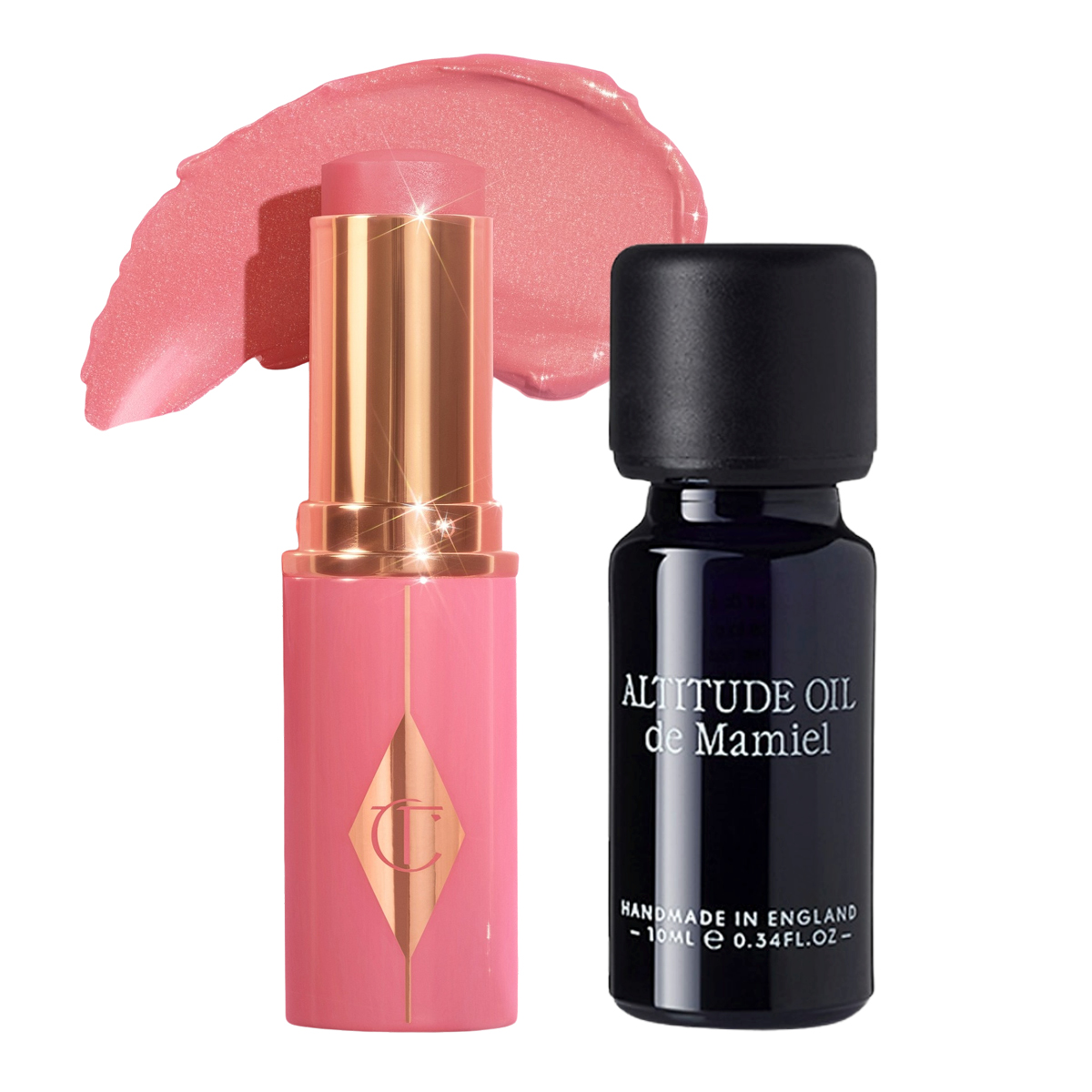
There was a time when the defining beauty question was: how do I look younger? But according to a recent Euromonitor survey, half of consumers now define beauty as “looking healthy”, and it’s one of the most refreshing shifts the industry has seen in a long while. For me, the pursuit of health — be that cold plunge therapy or gallons of liquid blush — feels infinitely more empowering than desperately seeking youth. If all this has made you want to proceed straight to blush checkout, then the Charlotte Tilbury Unreal Blush Healthy Glow Stick (£30) is an instant “you look well” filter.
 ‘Try underwhelming your skin’
It’s time to officially close the door on the maximalist skincare era. The pendulum has swung, and our skin barriers are relieved. Newsflash: you don’t need high-strength ingredients that overwhelm your skin every time you wash your face. To “underwhelm” your skin is to stop throwing it surprises. It’s to create steady, predictable conditions with simplified routines and ingredients your barrier can tolerate. “With that steadiness, the skin not only finds a healthy, glowing balance, but it also reflects a version of you that feels clearer, calmer and truly well,” says Annee de Mamiel, the eponymous founder of her beauty brand and mixmaster of de Mamiel Altitude Oil (£38), which is a reboot in a bottle. Grounding and endlessly comforting, it’s exactly what you want on your bedside table in the winter.
• Read more beauty product reviews and advice from our experts
‘Be more daring with fragrance’
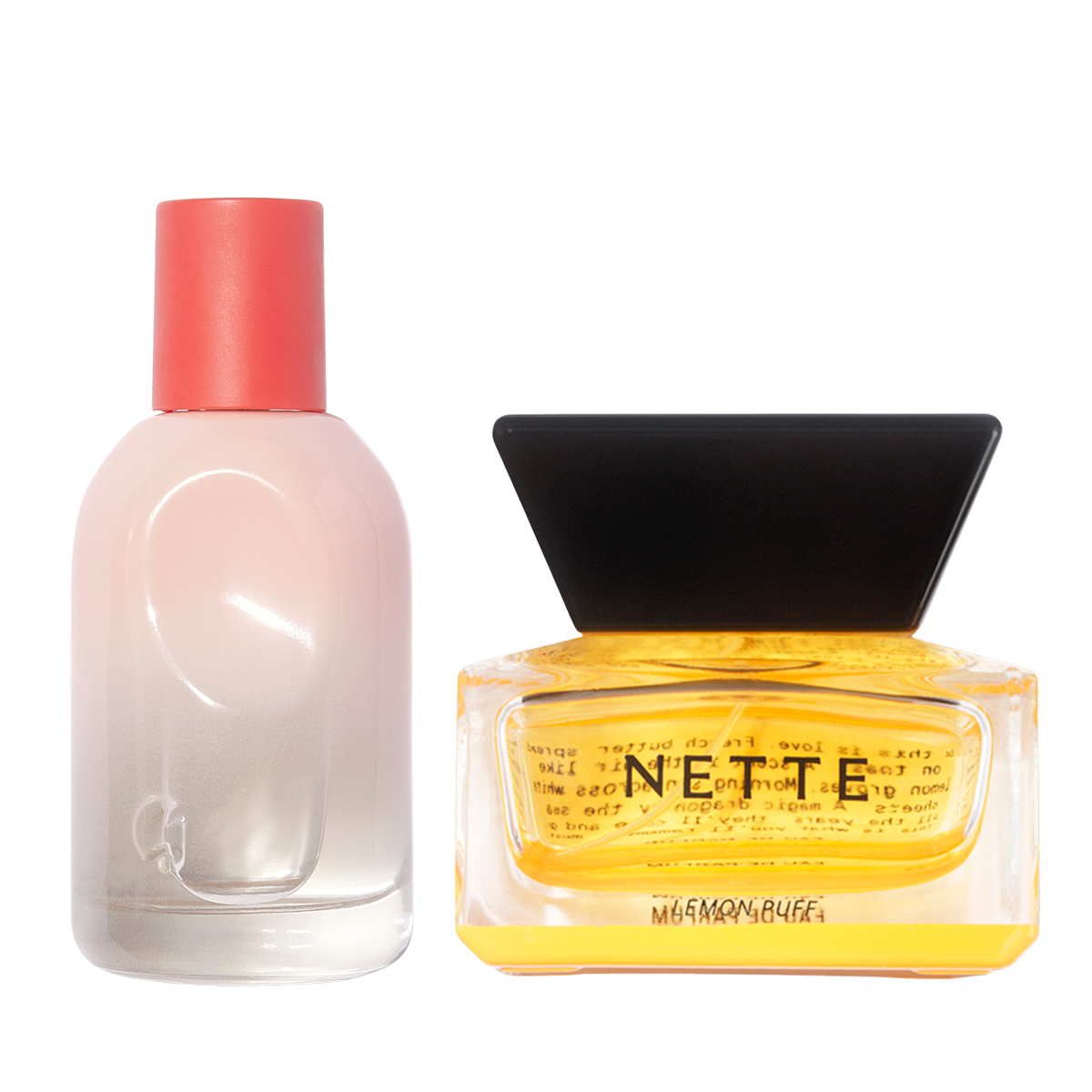
I have never layered two scents on top of each other. If I love one scent, why complicate it? But retailers across the board have seen a sharp rise in scent stacking as a tool to make perfume more personal and expressive rather than prescriptive. According to Cult Beauty’s 2026 trend-forecasting report, “Consumers are building a fragrance wardrobe rather than sticking to one scent: expressing mood, individuality and occasion. And it’s not just combining fragrances. It’s about blending oils, EDPs, body creams and hair mists to create a signature scent that’s uniquely yours.” When I want something fresh and energetic, I’m going to try with Glossier You (£70 for 50ml EDP) as a base and Nette NYC Lemon Puff (£97 for 50ml EDP) on top. For colder days when cosiness is required, it’s going to be Byredo Vanilla Antique (£310 for 70ml EDP) followed by Maison Margiela By the Fireplace (£120 for 100ml EDT).
 ‘Focus on quality not quantity of sleep’
“You need eight hours of sleep to function the next day!” was the longstanding official line, but modern sleep science has moved the goalposts. Now it’s less about hitting a number and more about the type of rest we’re getting. “We’re finally acknowledging that rest isn’t a luxury,” says Jianne Jamil, founder of the supplement brand Diome. “It’s the biological foundation for every aspect of our wellbeing, from skin health and hormonal balance to emotional resilience and cognitive clarity.”
The wearable tech brand Oura, which prides itself on tallying the nation’s sleep habits, says the most simple advice is to try to go to bed at the same time every night to support your natural circadian rhythm. For me, the takeaway is straightforward: we’re not machines that are permanently switched on. “In a world that prizes constant productivity, choosing rest is one of the most powerful, transformative acts of self-care we have,” Jamil adds.
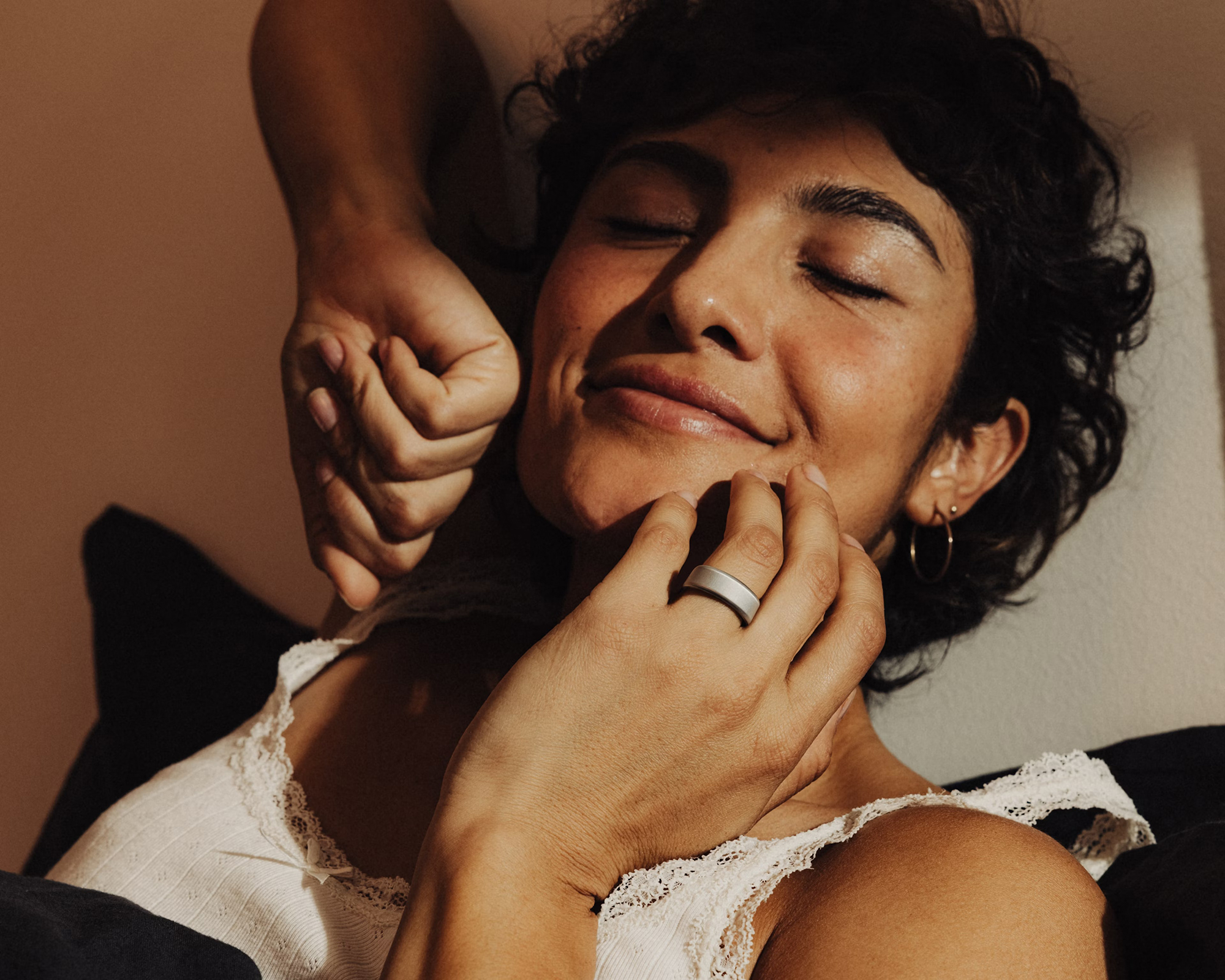
The Oura ring monitors sleep
The professionals suggest a couple of ways to aid sleep. First, try non-sleep deep rest (NSDR). This is a lying-down practice that drops the body into deep rest while the mind stays lightly aware. You can find a guided version on meditation apps. “It’s unbelievably restorative,” says Rhian Stephenson, founder of the supplement brand Artah. “Just 15 minutes can help you feel like you’ve had three extra hours of sleep.” Think of it as a power nap without the post-sleep fog.
The other is de-digitalising your lifestyle. Digital detoxing sounds lovely but usually collapses the moment a notification pings. Joanna Ellner, a former beauty director and the founder of the biotech skincare brand Reome, has a more realistic approach: “We chuck our phones in a drawer in the hallway between 6pm and 8pm and treat that time as sacred connection hours — board games, cooking, arts and crafts. It’s surprisingly grounding.”
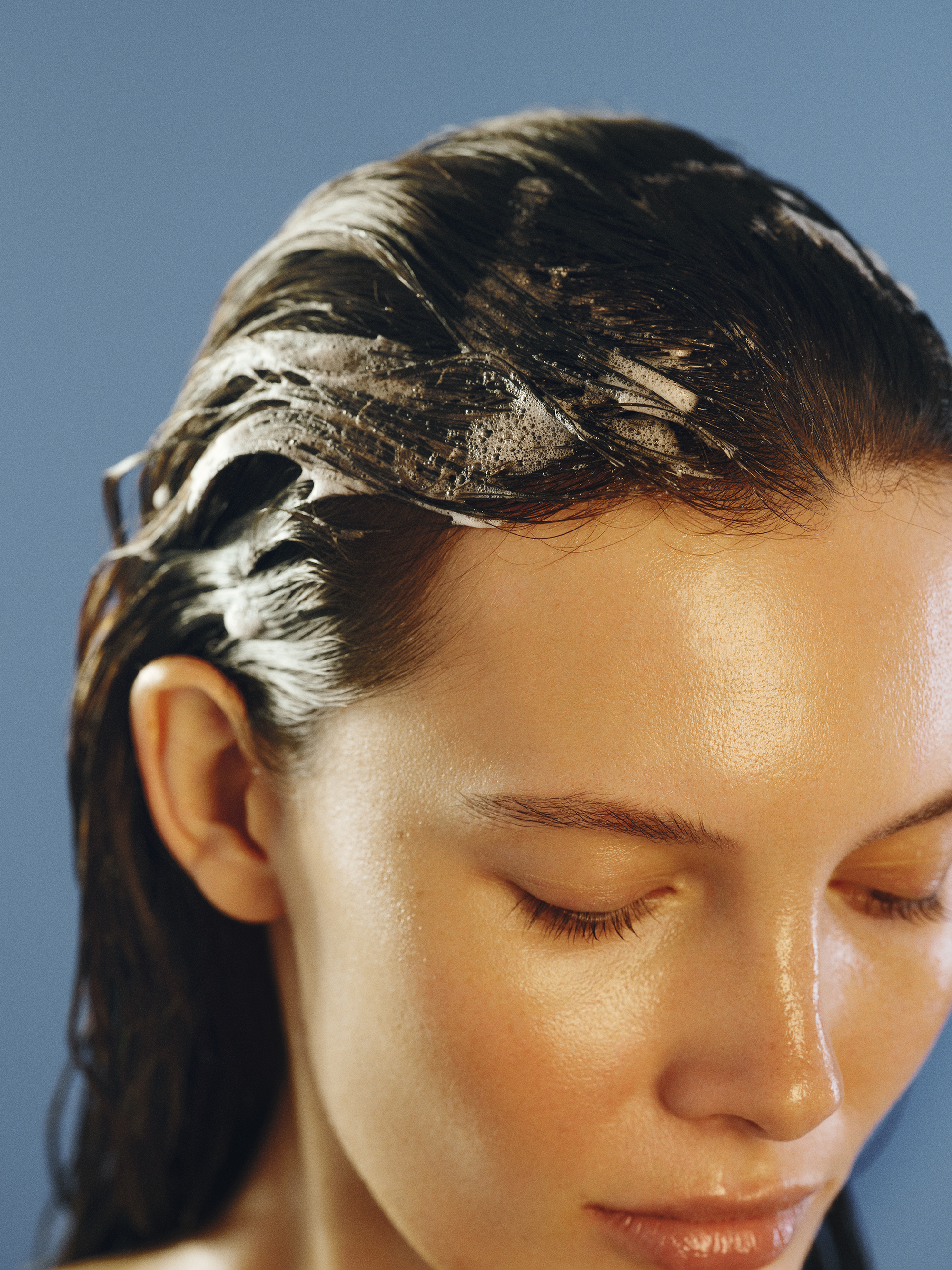
‘Pay attention to your scalp’
It’s easy to neglect the scalp as lots of us don’t check it on a daily basis. “For those who have hair, it doesn’t show up like sun damage does,” explains the consultant dermatologist Dr Emma Wedgeworth, who is seeing a rise of women in their late thirties and forties seeking help for hair concerns, often sparked by hormonal shifts. According to Wedgeworth, our follicles change over time. “Our hair needs maintenance and nourishment, yet it’s one of the most overlooked parts of our routine.” Wedgeworth swears by a nutrient-rich diet that keeps protein, iron and zinc stores replete. Also, treating wet hair with care, avoiding tight styles and not ignoring early signs of thinning. “Interventions like low-level laser treatment, PRP [platelet-rich plasma] and the hair-loss medication minoxidil can be beneficial. Prevention is everything. Once hair is lost, it becomes far harder to treat.”
 ‘Be more uninfluenceable’
This resolution from the consultant dermatologist Dr Justine Kluk caught my eye. “If I don’t need it, I’m not buying it. The rest can stay on TikTok,” she declared. Look, she’s a top doctor, so it’s more extreme than my approach, but it is so easy to just keep buying: the Cos jumper! The viral cheek jelly! The fourth iteration of the serum I already own! For me this is about purchasing less on a whim, and it’s knowing who you’re taking recommendations from and why.
The Style team’s beauty resolutions
Laura Atkinson
“I will finally do something about my overplucked eyebrows. I’m wary of heavy-looking, overly dyed brows, but my beauty team tell me there is a raft of new, more natural treatments to fill in the gaps. Here goes!”
Sarah Jossel
“I will not obsess in my magnifying mirror in forensic detail. I scrutinise every pore, mark and, er, chin hair, even though no one is getting that close to me.”
Phoebe McDowell
“I’m going to stop being sporadic in my retinol application. On it will go every other day, if not daily. There’s no point in gunning for a Kris Jenner-style facelift if by the time I’m 60 my skin quality is shot.”
India Knight
“My resolution is to wear less but better make-up, meaning better quality and better applied. Case in point: I want to start using only concealer and save foundation for nights out. Also I need to be vigilant about facial hairs. I’m on minoxidil for hair loss, which is great on the head but less so on the upper lip, so tweezers in every pocket, just in case.”