
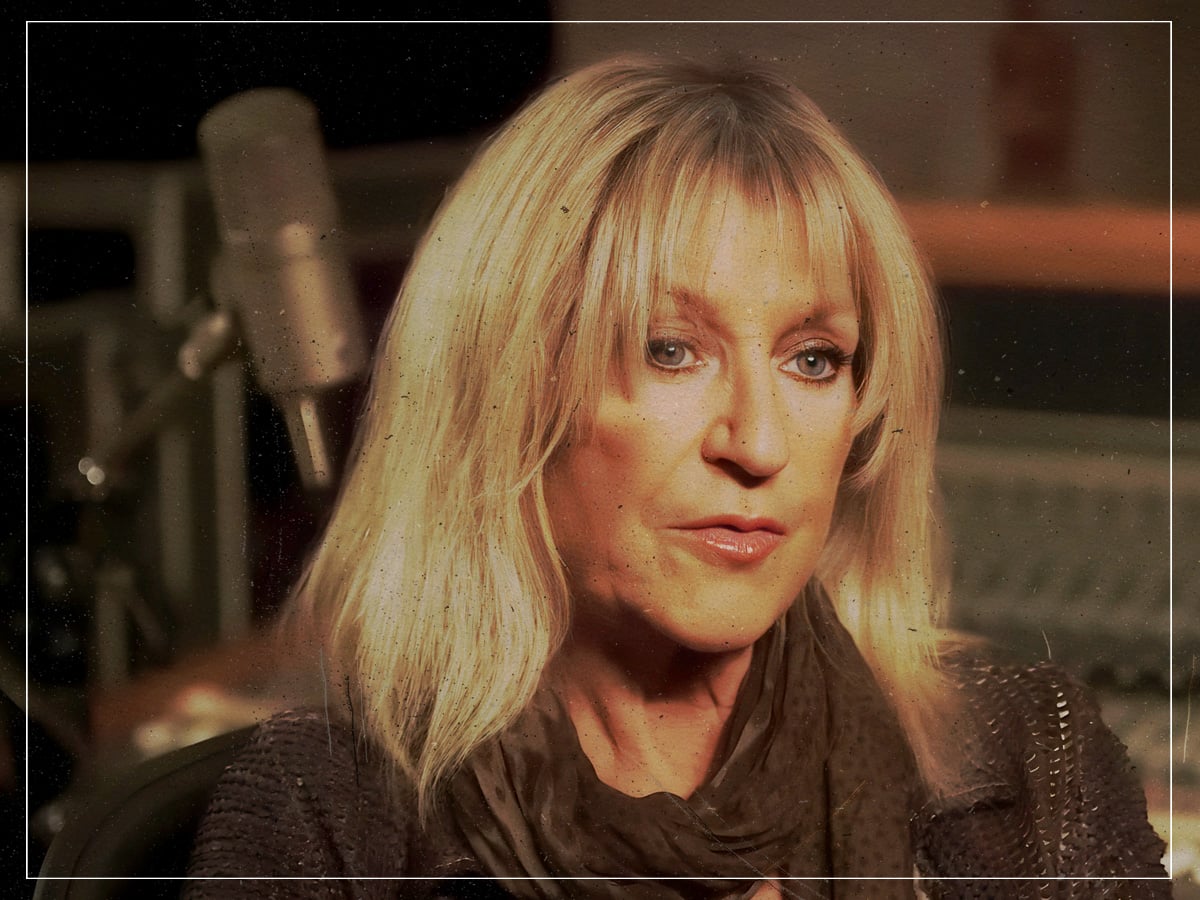
(Credits: Far Out / YouTube Still)
Sun 28 December 2025 16:08, UK
The entire lineup of Fleetwood Mac seemed to be a mess for most of their career.
Although the band members were able to play nicely whenever a show started, the backstage drama that went into every one of their greatest albums is enough to fill any daytime soap opera with multiple seasons of material. While each of the group’s songwriters may have been able to spin their pain into gold, Christine McVie wasn’t completely sold on one of their iconic tunes.
Compared to the rest of the classic lineup, McVie had been in the trenches with the group more than most. Although Mick Fleetwood and John McVie held together as the group’s backbone throughout every iteration of the band, it wasn’t until Christine joined them that everything started to veer towards the mainstream.
Despite starting in the blues rock scene, McVie’s songs often fluctuated between bluesy tone and pure beauty, depending on which album she appeared on. Although McVie was able to turn in outstanding songs with Bob Welch playing guitar by her side, it wasn’t until Welch moved on to pursue other outlets that the band would become the act we know and love today.
Bringing Stevie Nicks and Lindsey Buckingham into the fold, the band turned in songs with a California sheen, starting with colossal tracks like ‘Landslide’ and McVie’s own ‘Say You Love Me’. While things were going smoothly professionally, it wasn’t long until all hell broke loose behind the scenes.
 Fleetwood Mac at their peak. (Credits: Far Out / Alamy)
With Christine separating from John McVie and Buckingham and Nicks breaking up themselves, the recording of their album Rumours would be fraught with tension, from Buckingham dictating what he wanted to Nicks storming out of the studio during the making of the song ‘Second Hand News’. While the band may have taken their aggression out on each other, they channelled that anger into the songs.
Memorialising her time with Buckingham, Nicks would write ‘Dreams’ as an olive branch for their relationship, featuring brilliant use of Buckingham’s echoing lead guitar swells. While the rest of the band took kindly to the song, McVie initially thought it was too dull to fit with the rest of the material.
McVie’s instincts as a songwriter were often rooted in feel rather than drama. Where others in the band leaned into grand gestures and emotional volatility, she tended to favour subtle shifts and melodic warmth. That difference sometimes put her at odds with material that relied on atmosphere over movement, especially when a song felt underdeveloped on first listen.
At the same time, McVie had a deep appreciation for arrangement and patience. She understood that some songs revealed themselves slowly, taking shape only once each player found their role within the framework. Even when initial impressions fell flat, she was willing to trust the process, recognising that Fleetwood Mac’s strength often came from allowing simple ideas to evolve collectively rather than forcing them into shape.
When talking about the song later, McVie initially claimed there wasn’t much for her to do before Buckingham added his sonic touch, saying, “’Dreams’ developed in a bizarre way. When Stevie first played it for me on the piano, it was just three chords and one note in the left hand. I thought, This is really boring, but the Lindsey genius came into play, and he fashioned three sections out of identical chords, making each section sound completely different. He created the impression that there’s a thread running through the whole thing”.
Christine wasn’t the only one having trouble establishing the groove. When putting the track together, John McVie would be told to play a particular bassline throughout the entire song, keeping the track rooted to the ground and never playing anything too flashy. While many artists would find instructions like this confining, it takes a master’s touch like McVie’s to turn something from a simple idea into a timeless classic.
Related Topics