
(Credits: Far Out / Alamy)
Sun 28 December 2025 17:15, UK
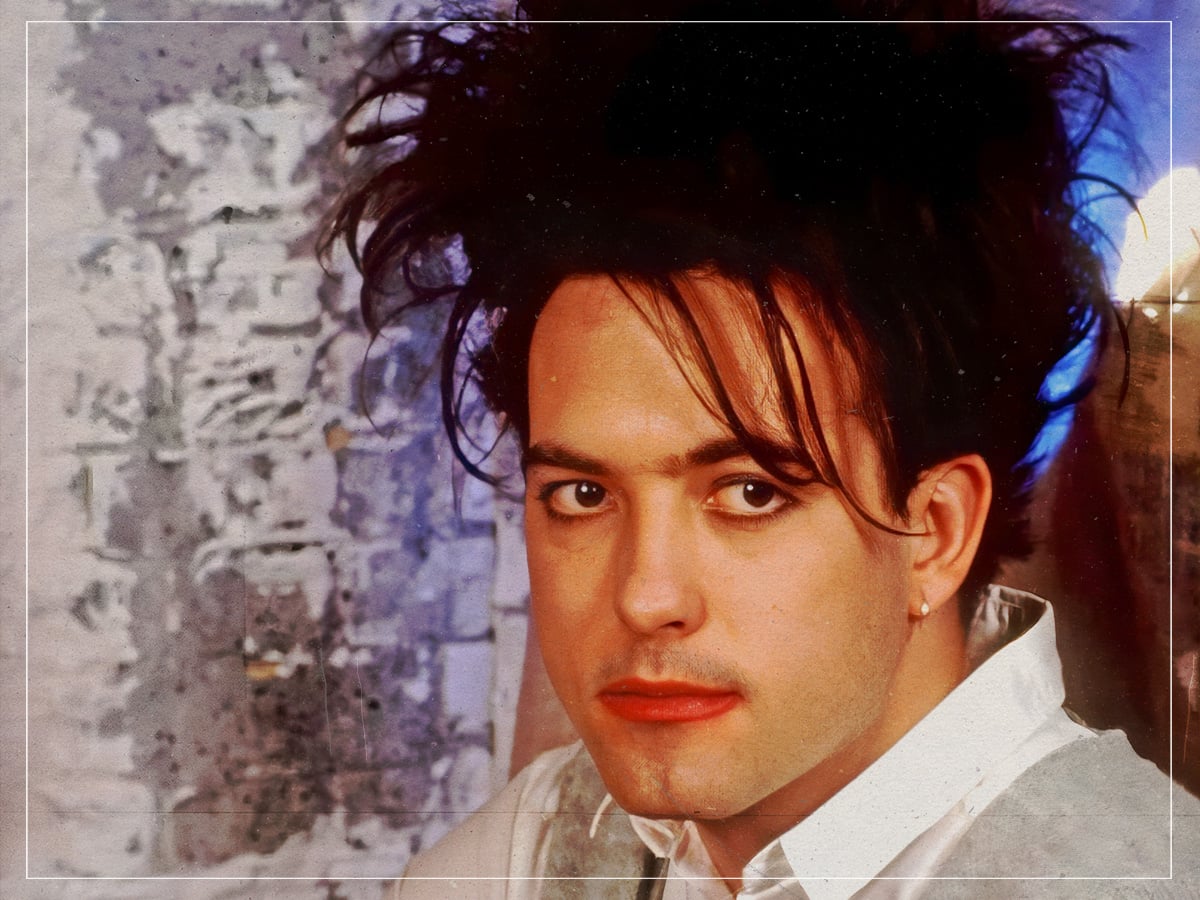
Being shy and reserved doesn’t always mean inattentive or lacking confidence; sometimes it’s merely a quiet arrogance and disdain for the world outside. Just ask Robert Smith.
If you’ve ever come across older interviews with the iconic Cure frontman, you’ll probably notice the subtle differences in how Smith talks about his own work. Where before, when Smith was sure of himself in the way he often turned his nose up at being boxed into a singular category or being seen as someone who has the answers to everything, there’s a more comfortable self-assuredness now, one that only comes from years of proving his position in a space more competitive than any other genre.
In those earlier moments, Smith’s confidence came from knowing that his music was good, and that, despite the odd exception here and there, there’s barely anything he would have changed. Obviously, we know now that there’s a lot more to the story, as is clear from the many times Smith has criticised his own singles and records and admitted all the things he would have changed had he had the chance.
Although they were no less honest, those previous reflections came from someone who had yet to know exactly what it means to sustain your own legacy and endure all the perils and setbacks that come with realising things could have been different. Or better, in some ways. For instance, Smith has spoken candidly in the past about why he doesn’t really like Three Imaginary Boys or 4:13 Dream, mostly because he didn’t have full creative control.
Smith could have just as easily felt the same way about Pornography, despite having more input on the record. Upon release, it was torn apart by those who claimed it to be just a musical drabble from someone who was too self-absorbed to create music that actually had substance. Obviously, we now know that that’s Smith’s main selling point, but back then, it was merely fodder for a flame that sought to burn Smith down to the ground.
Still, instead of letting bad reviews become a major setback or inform his own feelings towards the record, Smith took it in his stride and used it as ammo for his own internal arrogance. As he told Spin in 1987, “I’ve reached a point where I’ve been vindicated over certain things. Listening to our records like Pornography and Faith, I still think they’re good. They weren’t just the whims of this brat, even though they were horribly slandered. It’s good that there’s been very little I would change. That gives you confidence.”
He also clarified the difference between the confidence he feels and the type he sees in other musicians, using two of his rock peers as examples of the type that’s less charming and more of a complete turn-off. “I’ve always been horribly overconfident in anything I’ve done, almost to the point of arrogance,” he said.
Continuing, “I’ve always been naturally quiet, but even when I was starting and I was quite shy, I was always very arrogant with regard to what I was doing. But quietly arrogant, not an Ian McCulloch sort of arrogant or a Morrissey arrogant.”
Maybe his criticisms were warranted, but the bigger takeaway is that Smith had to develop a thick skin to oppose the constant scrutiny for being too “quirky” to be taken seriously. But beyond all that, he also had the type of confidence that came from knowing he had absolutely nothing to prove, not when it came to the types of stories he was telling in his music, the kinds that were completely stripped bare, stunningly honest, and deliciously macabre.
Related Topics