
It was a gorgeous sunny day in Melbourne on Monday, the scheduled fourth day of the Test. Out on the field, two Australian cricketers were being put through their paces with a round of sprints and run-throughs; the Trumble Bar and Café was doing some slack business, and the odd England supporter could be seen admiring the statues — Shane Warne, Dennis Lillee, Bill Ponsford et al — along the Parade of Champions outside the ground.
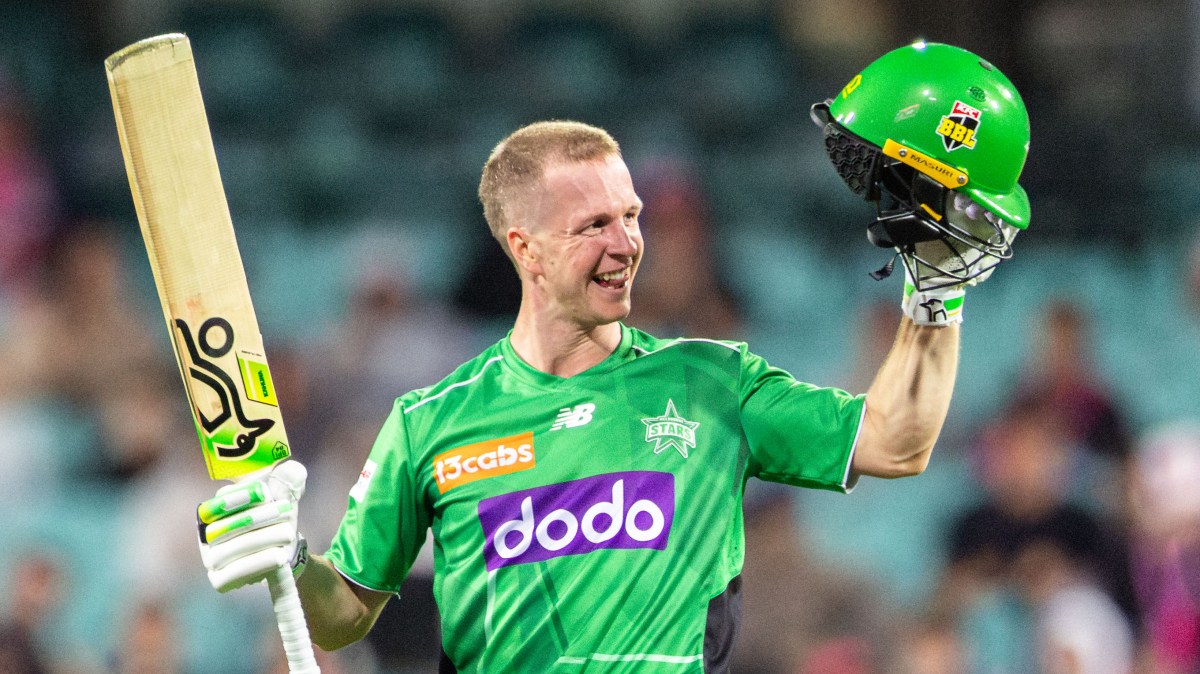
Of Test cricket, though, there was none. Losses for the truncated Perth and Melbourne Tests are estimated to be in the region of A$15million (about £7.45million) for Cricket Australia (CA). There is a broader context, intangible and incalculable, given the Boxing Day Test’s status as the showpiece occasion of the summer sporting calendar, but loss to the bottom line is roughly measurable. It comes at a significant moment in Australian cricket, with consideration being given to privatising the Big Bash League (BBL) at a time of financial constraint.
CA was sharply criticised in October by the chairman of Cricket Victoria, Ross Hepburn, over the state of its finances. There have been cumulative losses for the past six years, which have resulted in the reserves being whittled down to about A$22million. In the 2023-24 fiscal year, they announced a deficit of A$31.5million, paring that to A$11.3million in the last financial year. This was despite the visit of India for five Test matches, which broke attendance and viewership records, one of two marquee series over a broadcast cycle.
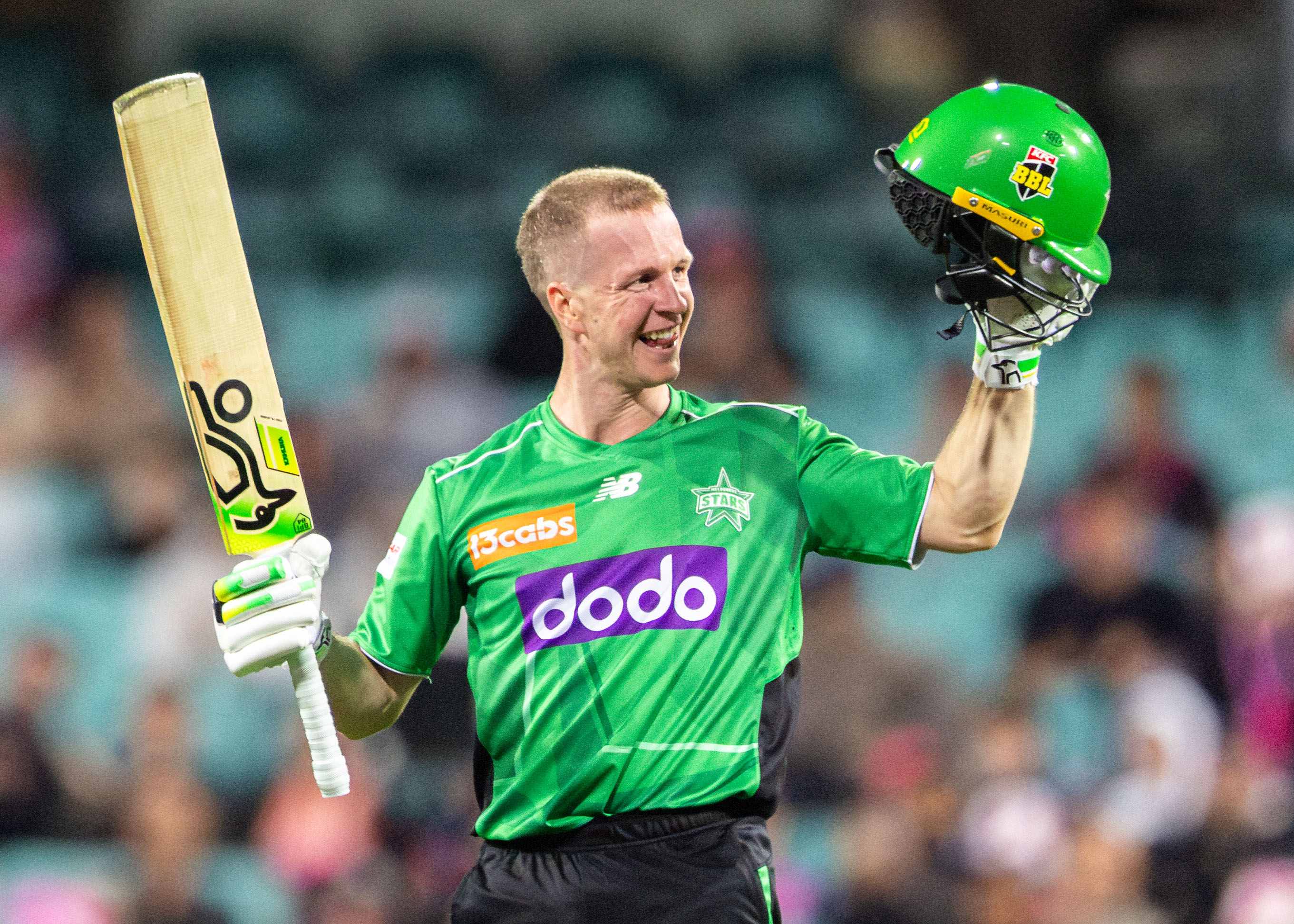
Cricket Australia has described the possibility of bringing private investment into the BBL franchises as “the biggest decision in generations”
STEPHANE THOMAS/ZUMA PRESS WIRE/SHUTTERSTOCK
Todd Greenberg, the chief executive of CA, has described the cost base of Australian cricket as “unsustainable”. He instigated a round of job cuts and reduced funding to areas like indoor cricket, which had been in receipt of CA cash for about 15 years. In response to Hepburn’s criticism, Greenberg also pointed to the bumper season to come, with eight white-ball matches against India and the Ashes, which would help reset the balance sheet.
“We are looking down the barrel of what I think will be the biggest summer in Australian cricket history by way of viewership, crowds and revenues,” he said. “Hang on to your hats, because next year we are going to have a record year in cricket.”
A brace of two-day Tests was certainly not part of that plan. Conversations about private investment into the BBL have been bubbling away for a long time, ever since its inception in 2011, but have been given added impetus by the losses since Covid and the recent gains realised by the sale of the Hundred. The BBL remains an outlier in the franchise world, being still owned outright by the governing body, and many here looked enviously at the money brought into English cricket last year, with more than £500million raised. Will CA take the same route?
After commissioning a report from Boston Consulting Group, that, among other matters, recommended private investment by selling minority stakes into the eight BBL franchises — along similar lines to the Hundred sale — the chairman of CA, Mike Baird, admitted that, while no decisions have been taken, such a move is under consideration if thought to be in the interests of players and spectators. “It is the biggest decision in generations. We have to get that right,” he said.
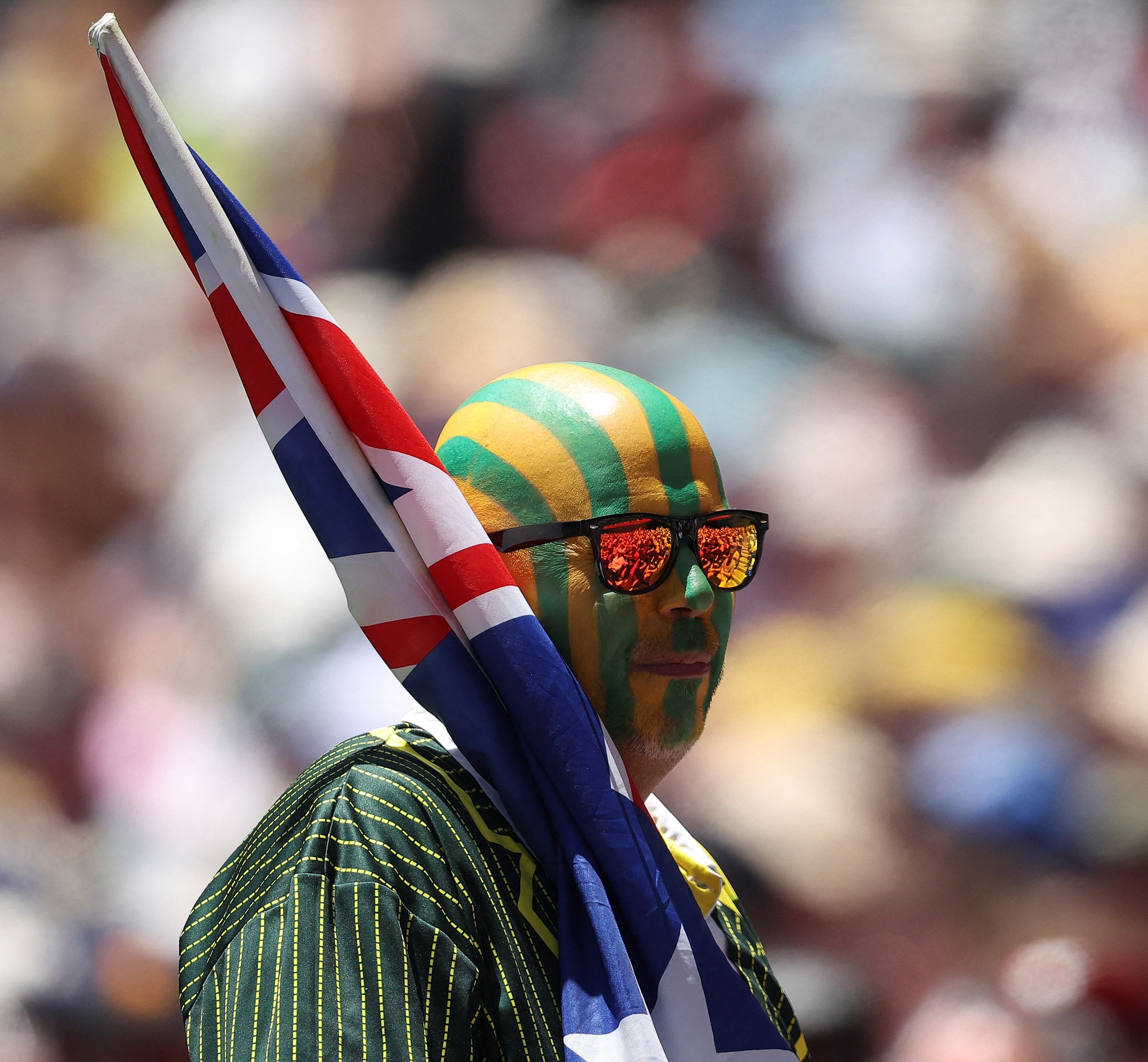
An Australian supporter cheers on his team during the MCG Test, but fans from both countries were left short-changed
MARTIN KEEP / AFP VIA GETTY IMAGES
They would be taking a wrong turn if they did take the plunge, in my view, as it could distort the best domestic structure in world cricket. While it would be hard to argue that the standard of domestic cricket here is as strong as it was in the 1990s, when I first came to Australia, it remains the envy of the world when seen through a high-performance lens. Besides, the consequences of private investment into English cricket are as yet untested.
Australia boasts a simple pyramid structure, deriving from a strong and broad base, courtesy of the game being the summer sport and central to the national conversation. It has a competitive professional structure, kept tight and lean by dint of there being only six states. And the national team is the pinnacle to which everything is geared. It is a system that continues to deliver serious, hardened cricketers capable of competing and winning on the world stage.
In response to the latest Ashes defeat, Andrew Strauss, the last England captain to win a Test series in Australia, made passing reference to the quality of the system here in urging change at home, after his own high-performance review was ignored three years ago (a high-performance review, it should be noted, that was not allowed to touch the Hundred, a format that is not played at international level).
“We have been badly mauled time after time over there because Australia are a better team, served by a better high-performance system. If we are genuinely serious about changing this depressingly one-sided story, then we need to look beyond sacking England coaches and captains and ask whether we are genuinely willing to make the changes necessary to break the trend,” Strauss wrote.
To illustrate his point, he noted that, since 2000, England have spent 12 months as the No1-ranked Test team. In the same time span, Australia have been top dogs for 166 months. Not only that, they have won five men’s World Cups and nine women’s World Cups. Why would Australia mess with a system that so obviously works?
Private investment could inherently disturb it. It would allow private owners, who may not have any affiliation or affinity to the game, an unhealthy degree of influence. No doubt they would demand a window for the BBL so that the national players would be more readily available, and, to attract the biggest names, the incentives would continue to be skewed more in favour of T20 and away from first-class and Test cricket.
That said, for those of us who would like to see more competitive Ashes series down under in future, we should encourage the move. MI Melbourne has a lovely ring to it, does it not? Brisbane Knight Riders and Sunrisers Sydney, the same. And think of all the moolah!