
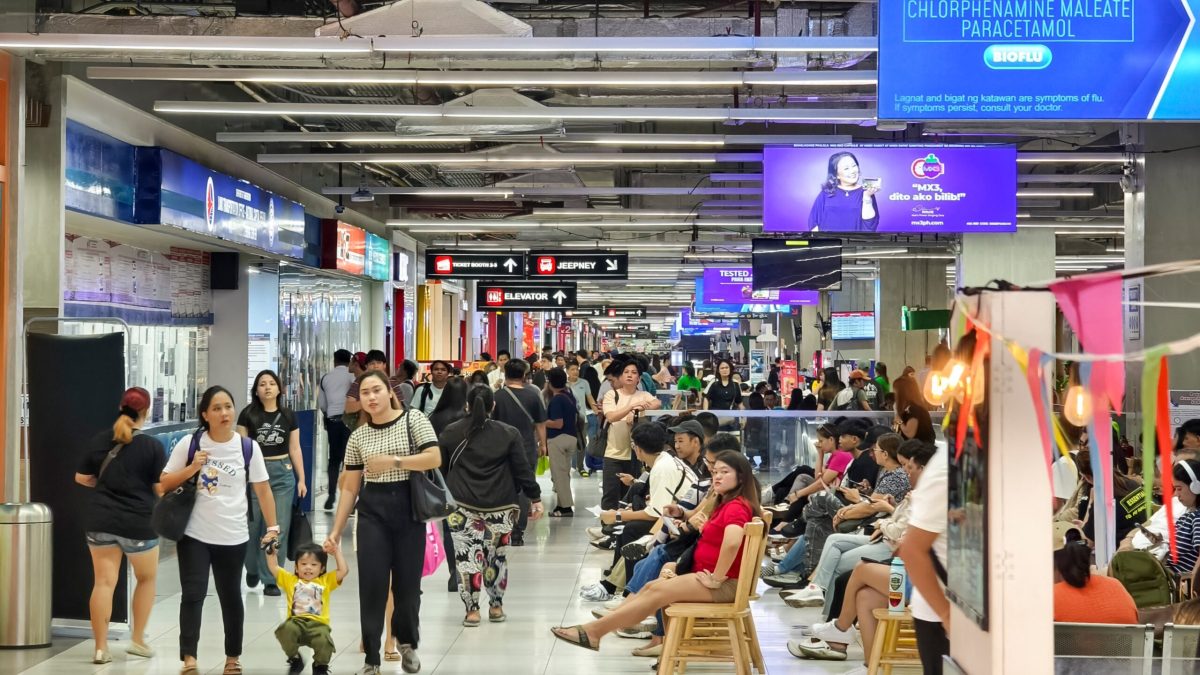
The Philippine economy is growing steadily, driven by domestic consumption and a stable labor market. Inflation is low, but sustaining growth needs strategic investment and labor upskilling.
Economic Growth and Stability
The Philippine economy is growing steadily, albeit at a slower pace compared to pre-COVID levels, driven by strong domestic consumption and a stable labor market. Inflation has eased below target, while global trade tensions have had minimal impact due to the economy’s focus on domestic structure and diversified exports. According to the ASEAN+3 Macroeconomic Research Office (AMRO), continued growth is supported by solid financial indicators like strong profitability and low non-performing loans. However, sustainable growth requires refining the growth strategy, enhancing investments to address climate shocks, and preparing the workforce for advancements in AI.
Economic Projections and Risks
AMRO anticipates a growth rate of 5.6% in 2025 and 5.5% in 2026, mainly boosted by robust private consumption. Inflation is expected to stay low, with CPI projected to rise from 1.8% in 2025 to 3.2% in 2026 due to easing food prices and tariff cuts. The current account remains in deficit, but fiscal consolidation continues. However, risks like US protectionist policies, slower partner growth, and potential inflationary pressures could affect this stability. Structural challenges such as pandemic effects and infrastructure gaps also constrain growth.
Policy and Future Strategies
Aligning fiscal and monetary policies to sustain stability and growth is essential. Fiscal policies should balance consolidation with infrastructure and human capital investments, while monetary policy becomes more accommodative post-interest rate hikes. Long-term strategies should focus on fiscal consolidation, infrastructure upgrades, and financial stability. Enhancing monetary policy effectiveness and refining growth strategies can bolster resilience to climate shocks and increase competitiveness. Continual upskilling of the labor force and improving the business environment are crucial for embracing technological advancements and attracting private investment. AMRO appreciates the Philippine authorities’ cooperation during their recent consultation visit.