
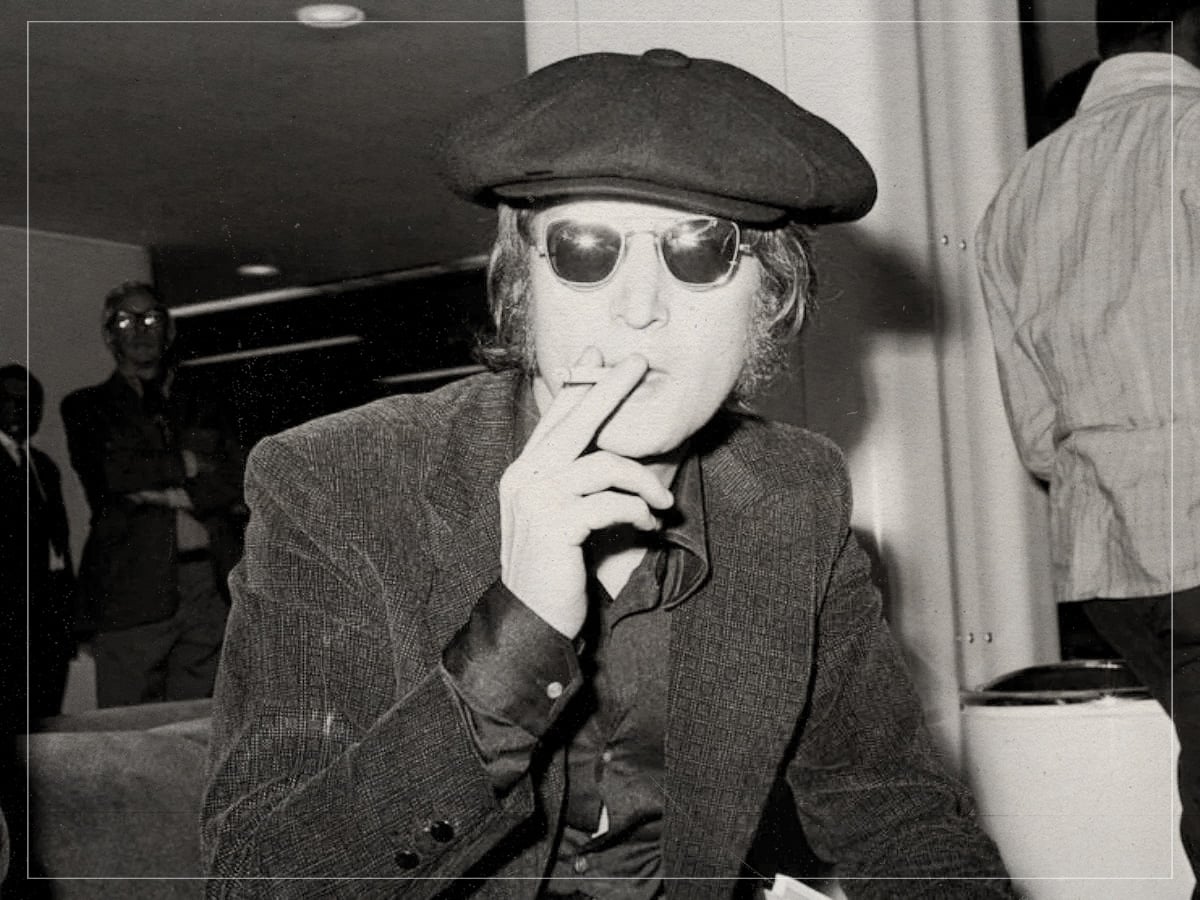
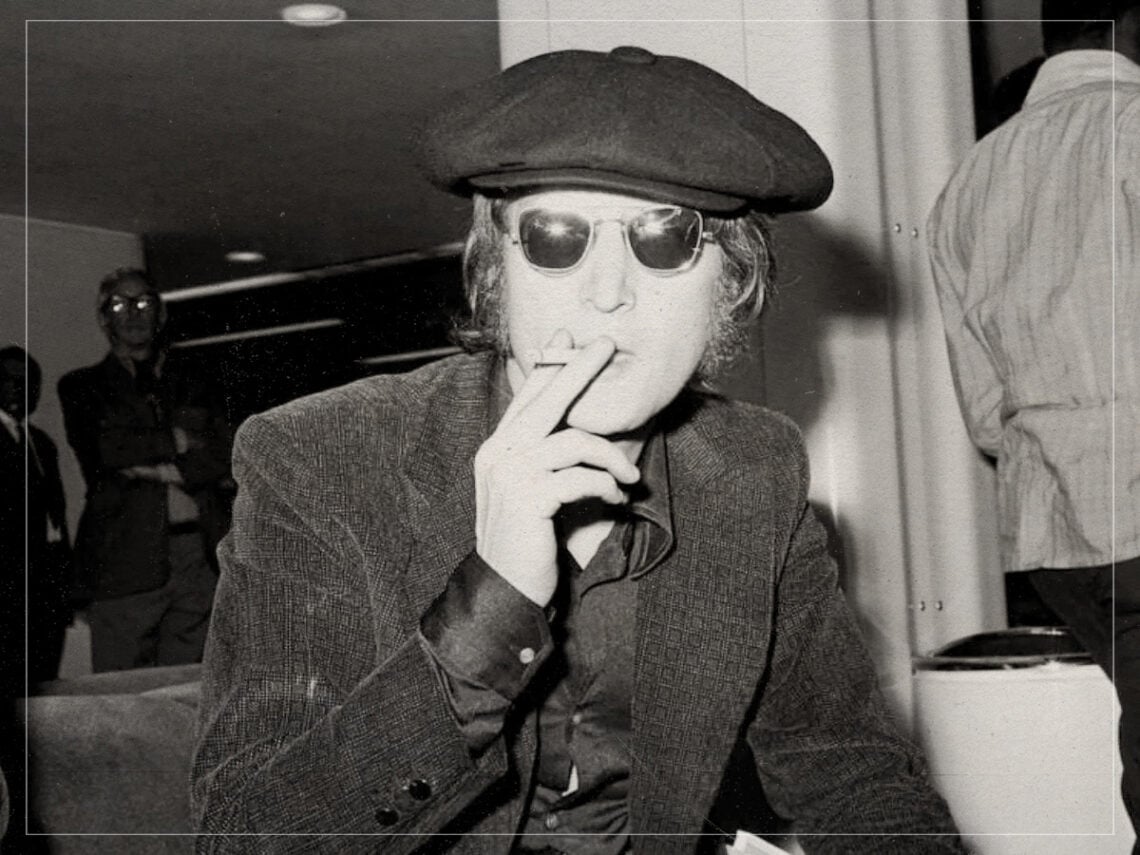
(Credits: Far Out / Alamy)
Tue 30 December 2025 17:54, UK
There are plenty of stories of songs John Lennon hated, but others usually write them. Especially at the end of The Beatles, he was more than happy to dish out critiques when it came to Paul McCartney’s songwriting efforts. But in this instance, his criticism was turned inwards when talking about one largely unknown cut.
Lennon would be glad for that. He surely would be more than happy that this track, which he hated writing and didn’t consider to be part of his real, worthy portfolio as a writer, has been lost to history. Even as he penned the song, he drew a line of separation between it and the rest of his music. His other works were artistry born out of effort and passion. This one was clearly an exercise in skill, designed to get the money and run.
It’s not an uncommon thing for an artist, even on the level Lennon was at, to be given a songwriting brief. It’s a pretty routine thing for even the biggest artists in the world to write songs either for other artists, like Prince did with ‘Manic Monday’, or for a purpose, whether it be an advert, a film, a company, or in Lennon’s case, a cause.
In this instance, the cause was John Sinclair, a writer, activist and former manager of the MC5. During the crackdown on drugs, especially within countercultural circles, Sinclair became a target. Sinclair was being followed by two undercover narcotics officers. After offering them a joint, he got a 10-year prison sentence for the offence.
The conviction caused outrage in the music and counterculture scenes. Anti-establishment figures and musicians alike gathered for Ten For Two, a protest rally in support of Sinclair. Every good protest needs a good protest song, so the task was given to Lennon.
 The icon John Lennon. (Credits: Far Out / Tony Barnard / Los Angeles Times / UCLA Library)
For Lennon, that distinction between inspiration and obligation mattered deeply. He saw songwriting not just as a skill, but as a form of personal truth telling, something that needed emotional urgency to feel worthwhile. When that urgency was absent, even a cause as politically charged as Sinclair’s failed to spark his imagination in the way his best work demanded.
That mindset explains why Lennon could be both fiercely political and strangely dismissive of certain protest songs. He believed in action and conviction, but he bristled at being asked to package those beliefs into something functional or utilitarian. If a song did not arrive organically, it risked becoming little more than a demonstration of competence rather than an expression of belief.
“They wanted a song about John Sinclair. So I wrote it,” he said of the track, aptly titled, ‘John Sinclair’. It seems that Lennon didn’t care all that much about the cause or the song, but the project was a good chance to prove just how capable of a songwriter he was as he was paid for play. It was a way of showing how skilled he was as he was able to write a song seemingly about anything at any given moment.
“That’s the craftsman part of me. If somebody asks me for something, I can do it. I can write anything musically. You name it,” he said, “If you want a style and if you want something for Julie Harris or Julie London, I could write it.”
This was a proven skill. In 1963, when the Stones had asked Lennon and McCartney for a song, they famously went off into a corner and wrote it there and then. “We came back, and that’s how Mick and Keith got inspired to write because, ‘Jesus, look at that. They just went in the corner and wrote it and came back!’” Lennon recalled, taking credit for Jagger and Richards stepping up as songwriters. “Right in front of their eyes, we did it. So we gave it to them.”
But while this was something Lennon could do, it wasn’t something he wanted to do as he made no secret of his hatred for the track and the way of working it demanded. “I don’t enjoy that kind of work. I like to do inspirational work,” he said. To him, the songs he wrote of his own accord on his own terms were artistry. On the other side, songs like ‘John Sinclair’ were merely work.
“I’d never write a song like that now,” he said in 1980, as the song quickly fell into forgotten history since the man it was about was released pretty soon after it came out.
Related Topics
The Far Out Beatles Newsletter
All the latest stories about The Beatles from the independent voice of culture.
Straight to your inbox.