
The American economy grew at an annualised rate of 3 per cent in the second quarter, beating estimates after imports fell back significantly over reduced tariff uncertainty.
A first estimate of output growth between April and June, annualised across the year, was higher than than the 2.4 per cent forecast by economists and a bounce back from the sharp 0.5 per cent GDP contraction recorded at the start of the year. The 3 per cent figure reflects a broad normalisation in trade patterns in the second quarter after US companies and households increased their foreign buying significantly at the start of the year to avoid potential tariffs.
It is the best GDP reading since the third quarter of 2024, which marked the run up to the US presidential election. Average annualised growth in 2025 is at 1.2 per cent, down on the 2.5 per cent recorded in the same period last year, pointing to a significant loss of momentum in the world’s largest economy.
• Even Trump’s sternest critics admit he’s winning his trade war
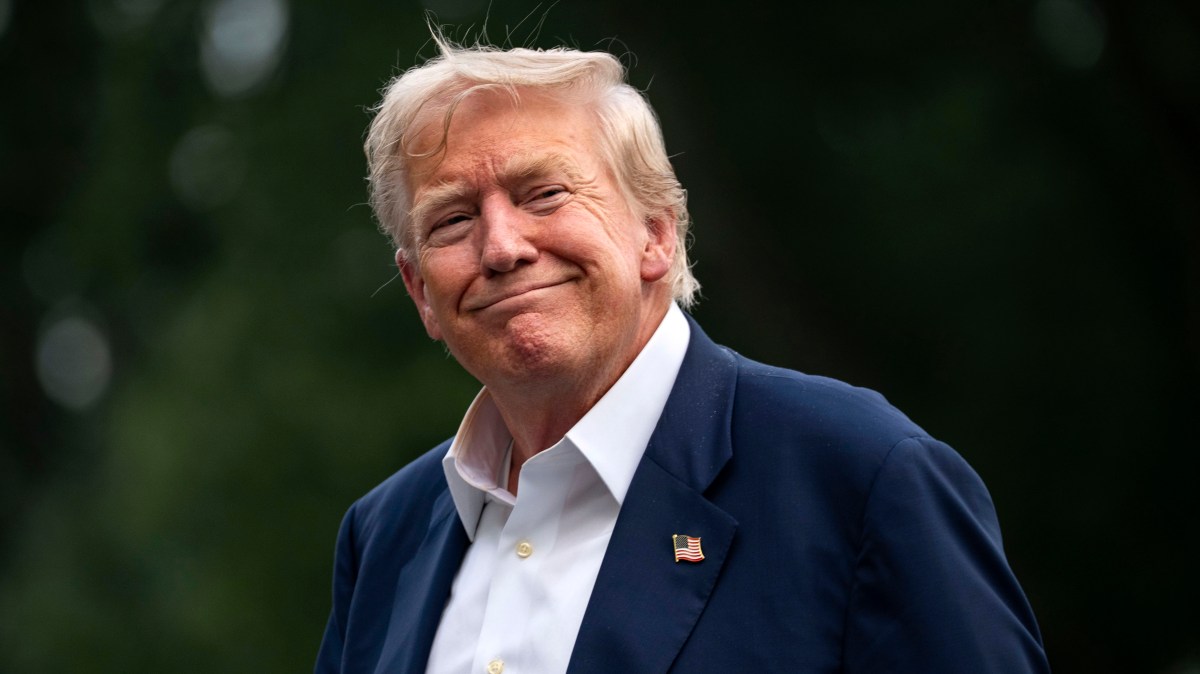
Writing on Truth Social, President Trump said the figures were “way better than expected!” and called on the Federal Reserve to immediately cut interest rates ahead of the central bank’s latest decision due on Wednesday at 7pm. “No Inflation! Let people buy, and refinance, their homes!,” the president wrote.
Economists warned that the headline 3 per cent growth figure masked the clear slowdown in the US economy, as tariffs have hurt business sentiment and the White House has said it will carry out migrant crackdowns, trade protectionism and cut taxes under the One Big Beautiful Bill Act passed earlier this month.
The US Bureau of Economic Analysis, which publishes the growth figures, said import volumes were down by 30 per cent in the quarter, compared with a 38 per cent jump at the start of the year, when companies were stockpiling goods to get ahead of potential tariffs. Net trade boosted growth by 5 per cent in the quarter, compared with the 4.8 per cent drag at the start of the year. Consumer spending also rose by 1.4 per cent on an annaulised quarterly measure and investment jumped by 1.9 per cent.
US government borrowing costs rose on the GDP figures, with yields on ten-year Treasury bonds gaining 0.05 percentage points to 4.37 per cent and 30-year debt up by 0.04 percentage points to 4.9 per cent. The dollar gained 0.6 per cent against a basket of major currencies as investors bet on the healthy GDP figures keeping interest rates unchanged in the coming months.
Olu Sonola, head of US economic research at Fitch Ratings, said the Federal Reserve would look through the volatile GDP numbers and instead focus on a measure of private domestic purchases which “now reflect a slowdown in the real private sector economy”.