
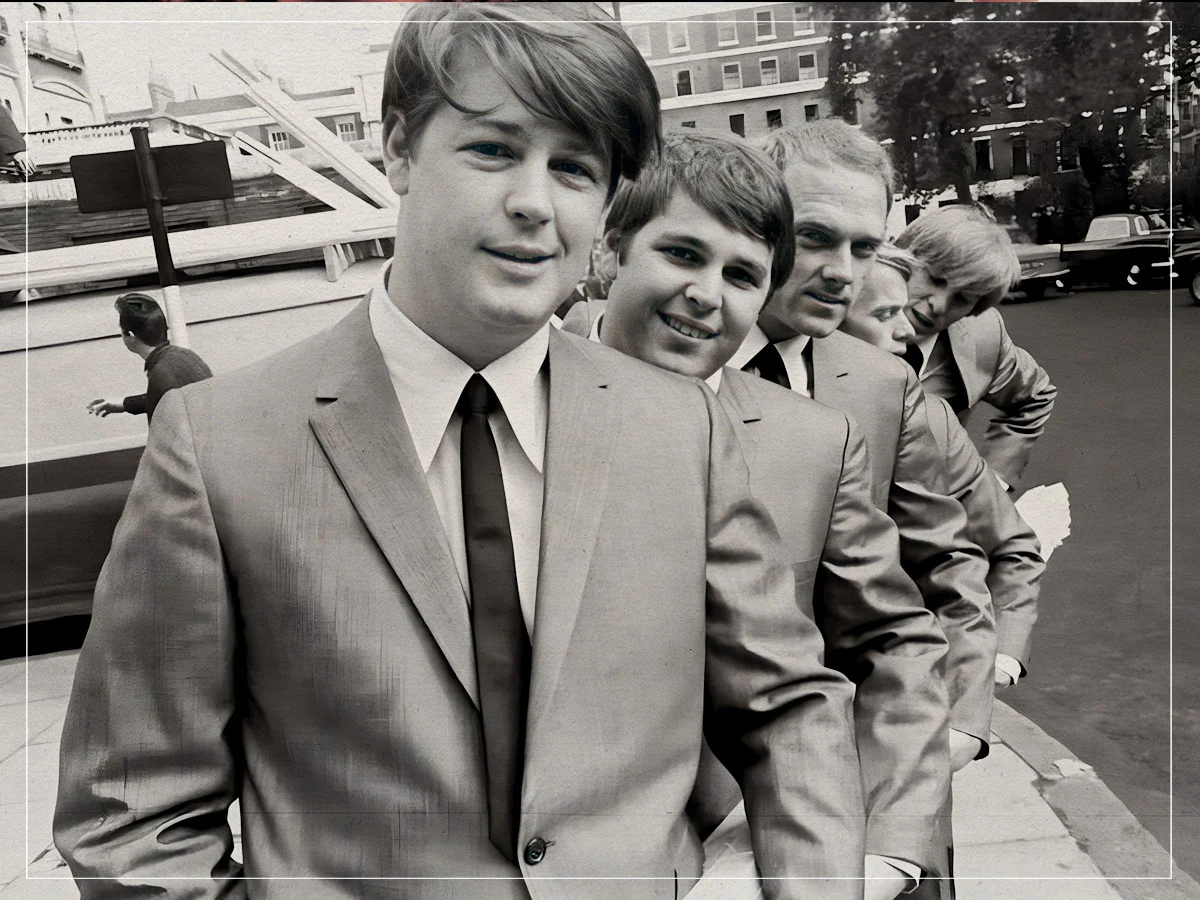
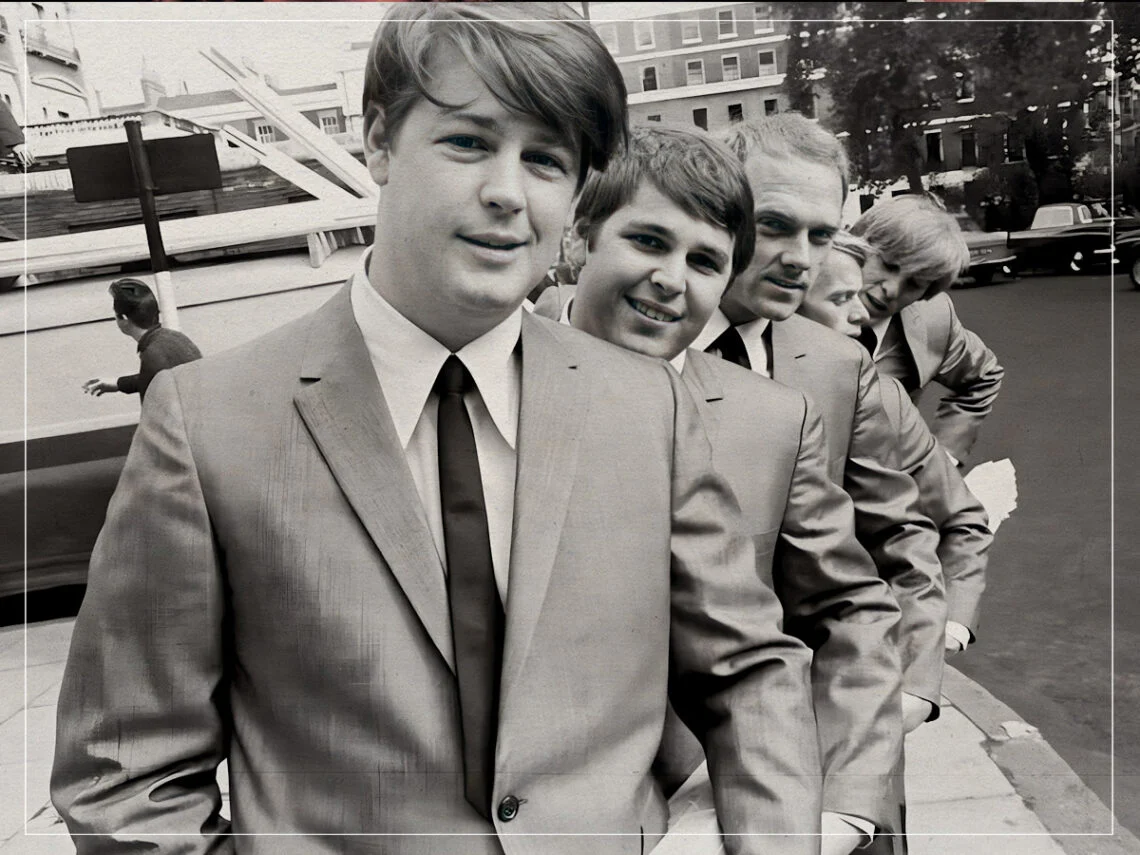
(Credits: Far Out / Alamy)
Tue 30 December 2025 18:15, UK
They might have hailed from a humble and sheltered beginning over in sunny California, but eventually The Beach Boys redefined what you could put to tape with the groundbreaking Pet Sounds in 1966.
Three years later, they were navigating the alternate meaning of that statement by getting raunchy in the studio for their 1969 album track ‘All I Want to Do’. Released as the B-side to ‘I Can Hear Music’, you could be forgiven for thinking that the flipside of that record should be called ‘I Can Hear Meg Ryan’.
That being said, you can’t say you weren’t warned by the sun-loving gang as the album notes for 20/20 clearly state: “Production Note: Turn up the volume on the fade for a brief X-rated surprise.” And there you have it, the sounds of intercourse so blatantly exaggerated that you get the visceral, immersive impression that you’re listening to two people acutely aware that they are in a recording studio making love for the purposes of an aural gimmick.
For all this snippet of lovemaking is fleeting – as many women might add, ‘fittingly so’ – it comes with a tangled and troublesome backstory. You see, while The Beach Boys might have initially stood aside the stream of counterculture rockers and their wild antics as a rather more wholesome, family gang, they soon wanted to wade in on the liberated zeitgeist. This led them into the world of California’s LSD scene and some of the shady characters therein.
How Wilson met Manson
In April 1968, our groaning Lothario, Dennis Wilson, was simply cruising along a sunny Malibu street when he was thumbed down by two female hitchhikers. The names Patricia Krenwinkel and Ella Jo Bailey might be known to some of the many true crime fanatics around these days, as they were associates of Charles Manson. Wilson, of course, was unaware at the time.
It wasn’t until he spotted the same duo hitchhiking once again, a few days later, that he would first hear that now infamous name. “I told [the girls] about our involvement with the Maharishi,” Wilson explained to the Record Mirror, “And they told me they too had a guru, a guy named Charlie [Manson] who’d recently come out of jail after 12 years.”
 Dennis Wilson of The Beach Boys. (Credits: Far Out / Alamy)
That glaring red flag was soon on Wilson’s doorstep when he returned from a recording session. The diminutive 5ft 6in criminal was waiting on Wilson’s driveway; meanwhile, inside the house, a dozen members of ‘The Family’ cavorted. This was, strangely, a welcome that Wilson seemed rather pleased with. He wasn’t all that bothered about his upholstery being spoiled. It embodied the liberated edge that The Beach Boys had been searching for.
Thusly, he struck up a friendship with Manson, retaining just enough of a cautious approach to be able to separate himself from the tragedy that lay ahead. As he coyly told the Record Mirror at the time in a piece controversially titled ‘I Live With 17 Girls’, “I don’t know why I’m telling you all this.”
Nevertheless, he did divulge that the two shared a creative kinship that he couldn’t deny: “When I met [Charlie] I found he had great musical ideas. We’re writing together now. He’s dumb, in some ways, but I accept his approach and have [learned] from him.” Given what would eventuate, it is remarkable to read these initial, innocuous mentions of him in the press, only a year before the Tate-LaBianca murders.
The pair would often trade tracks and record with each other. This is why many believe that when Wilson finished up producing ‘All I Want to Do’ and figured it was missing a few vital groans, it was actually a member of the Manson family whom he provided with them. Thus, it might only be a snippet of audio, but it is representative of a pivotal moment in the odd journey of The Beach Boys. It is the sordid peak of hedonism that they would live to regret.
While Brian Wilson’s venture into spiritualism, when he filled his entire apartment with sand, might have produced masterpieces like ‘God Only Knows’, as they ventured further into the Maharishi movement, they were pulled into the dark side of counterculture, and it came at a great cost.
For Dennis Wilson, the costly nature of the damning association was two-fold. “No, if anything, they’re supporting me. I had all the rich status symbols,” he said at the time of his financial support of the Family before their grisly crimes came to the fore. “Then I woke up, gave away 50 to 60 per cent of my money. Now I live in one small room, with one candle, and I’m happy, finding myself.” He might not bemoan that monetary loss, but he certainly regretted his dark ties.
Whether or not these ties really are physically embodied on ‘All I Want to Do’ remains a mystery. No formal ‘contribution’ log was made for the aural sex tape that permeates the otherwise pleasant experimental pop song. Wilson’s “x-rated” studio romp still remains recognised but anonymous, like a ghost in the static, symbolic of an era gone awry thanks to meddling forces we still don’t truly know the truth of, as Wilson himself attested shortly before his death.
Related Topics