
(Credits: Far Out / Dena Flows)
Tue 30 December 2025 16:31, UK
From almost blowing up a TV studio with cherry bombs to waging war against hotel rooms, The Who pretty much invented the anarchistic tenets of punk.
Only a few years earlier, Elvis Presley was being hauled over the coals for simply twisting his hips a little too suggestively, but now the English rock ‘n’ roll band were leading a far more liberated revolution for a new generation, and they were doing it in a defiantly influential style.
Even the band’s edgy fashion was evident in the roaring rally cry of punk that soon followed, and the members of The Who were very proud fathers of this glaring new movement. Pete Townshend said the London scene of the late 1970s was just about unrivalled in the whole of music history. “I mean it was unbelievable. It was absolutely unbelievable,” the windmilling guitarist claimed.
“Because the punks were just really total anarchy, the audience and the bands,” he adds, notably bringing the fans into the picture on an equal pedestal. “It was completely anarchistic, not destructive, just completely outrageously free,” he asserted. Many of these punks grew up listening to The Who. Their guitar-smashing ways, hellraising antics, and rollicking rock ‘n’ roll songs were a huge inspiration.
This came as little comfort when the new revolution threatened to overhaul them. “We were getting incredible accolades from some of the new punk bands,“ frontman Roger Daltrey recalled of the praise the likes of The Clash were heaping upon them when the late ’70s came around.
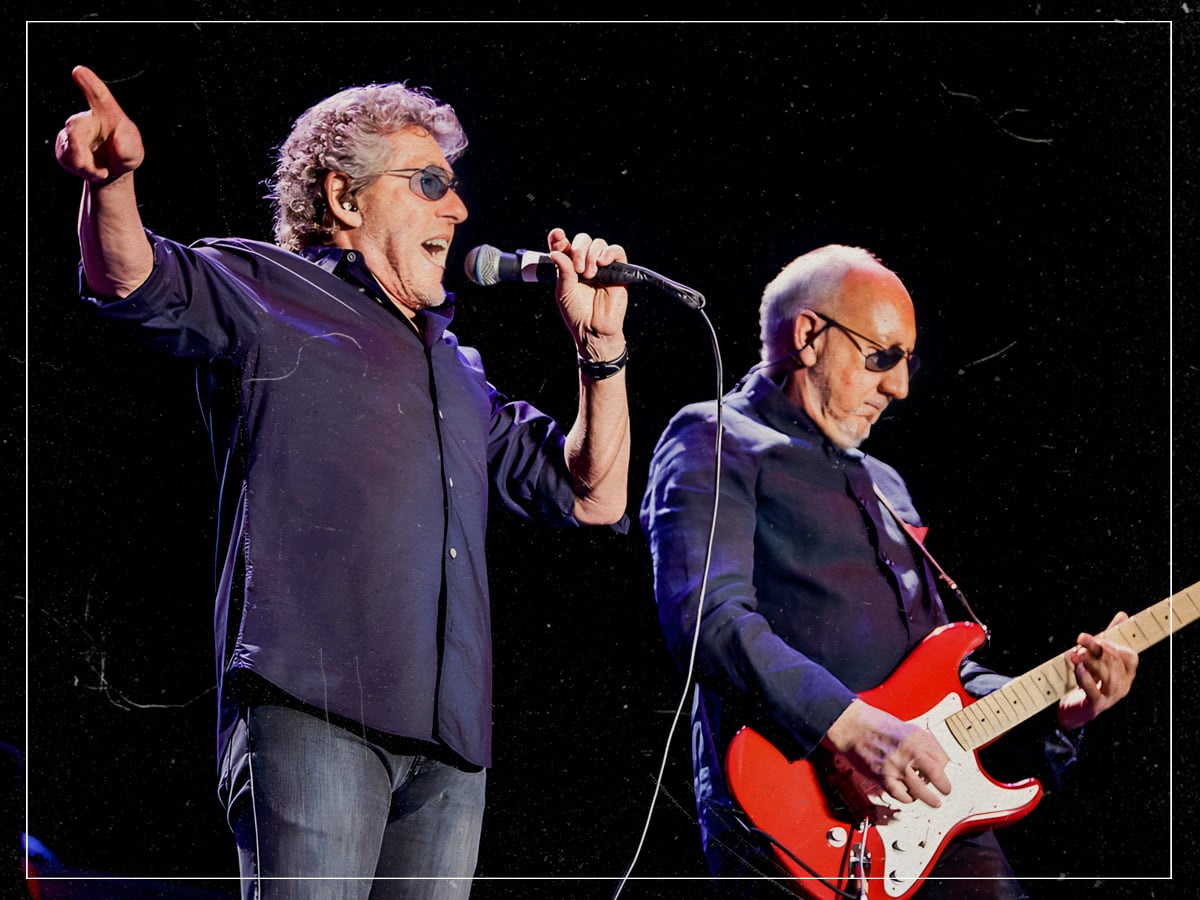
 Daltrey and The Who in their colourful pomp. (Credits: Far Out / Flickr)
“They were saying how much they loved The Who,“ the singer told Uncut, “that we were the only band they’d leave alive after they’d taken out the rest of the establishment! But I felt very threatened by the punk thing at first.”
Naturally, this praise warmed them to the cause. The band went from feeling threatened to feeling like the old forebearers, seeing their own legacy illuminated. All the same, this took a while to settle in. In fact, it took a tour with one of the leading lights to truly hit home.
”We toured with The Clash in 1982. We took them to the US with us, and I used to fucking love watching ’em. I’m still a huge Joe Strummer fan,” Daltrey recalled, reflecting similar lofty praise from Clash fans who still claim their live act remains unmatched.
They played a whopping 67 dates in America that year, and The Clash left them in awe when they shared a stage. That is saying something, given the plethora of talent who also played alongside them on the stateside jaunt. The likes of Jethro Tull, Joan Jett, Joe Jackson, and The B-52s were all also part of the run of shows, but none of them matched The Clash.
The punk band proved so viscerally adrenalising that it even impacted Daltrey’s singing as he attempted to match their billowing energy. “To me it was like, ‘Well, they think they’re fucking tough, but we’re fucking tougher.’ It unsettled me in my vocals,“ he recalled. The band were, indeed, a proverbial cat among the pigeons, and they led a revolutionary revival of what rock ‘n’ roll was all about. In this regard, they weren’t so different to The Who after all.
However, The Clash also learnt a thing or two that tour and vowed never to become a formulaic band. They saw the well-oiled machine of huge rock tours and battled against that commercially polished ethos.
Were the Clash the best live punk band?
While punk was upholding the virtues of rock ‘n’ roll, corporate rock was simultaneously rearing its ugly head in the mid-70s. ”There was a point around the time of Combat Rock that if we’d been prepared to become just another conveyor-belt rock band, we could’ve been huge. On one hand, there was our dignity, and on the other, Aerosmith,” Strummer comically quipped of the period. That’s a sentiment The Who would’ve undoubtedly abided by.
Understanding the importance of communal live music in its most animalistic sense was what drove The Clash to shimmering on-stage greatness. Jakob Dylan would heap praise upon them by saying, “I remember seeing The Clash at Sheffield Top Rank in 1977, and thinking ‘Wow!’… The excitement that came off the stage was phenomenal!”
Tom Morello similarly agreed. “The Clash performed with passion, commitment, purpose, righteousness, and an unflinching political fire,” he commented. “There was such a sense of community in the room, it seemed like absolutely anything was possible.” That’s what Bono ratified too, aptly summing it up as thus: “If The Clash could do it, you could do it.”
Far from diminishing their talents, that appraisal actually epitomises how they embodied the very purpose of art, let alone live music: to inspire… and these searing South London bastards could inspire a Buddhist monk to break a 40-year vow of silence, let alone leave Daltrey searching for a new lease within The Who.
Related Topics