
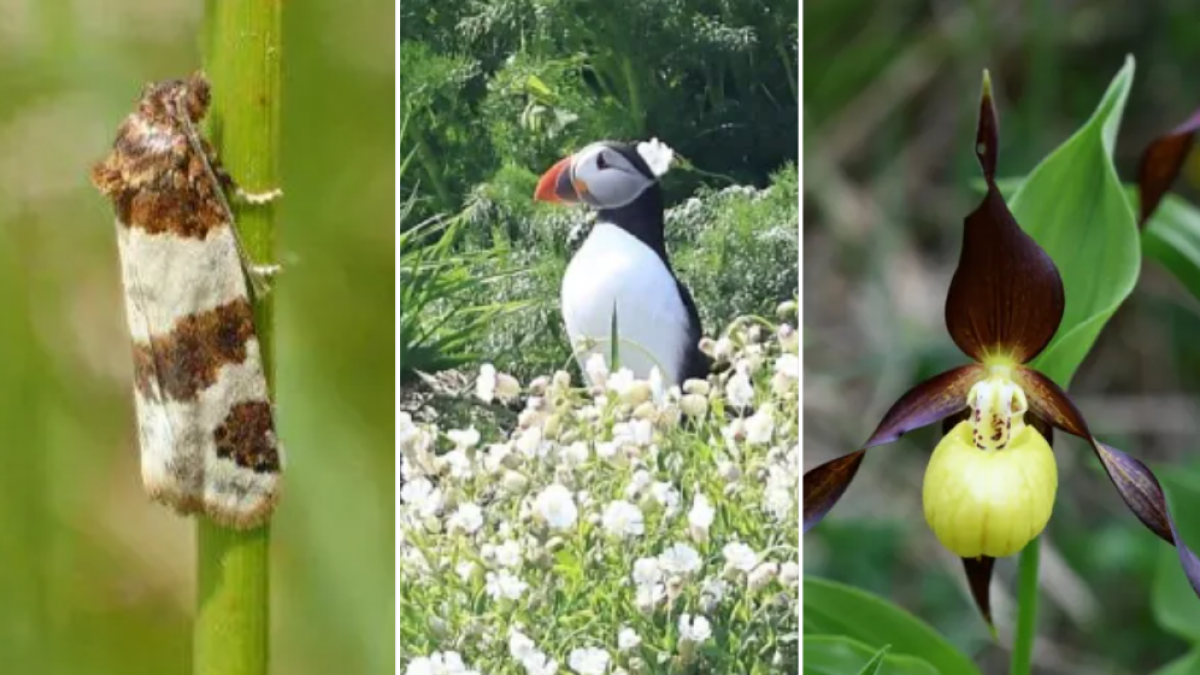
Britain’s biodiversity continues to decline at an alarming rate, but environmentalists say there are reasons to be cheerful
A moth previously believed to be extinct and an orchid not seen in the wild for almost 100 years are among the weird and wonderful species spotted in the UK this year.
Britain’s biodiversity continues to decline at an alarming rate, but environmentalists say there are reasons to be cheerful thanks to the return of some rare species to the British Isles.
“No matter how big or small, nature can and will bounce back when given the chance,” said Dr Rob Stoneman, director of landscape recovery at The Wildlife Trusts.
New FeatureIn ShortQuick Stories. Same trusted journalism.
Across The Wildlife Trusts 2,600 nature reserves, a number of threatened species are making a comeback, including puffins and rare butterflies.
Here’s some of the biggest discoveries across nature reserves this year:
‘Extinct’ moth and ‘Silence of the Lambs’ caterpillar
Periclepsis cinctana, a species of moth often referred to as the Tiree Twist, has been a souce of mystery for many years.
Not spotted in England since the 1950s, the species was believed to be extinct on mainland Britain, found only on the remote Scottish island of Tiree.
That was until June this year, when an ecologist happened upon an entire colony of the species at the Wildlife Trust’s Lydden Temple Ewell nature reserve in Kent.
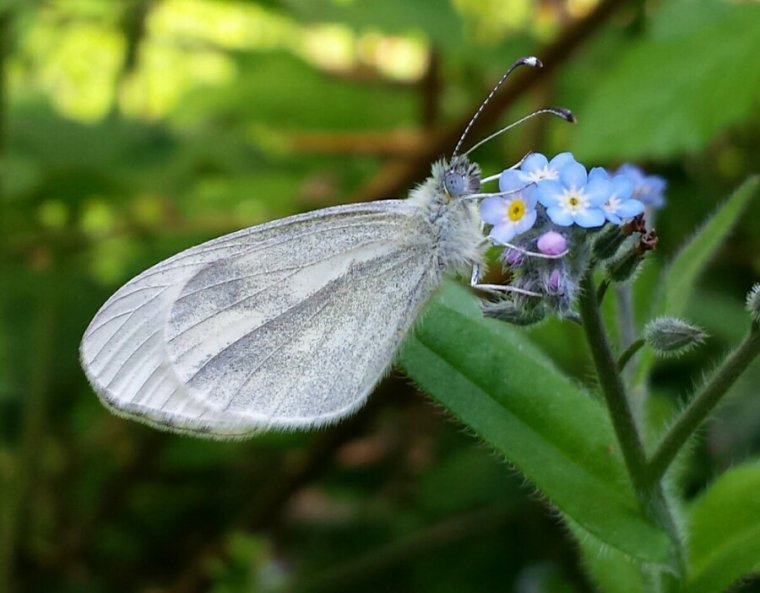 The endargered wood white butterfly is recolonising Wales (Photo: Herefordshire Wildlife Trusts)
Other exciting winged sightings of 2025 include one of the UK’s rarest butterflies, the wood white, which appears to be recolonising Wales after appearing at four separate sites this summer. An endangered species, its distribution in the UK has declined by 76 per cent between 1992 and 2019.
Meanwhile, the rare death’s head hawk-moth caterpillar, which features in the 1991 classic Silence of the Lambs, was recorded at Sussex Wildlife Trust’s Woods Mill nature reserve. The striking green and yellow caterpillar, which transforms into the largest moth recorded in the UK, is typically seen in southern Europe.
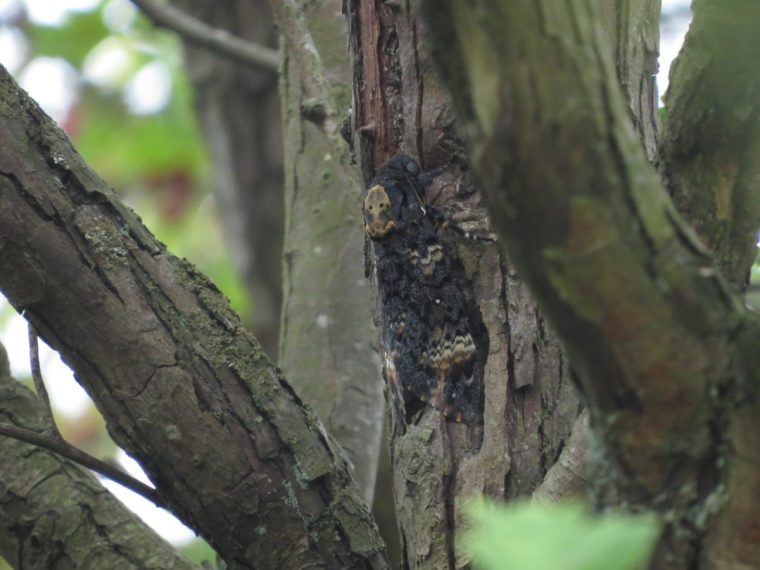 The rare Death’s-head hawk-moth, which appears on the iconic poster for the 1991 film The Silence of the Lambs, was spotted in Sussex this year (Photo: Lauren Hibbert)
Biodiversity in decline
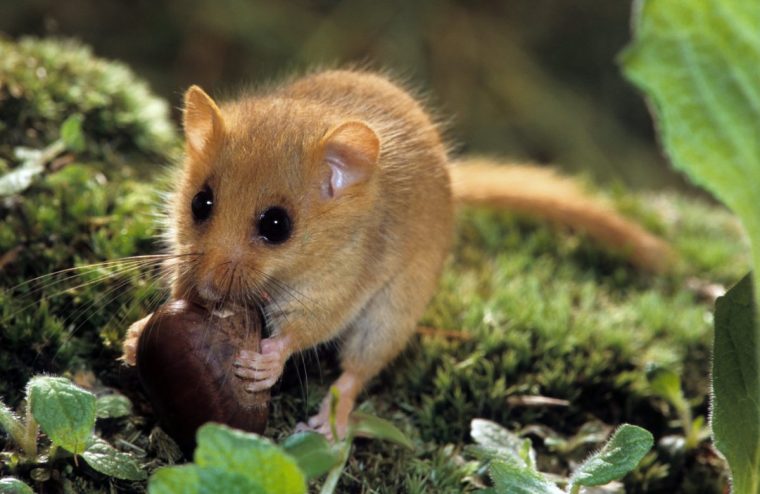 The hazel dormouse is one of hundreds of native species that are endangered in the UK (Photo: Arterra/Universal Images Group via Getty Images)
Despite this year’s discoveries, the overall picture is one of biodiversity decline in Britain.
The abundance of individual species studied in the UK has declined by an average of 19 per cent since 1970, while nearly one in six species are threatened with extinction.
A variety of factors, including urbanisation and intensive farming, have destroyed habitats and make it more difficult for many species to thrive on the British Isles.
Return of the lady’s slipper orchid
The lady’s slipper orchid was believed to be extinct until a single plant was discovered in the Yorkshire Dales in 1930.
Its location has been kept a closely-guarded secret for decades, with volunteers providing round-the-clock monitoring to prevent it being stolen.
Conservationists have been rearing new orchids, which were propagated at Kew Gardens’ laboratory and planting them into former haunts. This work has resulted in the discovery this year of the first naturally seeded lady’s slipper orchid in a century
In February, a rare fungus – the willow blister – was recorded for only the second time in England since 1876. The spotty fungus, which appears on a list of the World’s 100 Most Threatened Species, was seen on a coppiced willow tree at Rutland Water.
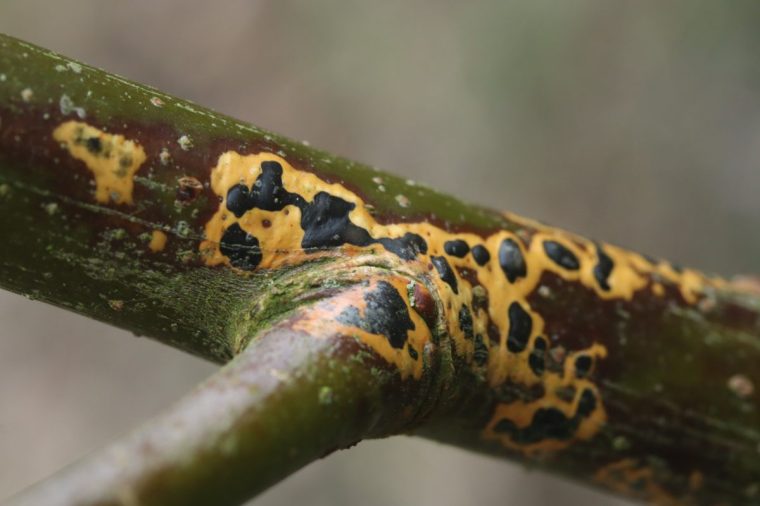 Willow blister fungus was recorded in the UK for just the second time since 1876 (Photo: Leicestershire and Rutland Wildlife Trusts)
Elsewhere, two rare and declining plants, petty whin and frog orchids, were discovered on the Rothbury Estate in Northumberland. Frog orchids were last spotted on the estate 35 years ago, but are now one of several species bouncing back following conservation efforts by The Wildlife Trusts, which is fundraising to buy the site.
‘Perfect storm’ threatening nature
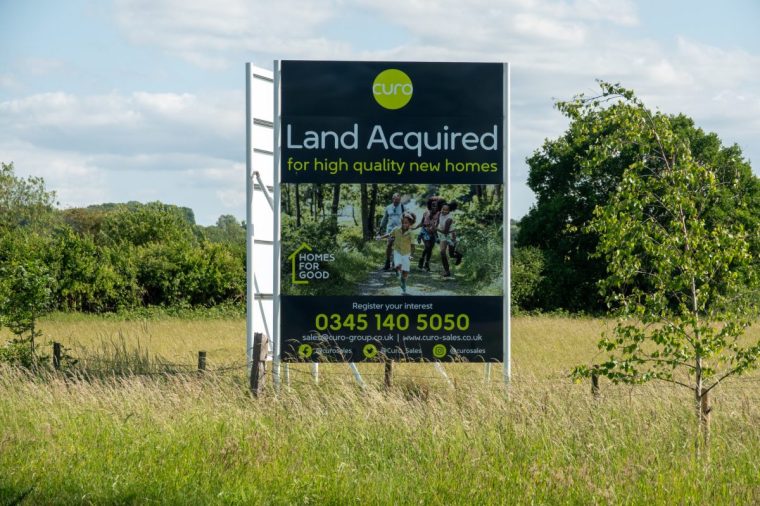 Nature groups say the Government’s housebuilding agenda is threatening biodiversity (Photo: Anna Barclay/Getty Images)
Nature groups, including The Wildlife Trusts and RSPB, are warning that a “perfect storm” is threatening nature thanks to the Government’s “Build Baby Build” agenda.
Over the past year the Government has made a number of changes to the planning system as part of efforts to boost housebuilding.
This includes the Planning and Infrastructure Bill, which will loosen environmental requirements on developers as long as they contribute to a Nature Restoration Fund.
Environmental groups have strongly opposed the legislation, which they say could lead to the destruction of rare habitats that cannot be replicated elsewhere.
Writing in The i Paper earlier this month, Director General of the National Trust, Hilary McGrady, accused the Government of using “nature as scapegoat for the UK’s poor record on building“.
Seabirds pay a rare visit
This year has also brought a number of rare sightings on birds, including a Caspian tern, which was seen at Rye Harbour nature reserve in East Sussex in June. The world’s largest tern, these birds are a very scarce visitor to the UK.
Autumn saw a number of surprising visitors, including a red-tailed shrike in Sussex, as well as an isabelline wheatear and black-faced bunting in Yorkshire. These three species are more typically found in Asia, but are believed to have been blown off course due to stormy weather.
Your next read

Meanwhile, puffins nested on the Isle of Muck in Northern Ireland for the first time in Ulster Wildlife’s 25-year history of managing the island’s seabird sanctuary.
“The many nature highlights from this year are testament to the efforts of our staff and volunteers working hard to restore habitats, reintroduce lost species and boost nature’s recovery across the UK,” Stoneman said.
“However, if we are to meet our international commitments to recover 30% of nature on land and at sea by 2030, we must restore, protect and connect many more spaces in which wildlife can thrive.”
How to restore Britain’s biodiversity
Restoring Britain’s biodiversity is a massive challenge that must be lead by the Government. However, there are many things individuals can do to help provide a home for nature to thrive:
Create a wildlife friendly garden: Instead of a tightly mown lawn, try planting native wildflowers in your garden to provide a haven for pollinators. Installing bird feeders and nesting boxes can help support Britain’s declining bird species.
Support nature charities: Conservation charities are always looking for volunteers to help with work, from tackling invasive plants to participating in species counts.
Think about what you eat: Farming processes can be harmful to nature so it is therefore worth looking for products that come from nature-friendly farms. Organic food is a good option as organic farmers don’t use pesticides, which are designed to kill insects.