
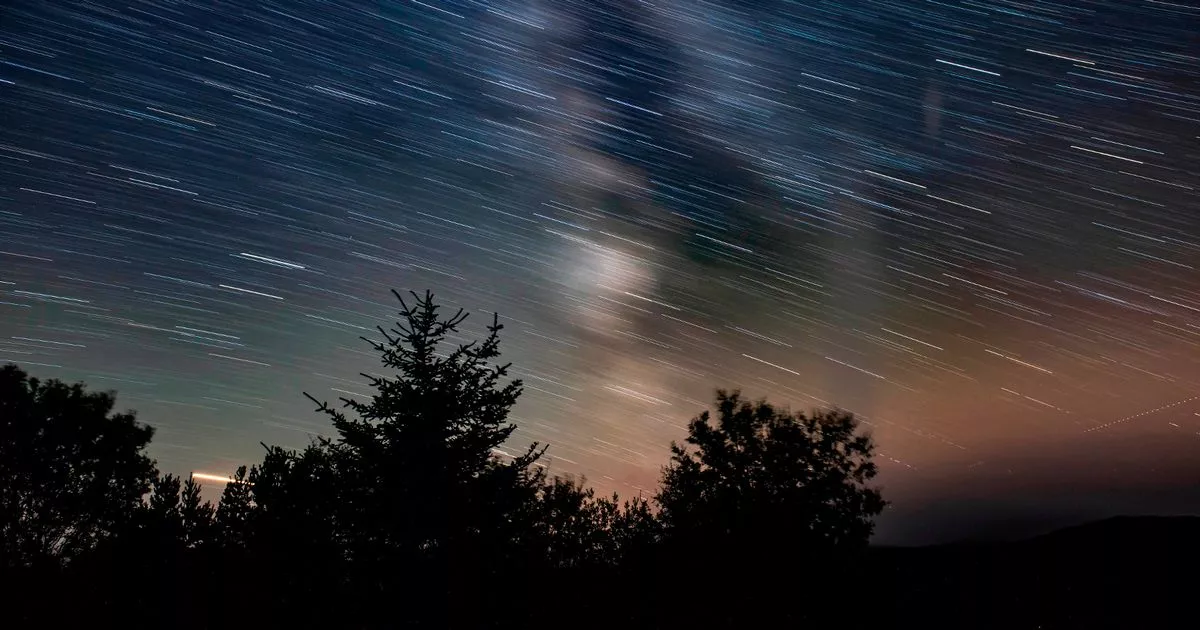
The Quadrantids will put on a show in the night sky this weekend as one of the biggest displays in the meteor shower calendar – here’s how to see them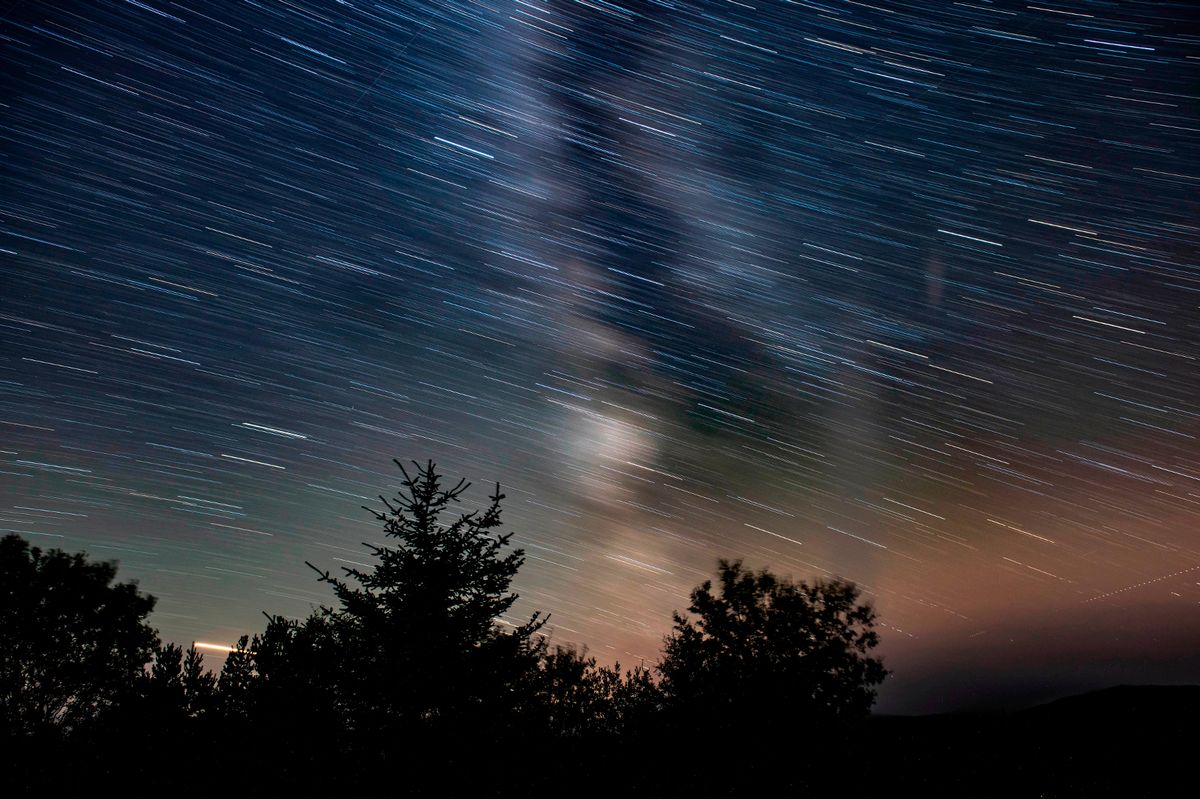 The Quadrantids will kick off the 2026 meteor shower calendar(Image: Sunday Mail)
Stargazers are in for a treat to kick off 2026 as one of the year’s biggest meteor showers peaks on the first weekend of January. More than 100 shooting stars every hour will brighten up the winter nights for a stellar start to the New Year.
The Quadrantids will reach their peak on the night of Sunday, January 4, appearing as blue or yellow-tinged white meteors with fine trains streaking across the sky. At a height of 120 meteors every hour, this is one of the “strongest and most consistent” showers to look forward to all year, according to Royal Museums Greenwich.
Although the Quadrantids have been active since Boxing Day and will continue up until January 12, this meteor shower is known for its sharp peak which lasts just a few hours. However, in 2026 the peak coincides with a full moon, so the light from this will make it more difficult to see the shooting stars.
Of course, cloud-free skies are also needed – and the forecast is favourable for the North East, with clear nights expected throughout the coming days. However, the Met Office has warned of “bitterly cold” temperatures with a snow and ice warning having been issued for the region, so anyone planning to go out and spot shooting stars will need to wrap up.
To see meteor showers at their best, it’s recommended to find a place away from light pollution, ideally in a wide open space where you can see the whole night sky. The Quadrantids appear to originate from the constellation Boötes near the Big Dipper, which is one of the easiest star patterns to spot with seven stars making up what looks like a giant ladle in the sky.
Our ChronicleLive Daily newsletter is free. You can sign up to receive it here. It will keep you up to date with all the latest breaking news and top stories from the North East.
Meteors are pieces of debris which enter our planet’s atmosphere at speeds of up to 70 kilometres per second, vaporising and causing the streaks of light we call meteors. And the Quadrantids are just the first of several showers to look out for this year.
It’s worth getting out to see the Quadrantids if you can stand to brave the cold, however, as this is the final show of the winter season. The next meteor shower will be in April, when the Lyrids arrive, while the next round of shooting stars peaking at over 100 per hour is not until the Perseids in August.
Here’s the full list of meteor showers set to take place in 2026, along with their activity window, date of their peak and how many shooting stars they have per hour at their maximum:
Quadrantids: December 26 – January 12. Peak date: January 4. Peak rate: 120 per hourLyrids: April 16 – 25. Peak date: April 22. Peak rate: 18 per hourEta Aquariids: April 19 – May 28. Peak date: May 5. Peak rate: 40 per hourAlpha Capricornids: July 3 – August 15. Peak date: July 30. Peak rate: 25 per hourPerseids: July 17 – August 24. Peak date: August 12. Peak rate: 150 per hourDraconids: October 6 – 10. Peak date: October 8. Peak rate: 10 per hourOrionids: October 2 – November 7. Peak date: October 22. Peak rate: 15 per hourTaurids: October 20 – December 10. Peak date: November 12. Peak rate: 5 per hourLeonids: November 6 – 30. Peak date: November 17. Peak rate: 15 per hourGeminids: December 4 – 20. Peak date: December 14. Peak rate: 120 per hourUrsids: December 17 – 26. Peak date: December 22. Peak rate: 10 per hour Join our WhatsApp communities
ChronicleLive is now on WhatsApp and we want you to join our communities.
We have a number of communities to join, so you can choose which one you want to be part of and we’ll send you the latest news direct to your phone. You could even join them all!
To join you need to have WhatsApp on your device. All you need to do is choose which community you want to join, click on the link and press ‘join community’.
No one will be able to see who is signed up and no one can send messages except the ChronicleLive team.
We also treat our community members to special offers, promotions, and adverts from us and our partners.
If you don’t like our community, you can check out any time you like. To leave our community click on the name at the top of your screen and choose ‘exit group’.
If you’re curious, you can read our privacy notice.
Join the ChronicleLive Breaking News and Top Stories community
Join our Court & Crime community
Join the Things to do in Newcastle and the North East community
Join our Northumberland community
Join our County Durham community
Join our Great North Run community