
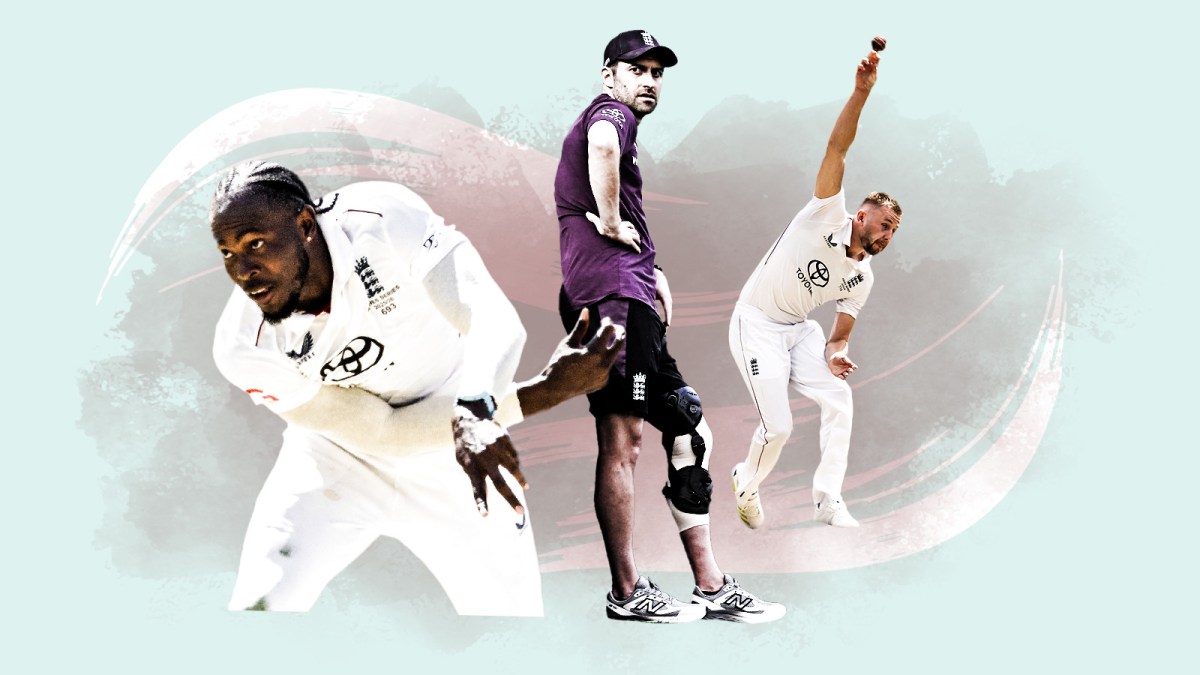
Amid all the debate about England’s failure to prepare properly for the Ashes, the gravest misjudgment relates to the fast-bowling group. Fast bowlers, when fit and match-ready, can get through a lot of work, but when they are not they can break down at any time and in the space of four Tests on this tour, three of England’s first-choice operators had their series ended by injury.
Mark Wood was done having sent down only 11 overs in the first Test, Jofra Archer after bowling 80 overs across the first three Tests, and Gus Atkinson after getting through only 73 overs, also spread across three matches. These are pretty trifling workloads and indicate something was amiss.
Many good judges think there is a direct link between these injuries and England’s reluctance to let their pace men bowl outside the international arena — and in the case of Archer there is hard evidence to this effect.
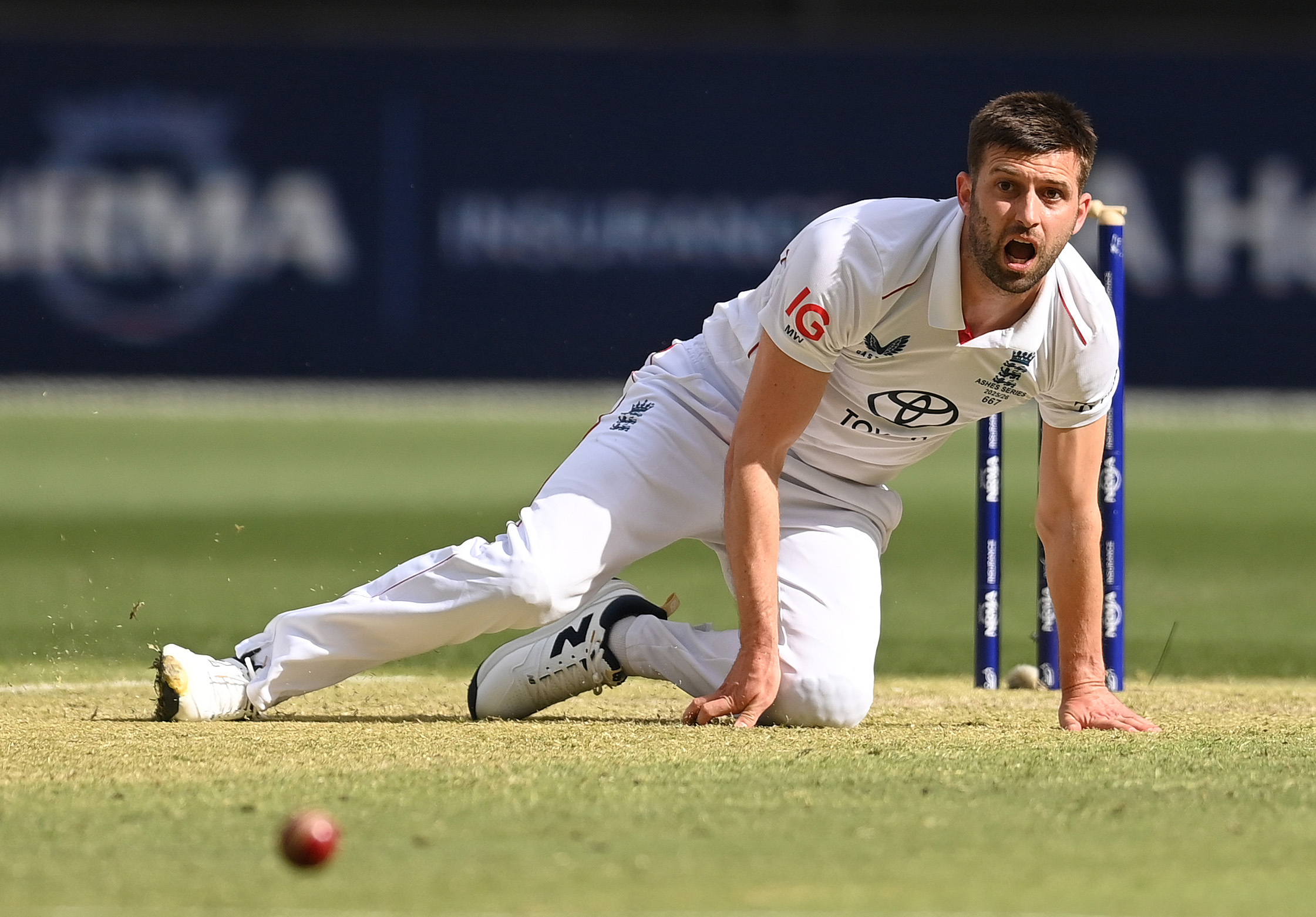
Wood was rushed back after knee surgery and lasted only 11 overs — a gamble that quickly unravelled
PHILIP BROWN/GETTY IMAGES
In Wood’s case, there was no decision to make because he was always racing for fitness after undergoing knee surgery in March. He initially hoped to return for England in July, then for Durham in September, but his knee adversely reacted in training and in the end he first bowled in a match situation during the Lilac Hill warm-up a week before the Ashes began.
England insisted Wood was someone who did not need much match time to be capable of bowling well in a Test match; that was true, but he did need to be physically ready to actually bowl in the first place, and he was not. This always looked like a wild punt, and so it proved.
With the other two, it was different. After playing in the Oval Test that ended on August 4 — and which was his only appearance in the five Tests against India due to a right hamstring injury — Atkinson bowled only 97.4 overs in 15 weeks leading into the first Test in Perth (or 39 balls a week). Archer’s load was even lighter after playing the fourth Test against India: in the next 16 weeks up to Perth he bowled 84.3 overs (or 32 balls per week).
Archer might have bowled more but towards the end of the Hundred there was a fierce spat between those who ran Southern Brave, Archer’s franchise, and England about whether he should play in the Brave’s final group game. Central contracts do not apply during the Hundred, so England had no formal control over the situation, but it is believed that they simply encouraged Archer to plead a minor niggle to excuse himself from playing, which is what happened.
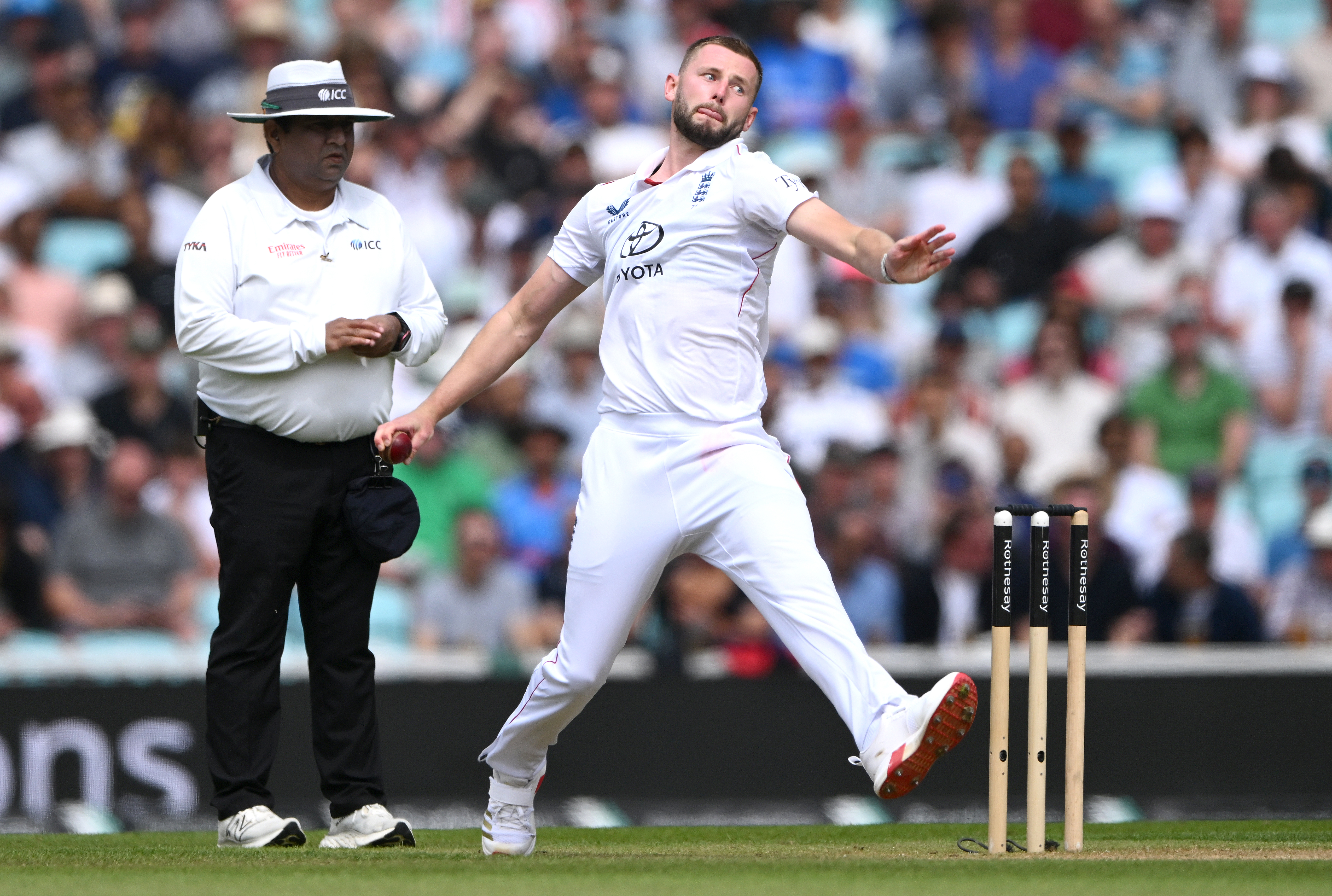
Atkinson bowled sparingly in the months before the series, and has been unable to withstand the physical demands of the tour
STU FORSTER/GETTY IMAGES
It seems a deep-seated belief in this England set-up that fast bowlers are best off not actually playing cricket; history and experience, though, would largely point the other way. While it is true that England’s pace attack started the series well, dismissing Australia for 132 in 45.2 overs, it proved a false dawn. They were not robust enough to sustain it.
It is worth noting that when Stuart Broad broke down during the 2010-11 Ashes he had already bowled 79.5 overs in 1½ Tests, and when Darren Gough did so in 1994-95 he had bowled 152.5 overs in three Tests. They got injured, but they were certainly fit enough to get through plenty of work first.
The irony is that conditions here have demonstrated what England should already have known: that high pace is not really the way to win in Australia these days because pitches are now better suited to fast-medium bowlers. If Matthew Potts plays in Sydney in place of Atkinson, as he is expected to do, and does well operating at about 82-84mph, it would only reinforce the impression that England got their tactics wrong from the outset — and that they really need not have gambled on Wood.
Ben Stokes and Matthew Fisher, who was added to the squad after Wood went home, were the only fast bowlers on duty at a rain-affected New Year’s Day training session, with the six players who attended forced indoors.
In the past the likes of Broad, James Anderson and Chris Woakes knew through long experience how much work they needed to do to be ready for a big Test series. At the start of an English summer, this would generally involve a number of championship matches, but the pattern was obviously harder to replicate before a winter tour.
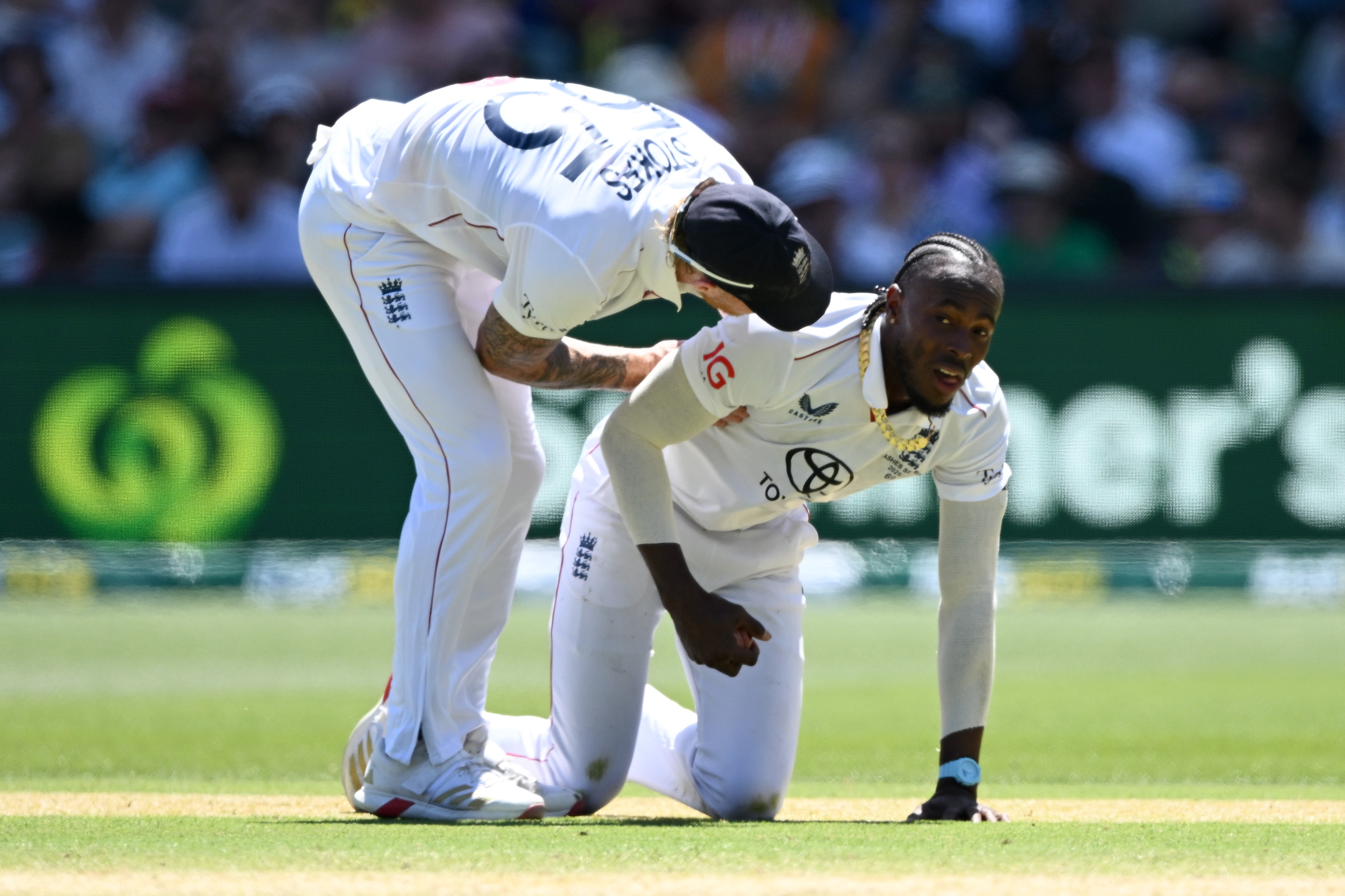
Archer managed three Tests before his series was curtailed, having arrived short on red-ball playing time
GARETH COPLEY/GETTY IMAGES
As Test specialists, Anderson and Broad were better placed to access red-ball cricket with their counties. Woakes liked game time but it helped that he was a multi-format player, so could build up his loads in different environments. Whether some of the newer members of England’s squad know their games as well is a moot point.
This is where the decision taken by this management group to do away with a full-time fast-bowling coach in favour of short-term appointments — David Saker is the specialist for this tour — may also be hurting players. They need to build up a rapport with someone who gets to know their game intimately, and help determine what the best preparation looks like.
Saker fulfilled that role well in the past, but the playing group has moved on and Saker’s ability to make a meaningful impact is limited.
It is also telling that we have not had an England tour this badly affected by fast-bowling injuries for a long time. In the days before central contracts, bowlers often broke down because they were bowling a lot of overs in county cricket. The Ashes tours of 1990-91 and 1994-95 had a high turnover of bowlers but since then the only one that compares with this is 2002-03, not long after contracts were introduced.
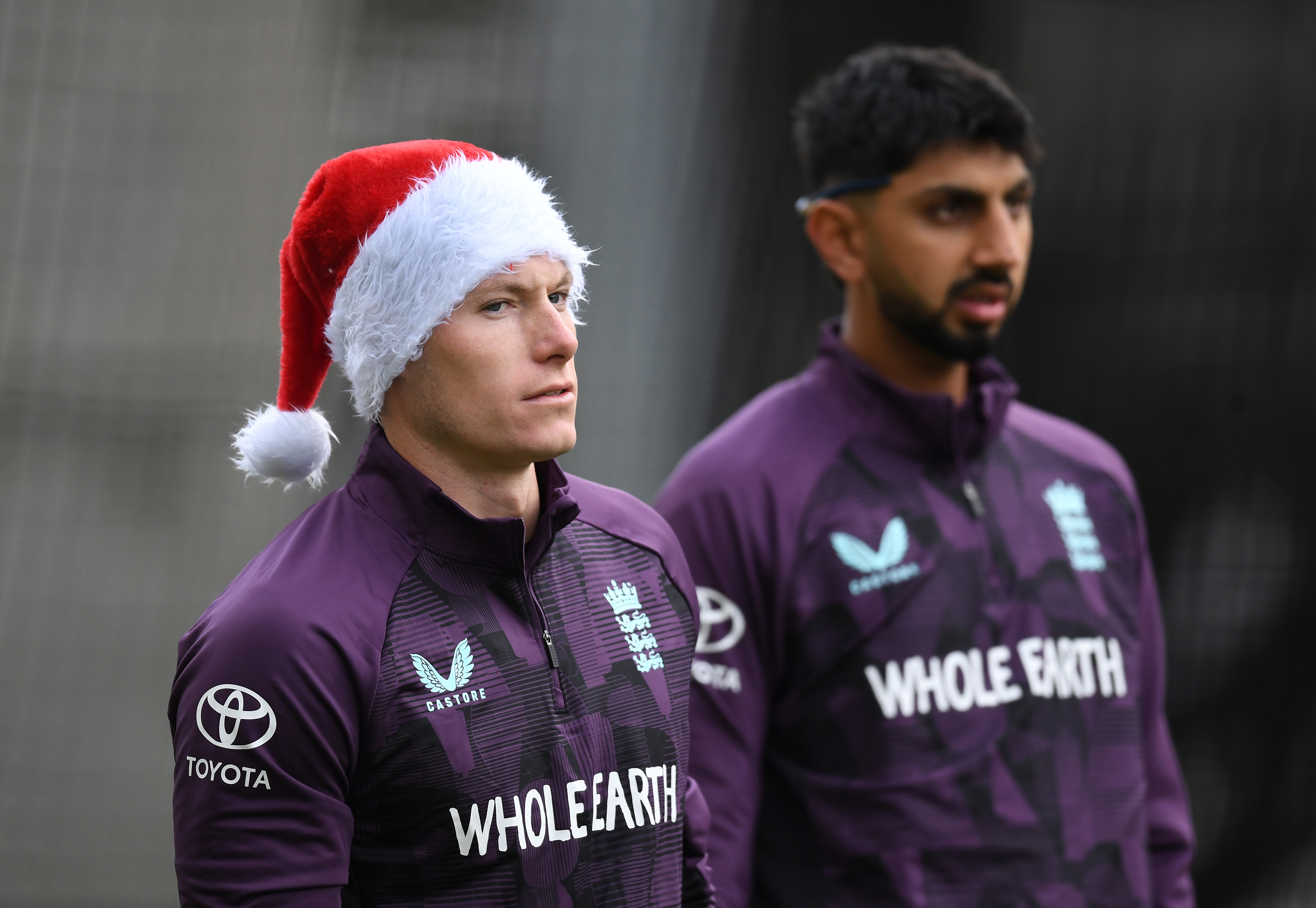
Potts, left, is expected to come in for the final Test in Sydney
PHILIP BROWN/GETTY IMAGES
Gough and Andrew Flintoff were both named in the original squad but did not play any Tests, Gough due to a long-standing knee issue and Flintoff with a hernia problem. England were heavily criticised for selecting them in the first place.
The game has changed, of course. Rob Key, England’s managing director of men’s cricket, and Brendon McCullum, the head coach, have to manage players across multiple international events these days. Archer was out of the Ashes after three Tests, but England are already saying they are hopeful of him playing in the T20 World Cup next month. Atkinson is expected to need three to six weeks to recover.
In times past, had the Ashes been on the line, perhaps one or other of them might have been risked in another game. That’s something we will never know, because England blew their chance before they could get that far.
England’s worst recent Ashes tours for fast-bowling injuries1990-91, Australia 3, England 0: Angus Fraser and Chris Lewis both missed Tests due to injury. Phil DeFreitas and Phil Newport were added to the squad and played in the series. Fast bowlers who played Tests: six1994-95, Australia 3, England 1: Darren Gough, Martin McCague and Craig White all left the tour early and Joey Benjamin fell ill and did not play. Fraser and Lewis were called up as replacements and played five Tests between them. Fast bowlers who played Tests: six2002-03, Australia 4, England 1: Gough and Andrew Flintoff were effectively ruled out before the first Test, during which Simon Jones ruptured his knee. Two replacement fast bowlers, Chris Silverwood and Alex Tudor, were also injured. Fast bowlers who played Tests: seven2025-26, Australia 3, England 1 (one to play): Mark Wood broke down during the first Test. Jofra Archer sustained a side strain in the third and Gus Atkinson developed a hamstring problem in the fourth Test. All three returned home early. Fast bowlers who played Tests: six (but a seventh, Matthew Potts or Matthew Fisher, is set to play in Sydney)