
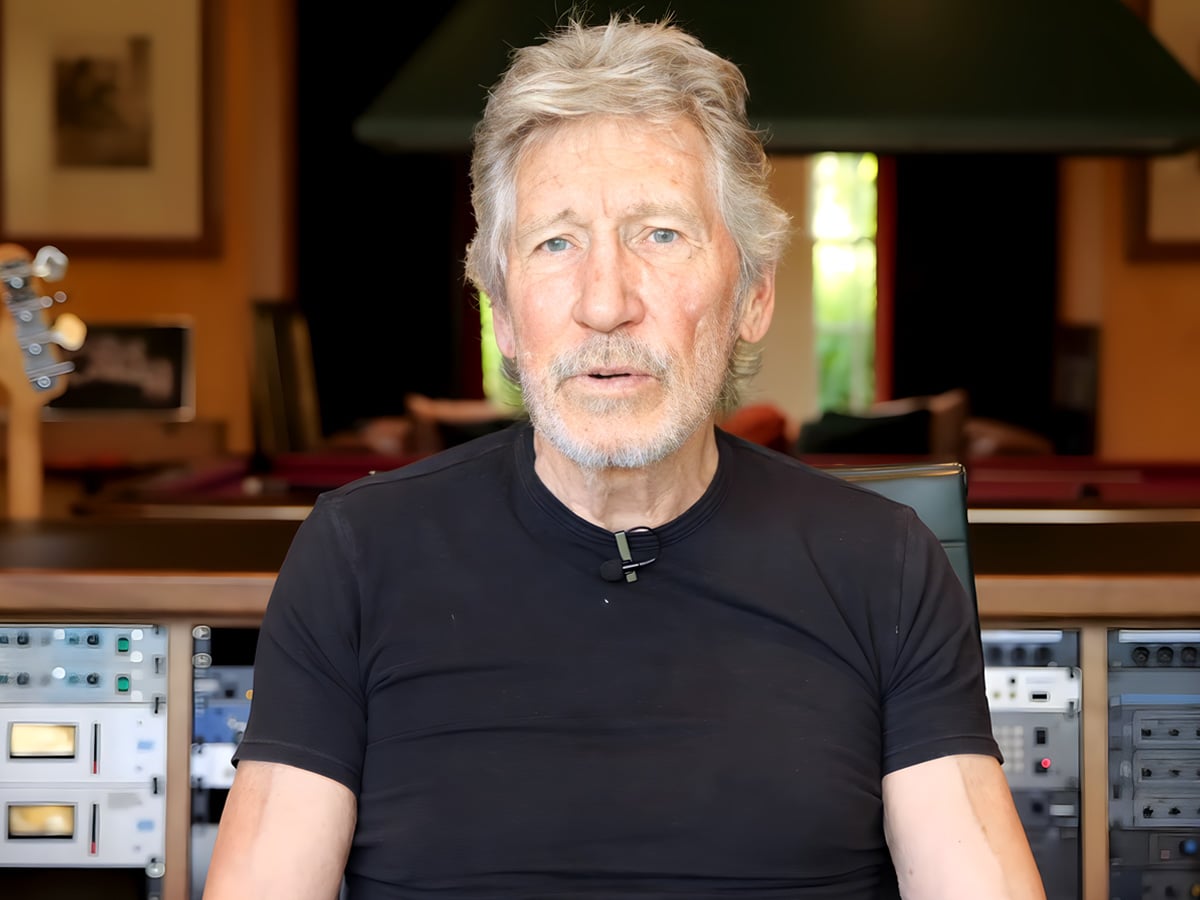
(Credits: Far Out / YouTube Still)
Fri 2 January 2026 17:30, UK
Most musicians are hard-wired to appreciate success, but Roger Waters struggled when Pink Floyd transitioned from small audiences to larger stadiums.
This is especially interesting when you consider that Pink Floyd is massively associated with massive theatrical live performances, and their concerts, much like the music itself, are known for being majorly immersive, with the use of elaborate tech, including stage lighting and visual effects, to make the experience one that you couldn’t forget even if you tried.
However, as much as it might be difficult to believe, that wasn’t always the case, because before the band exploded into such high-calibre spectacles post-The Dark Side of the Moon, they would perform to smaller crowds, sometimes to ones with only 50 to 100 people, where the main event was the music itself, and the band would simply turn up and play – no gimmicks, just that.
Most musicians chase the thrill of stadium-level success – it’s one of the main reasons they keep pushing, even when there are other ways to feel appreciation, satisfaction or gratification in the job. When they perform to those smaller pockets of audiences, it’s usually with the hope that one day they’ll scale up and have hundreds more faces singing their lyrics back to them.
Waters was a little different in that respect. Obviously, he grew to appreciate their later success, but the transition from low-key rock band to one that essentially led an entire movement was a little harder to get used to. And on top of that, he had to go from the familiarity of smaller, intimate settings where it felt like there was a real, palpable connection with the audience, to settings where it felt like there was a literal barrier between them and their fans.
However, the cherry on top of the cake was that larger audiences meant more idiots, and Waters’ impatience during this change reached a breaking point in early 1977, when the band went on a six-month tour after the release of Animals. The audiences during these gigs were the band’s biggest, and Waters noticed that the energy wasn’t always as wholesome as it once was, with people instead wreaking havoc more than actually enjoying or listening to the music.
And so, near the end of the tour, a man in the first couple of rows started causing a fuss, so much so that Waters found it impossible to ignore. In a moment of frenzy or weakness, perhaps, Waters spat at him to get him to lay off, a move that understandably disgusted David Gilmour and one he’d later come to regret. But all of it came from a deeper struggle with their success, despite the positives.
As he recalled to Mojo, “In the old pre-Dark Side days, we played to relatively small audiences. After that, it got to be huge stadiums, and I started to hate that. It wasn’t what I’d got into it for, and you felt so distant from the audience.”
He went on, “One night at the end of the Animals tour in Canada, there was a fan clawing his way up the storm netting to try and get to us, and yes, I just snapped and spat at him. I was shocked, disgusted by myself as soon as I did it, but after I’d thought about it, the idea of actually building a wall between us and the audience had wonderful theatrical possibilities, and that’s what led to The Wall.”
As a result, Water channelled his grievances into the album’s concept, not just with feeling a physical barrier between the audience but with experiences of isolation, displacement and disillusionment when the world around seems to be defined by its own chaos. Alongside processing the band’s success, it also presented a more sophisticated side to the band that didn’t just falter in the face of their own demons.
Related Topics