
(Credits: Far Out / Ryunosuke Kikuno)
Sat 3 January 2026 15:30, UK
Before a certain Düsseldorf electronic outfit mapped out the blueprint for electronic music in 1974, the mysterious synthesizer held a presence in classic rock greater than is remembered.
Synths were everywhere in the world of rock, from Pink Floyd’s immersive Synthi AKS textures, Brian Eno tinkering on the EMS VCS 3 for Roxy Music’s Top of the Pops performance of ‘Virginia Plain’, or Pete Townshend’s smattering much of The Who canon with the glittering arpeggios emitted from the hefty ARP 2500 and its nimbier 2600 successor.
Indeed, long before synthpop and the new wave, analogue synths were heavily associated with the day’s prog wizards, Yes noodler Rick Wakeman or Keith Emerson’s electronic fortress of multiple-racked keyboards defining the synth in all its grandeur and initial silliness.
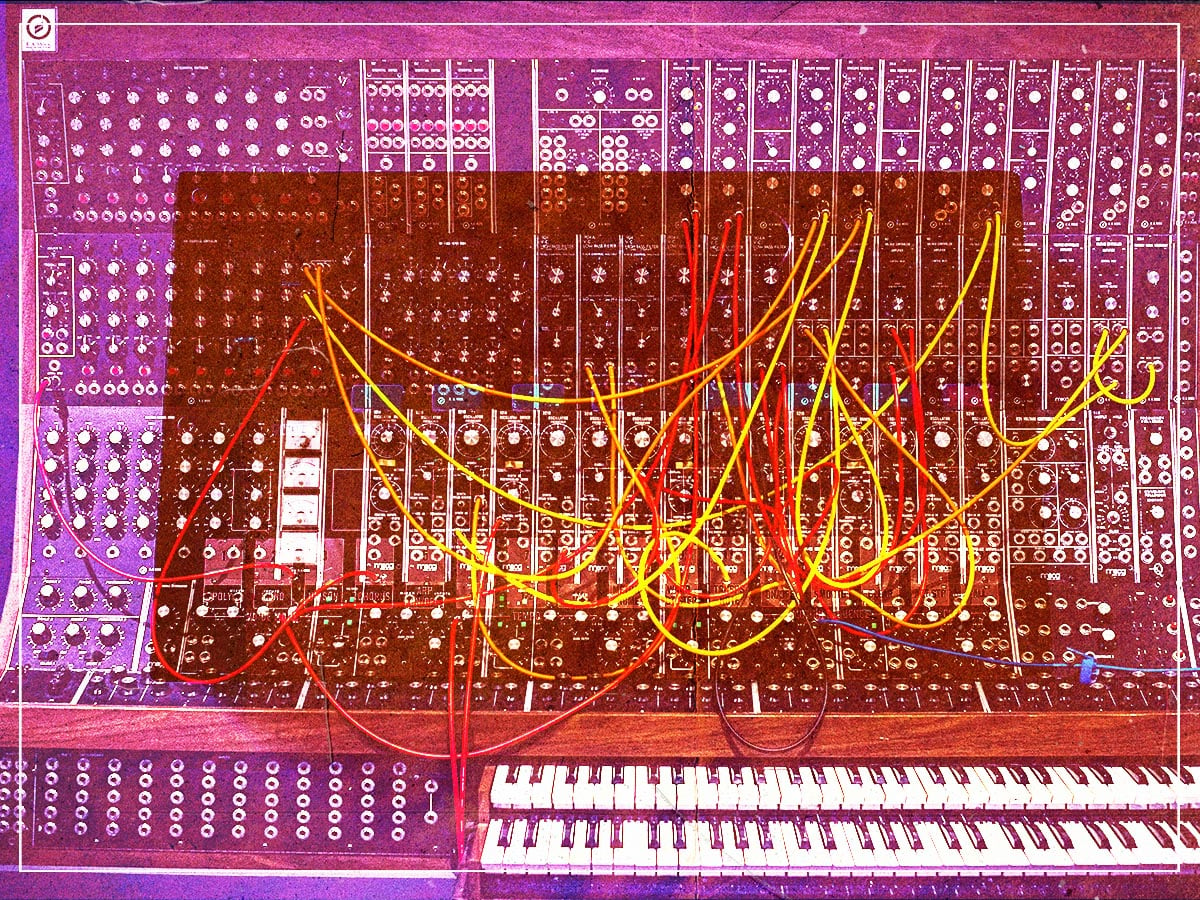
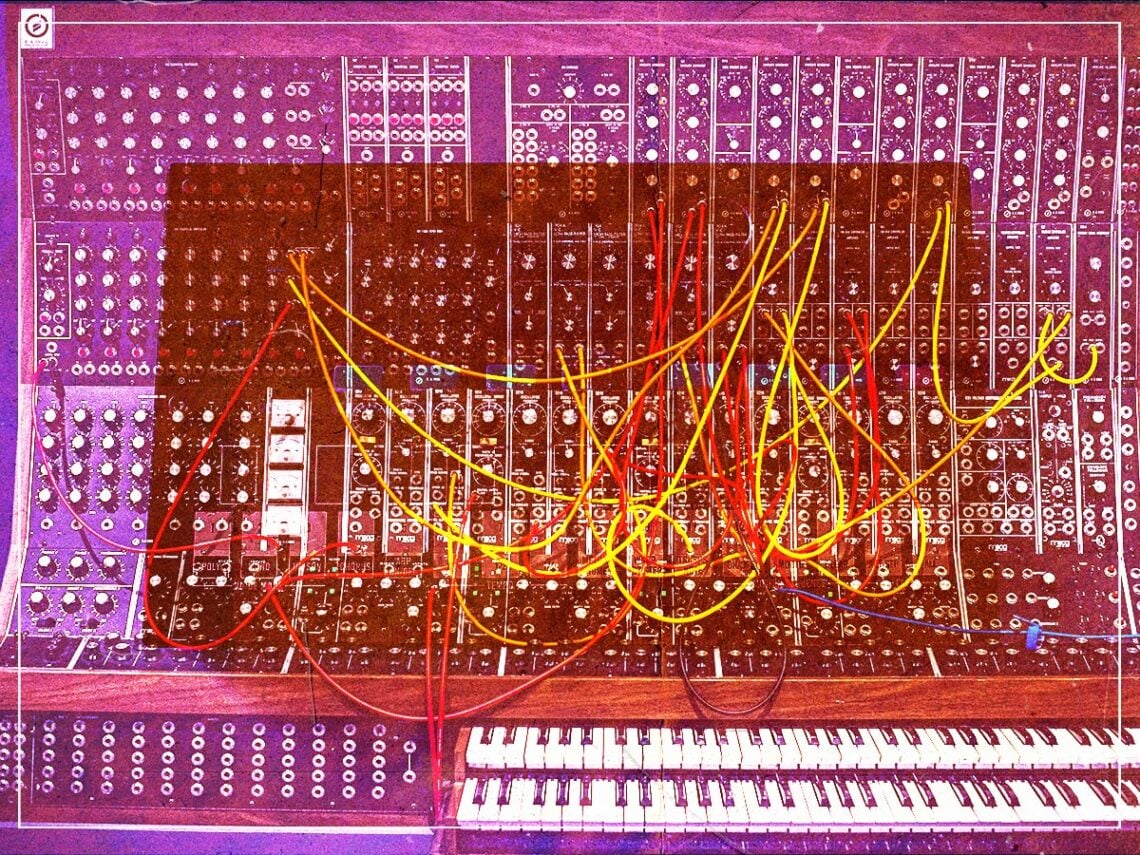
Electronics found their way into the world of rock and pop, from the avant-garde scree that coats The Tornados’ 1962 sci-fi surf hit ‘Telstar’, to even ‘Forces sweetheart’ Vera Lynn boasting the early Novachord proto-synth on her stirring ‘We’ll Meet Again’ as far back as 1939. Yet, consensus would generally agree that the synth’s role in rock and pop started in earnest when Dr Robert Moog first unveiled his modular Moog in 1965, tagged with a hefty price tag of over $100,000 in today’s money.
It’s likely that most of the counterculture’s big names first set eyes on the Moog at the 1967 Monterey Pop Festival in June. Having formed a musical duo as a means to demonstrate the synth’s aural wonders, Moog sales representatives Paul Beaver and Bernie Krause set up an industry booth promoting the new electronic music to the psychedelic crowd eager to create new sounds befitting their lysergic creative ambitions. Combined with a tour of the West Coast, such curious clients would include The Byrds, Simon & Garfunkel, and George Harrison.
The Beatles would sprinkle the Moog’s sonic shimmer over select cuts from 1969’s Abbey Road, and a year before Harrison released the experimental solo effort Wonderwall Music, followed by Electronic Sound, entirely made from the Moog’s synthesised tonalities.
So, what classic rock song first used a synth?
One eager customer for Beaver and Krause was The Monkees’ Micky Dolenz. Looking to move away from the clean-cut bubblegum image they’d cultivated with their namesake NBC show, The Monkees’ fourth LP Pisces, Aquarius, Capricorn & Jones Ltd in November 1967 grabbed at the trippy washes of the era and added askance Moogs on ‘Daily Nightly’ and ‘Star Collector’, the latter’s synth overdubs played by Beaver himself.
Yet, Los Angeles psych-rockers The Doors beat them to the Moog punch two months before. Opening their sophomore Strange Days album, the title track boasts what can confidently be claimed as the first real synth in classic rock, frontman Jim Morrison’s observations of the hippy youthquake fed through the Moog’s delays and envelopes to add its ethereal ripple to his voice, Morrison himself playing the notes as he sang with Beaver’s programming assistance.
And before you ask, the Mellotron wasn’t a synth, but rather an electro-mechanical keyboard utilising magnetic tape loops, first heard in the pop world on The Graham Bond Organisation’s ‘Baby Can It Be True?’
Related Topics