
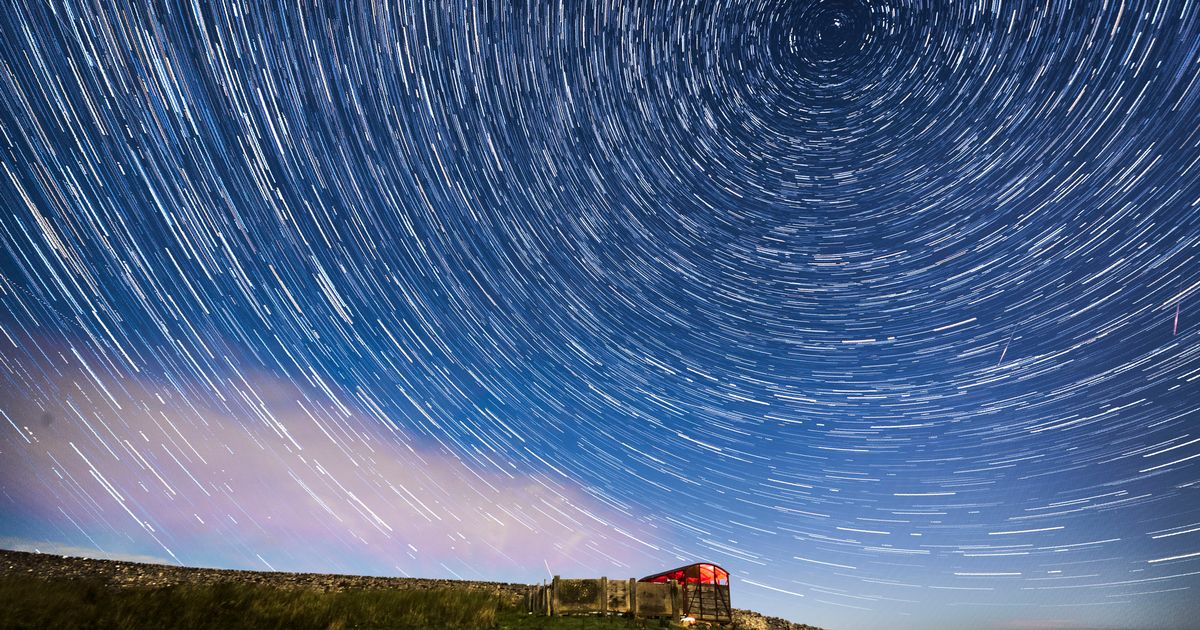
The peak period of the Quadrantids is only a few hours long so you don’t want to miss the opportunity to see it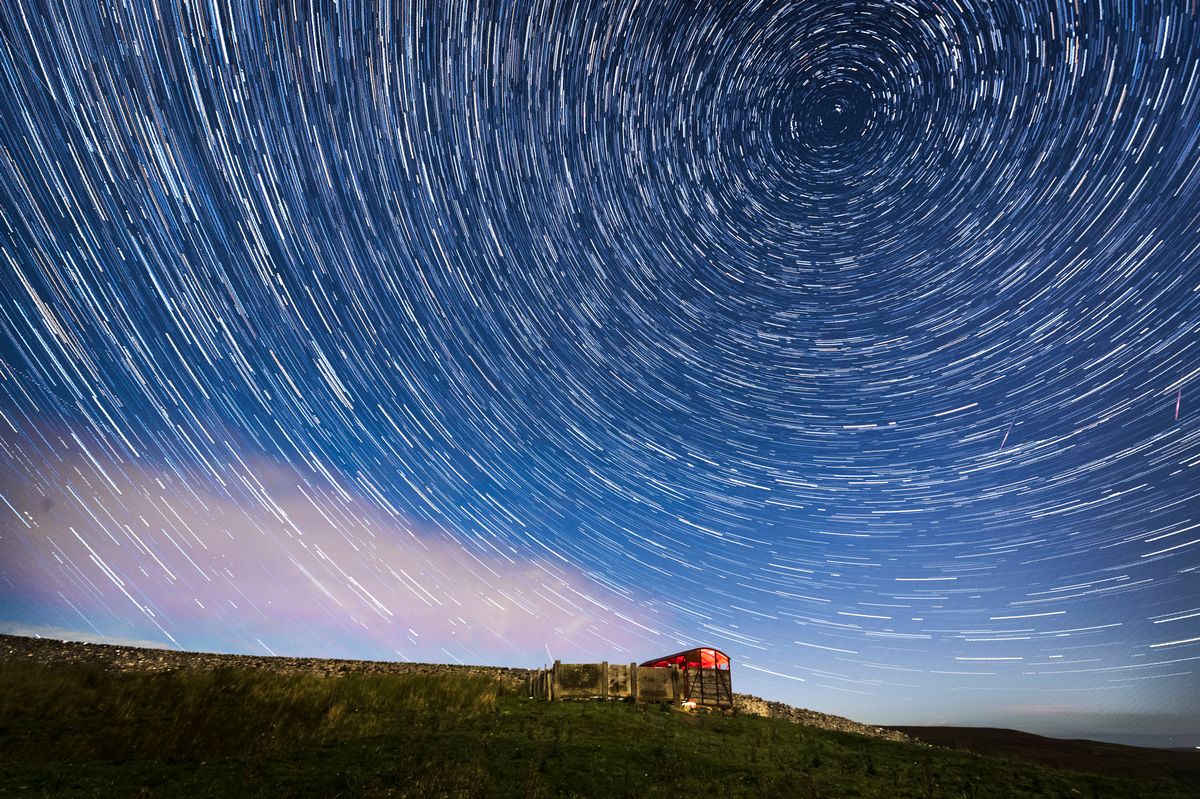 meteors and star trails(Image: PA)
People in the UK can witness a spectacular meteor shower this month. The Quadrantid meteor shower is among the strongest and most consistent meteor showers of the year, with a maximum rate of 200 meteors per hour on a clear night.
The Quadrantids are known for their sharp peak which only lasts a few hours. They can be seen with the naked eye so there’s no need for binoculars or a telescope, though you will need to allow your eyes to adjust to the dark beforehand.
In 2026 the shower will reach peak intensity in the early hours of January 4. Unfortunately the event happens at the same time as a full moon, meaning the moonlight will interfere with seeing as many meteors as you may have liked.
Unlike other meteor showers that tend to stay at their peak for about two days, the peak period of the Quadrantids is only a few hours long.
You don’t want to miss the opportunity to see one of the best stargazing events of the year, with 60 to as many as 200 Quadrantid meteors visible per hour under perfect conditions.
NASA said: “Quadrantids are known for their bright fireball meteors. Fireballs are larger explosions of light and colour that can persist longer than an average meteor streak.”
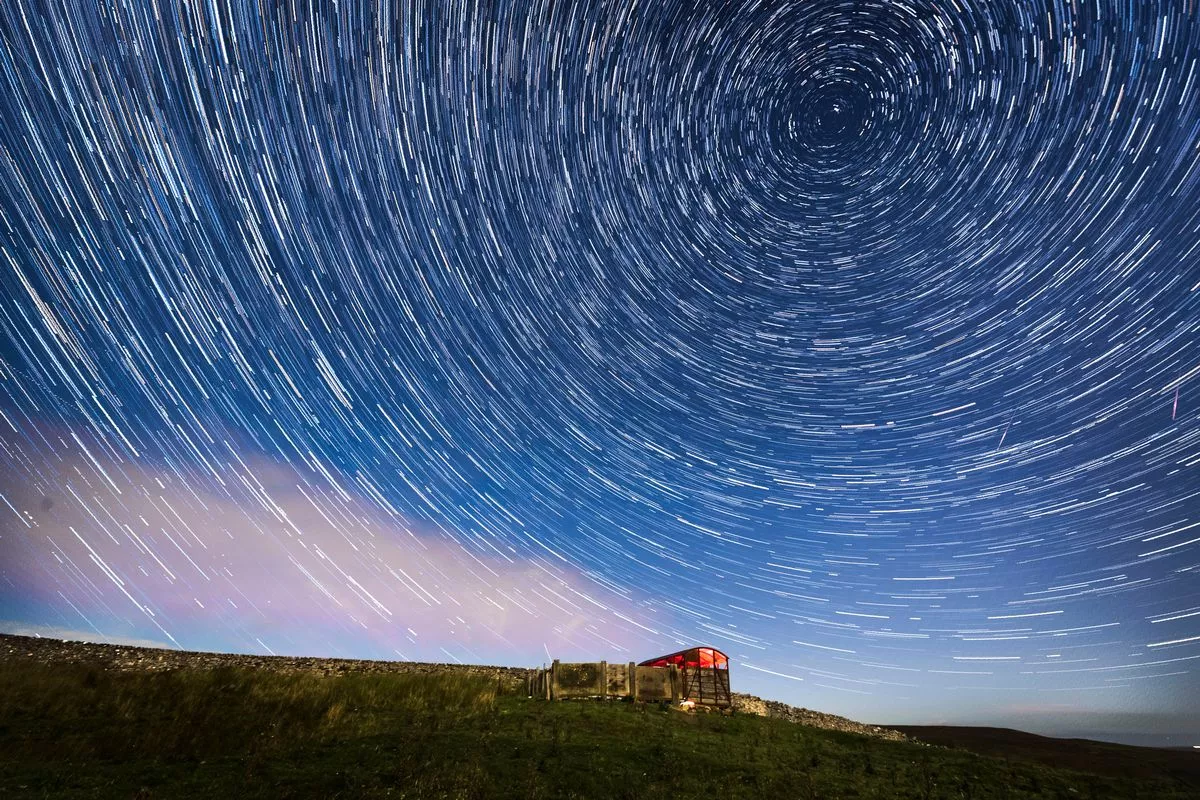 meteors and star trails(Image: PA)
Meteors come from leftover comet particles and bits from broken asteroids. When these objects come around the sun, the dust they emit gradually spreads into a dusty trail around their orbits.
The Quadrantids are thought to originate from an asteroid called 2003 EH1, which scientists believe may once have been a comet that lost its icy material over time.
This year, the Quadrantids run from December 28, 2025 until January 12, 2026. If you miss the peak, you can still catch a glimpse of the fireballs across the sky as the month progresses.
NASA shared the best ways to see the fireballs race across the sky, explaining: “To view the Quadrantids, find an area well away from the city or street lights. Come prepared for winter weather with a sleeping bag, blanket, or lawn chair.
“Lie flat on your back with your feet facing northeast and look up, taking in as much of the sky as possible. In less than 30 minutes in the dark, your eyes will adapt and you will begin to see meteors. Be patient, the show will last until dawn, so you have plenty of time to catch a glimpse.”