
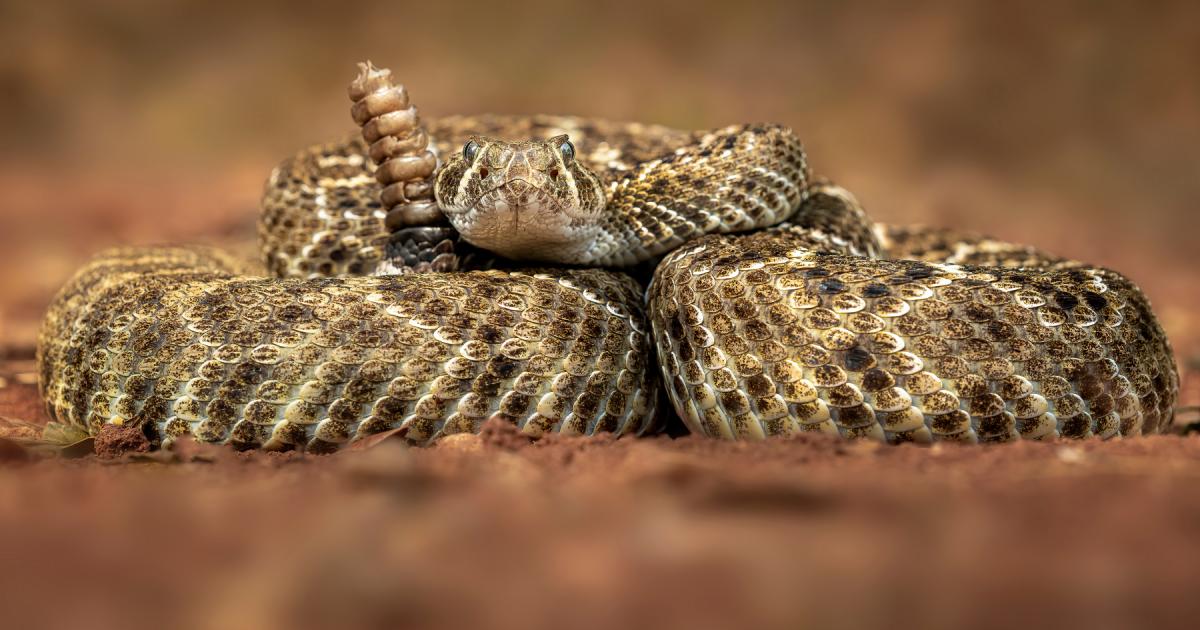
International wildlife charity Born Free revealed there are more than 2,700 dangerous wild animals being kept privately (with a licence) in the UK and Northern Ireland.
And there could be more being kept without a licence.
A Born Free survey, conducted back in 2023, revealed a total of 187 private addresses across 126 local authorities hold licences to keep dangerous wild animals such as lions, tigers, crocodiles, and venomous reptiles.
In 2023, we found that over 2,700 dangerous wild animals were being kept privately, and legally, under licence in Great Britain under the Dangerous Wild Animals Act 1976.
This includes over 200 wild cats, 250 primates and 400 venomous snakes. More 👇https://t.co/tt1INMOTKu
— Born Free Foundation (@BornFreeFDN) February 28, 2024
The dangerous wild animals living in Hampshire
Hampshire was among the areas in Britain where dangerous wild animals can be found.
The Born Free survey showed there are 189 dangerous wild animals living in Hampshire, including Gila Monsters and a Western Diamondback Rattlesnake.
The full list of dangerous wild animals living in Hampshire, according to Born Free, are:
Chinese Alligator – 37
Dwarf Caiman – 1
Eurasian Lynx – 4
Gila Monster – 2
Margarita Island Capuchin – 2
Przewalski’s Horse – 4
Suphan Cobra – 2
West African Dwarf Crocodile – 2
Western Diamondback Rattlesnake – 1
White-Lipped Viper – 1
Wild Boar – 133
You can see all the dangerous wild animals living in Britain, and where they are located, on the Born Free website.
Venomous snakes among animals being kept in Hampshire
A few venomous snakes were found to be among the dangerous animals living in Hampshire, including a Western Diamondback Rattlesnake in Portsmouth.
They range in size from three to five feet long, with a few reaching seven feet long and can live approximately 15-20 years in captivity.
The Arizona-Sonora Desert Museum states that they eat mice, rats, rabbits, gophers, ground-dwelling birds, lizards and other small animals.
It adds: “Rattlesnakes are reluctant to strike. Making their presence known (by movement or by rattling) endangers the snake.
“Their best defense is camouflage. If pressed (or startled) and needing to defend itself, a rattlesnake may strike. The strike happens in less than a second.”
Western Diamondback Rattlesnakes live around the southwestern United States and Northern Mexico.
Britannica says they bite hundreds of people per year, with approximately 10 to 20% of untreated bites being fatal.
Recommended reading:
Alongside that, there is a Suphan Cobra (also known as a Monocled Cobra) being kept in Portsmouth.
The species is widespread across South and Southeast Asia and is notable for its circular marking on its hood.
Some populations of the snake are able to spit venom, although this is not a consistent factor.