
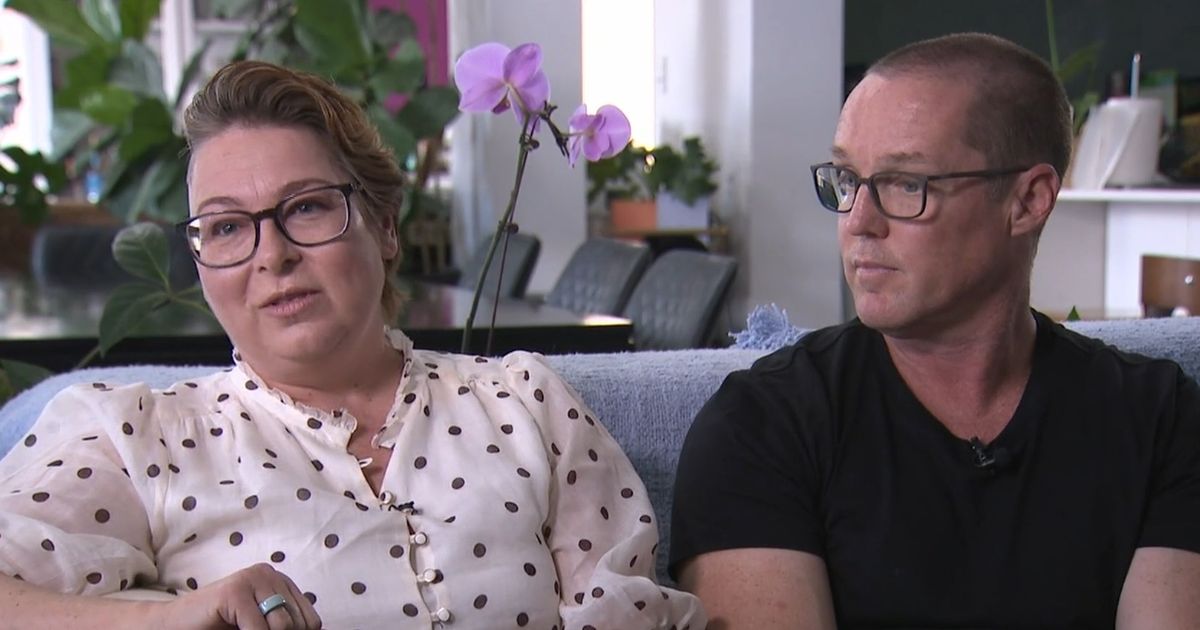
Katie Britton received her brain tumour diagnosis just months after her husband Greg Britton – and she said telling their two children, Luke and Charli, was heartbreaking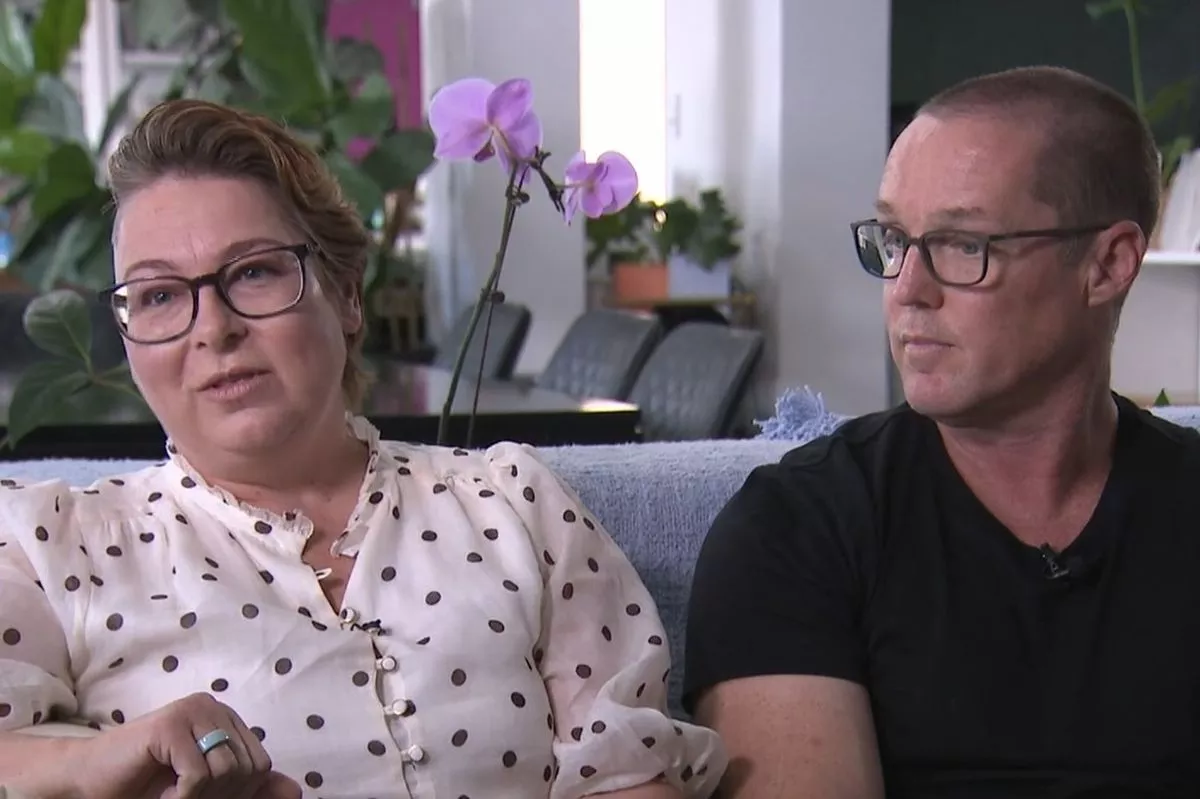 Greg and Katie Britton were both diagnosed with brain cancer(Image: 9NEWS)
A mum and a dad have been diagnosed with brain cancer just months apart, facing the challenge of sharing the heartbreaking news with their teenage children.
Greg Britton underwent an MRI, which found a 4.5cm tumour, after noticing a numbing in his toe, followed by losing all feeling to his side. The tumour, located in his brain stem, was “just affecting everything”, Greg said, from his breathing to his heart.
While the tumour was removed 12 months later, the dad-of-two is not in the clear yet, as he said: “It probably will grow back at some stage, so yeah it’s just about staying as fit as I can and healthy.”
READ MORE: ‘I thought I’d torn ligament before they told me I had 10 years left’READ MORE: Family of Britain’s youngest dementia sufferer, 24, make selfless gesture after death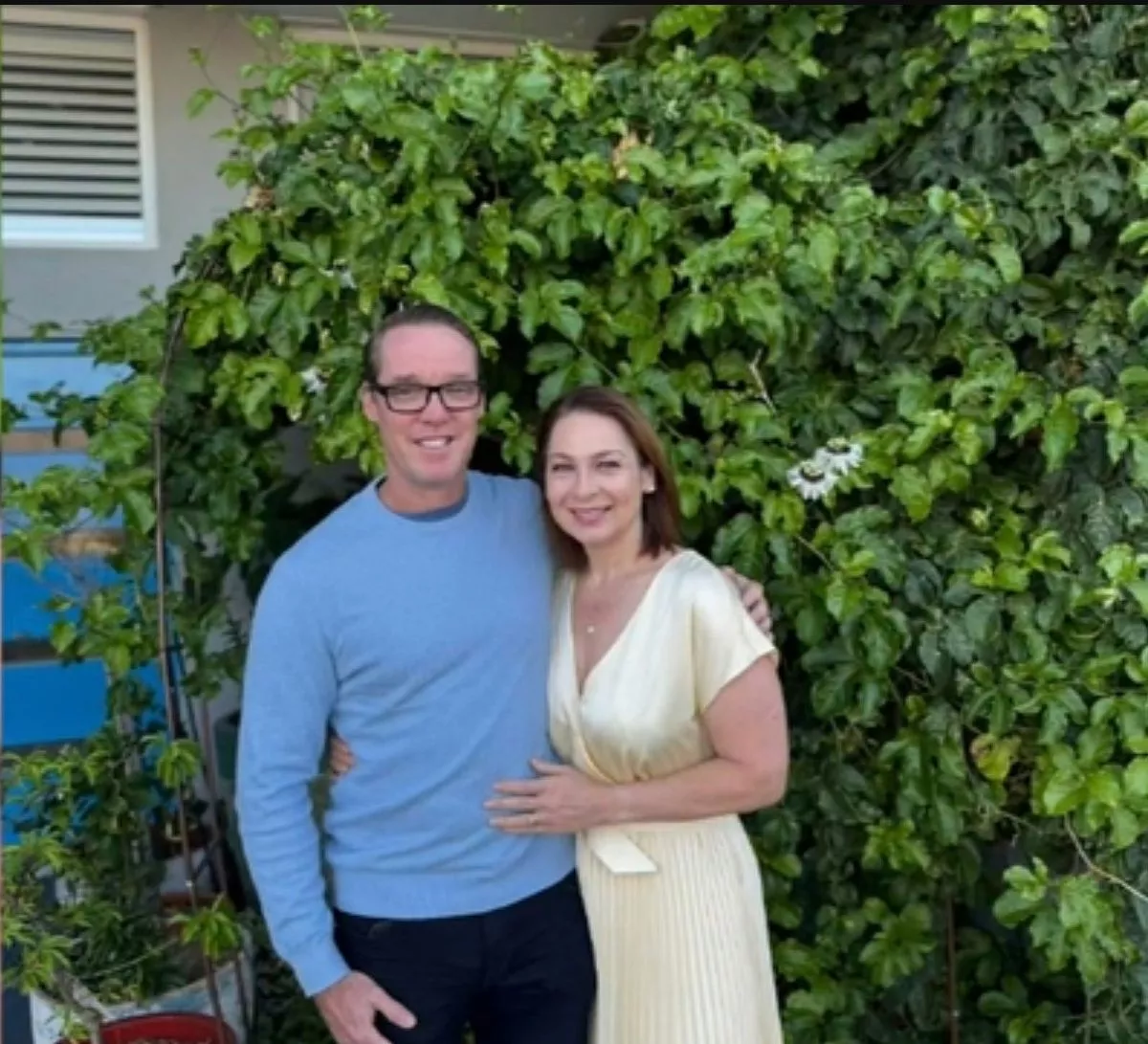 The parents faced the challenge of sharing the heartbreaking news with their two children(Image: 9NEWS)
His wife Katie Britton began experiencing her own symptoms, including headaches as well as pain in her ear and cheek, just months later. After attending Joondalup Hospital in Perth, Western Australia, Katie said she quickly received her diagnosis – and the following day she underwent surgery.
Her operation on her own 4cm tumour was exactly four months after her husband underwent his surgery. Katie said the pair’s tumours are “in no way related and it’s just very bad luck.”
Having finished her first six-week round of chemotherapy and radiation, the Australian mum said the most difficult part of the couple’s diagnoses was telling their children, Luke and Charli. She told 9News: “I was heartbroken for them, because watching how much they all struggled the first time around, to then put them through that again was a very difficult time.”
Greg and Katie have decided to share their story to warn other people about the importance of early detection, which can also improve chances of survival. In September, a fundraiser was launched on behalf of the Britton family, with $18,298 (£9,132) donated to help Greg and Katie so far.
The GoFundMe page reads: “As many of you now know, the past 12 months have been incredibly challenging for Katie, Greg, Luke and Charli. Against the odds, Greg underwent major neurosurgery and continues to recover step by step and is doing amazingly well.
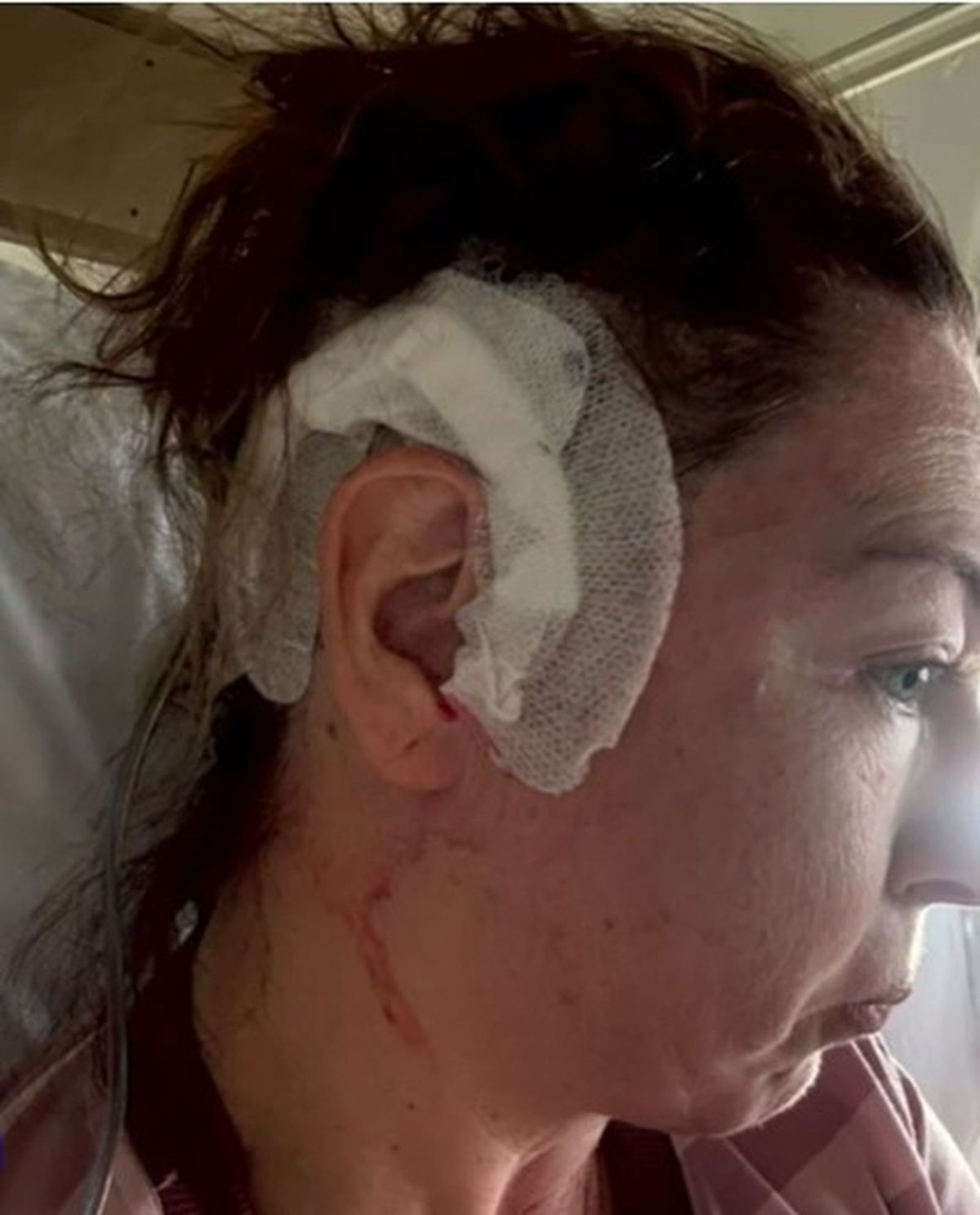 Katie underwent surgery four months after her husband(Image: 9NEWS)
“Just as the family began looking forward with hope, Katie was suddenly faced with her own emergency requiring neurosurgery and an unexpected health journey to overcome. In true Katie spirit, she has met this challenge with courage and determination. Many of us from family, friends and longstanding work colleagues have asked the question how we can show our love and support during such a difficult time?
“With this in mind, and knowing some of the special places on their family ‘bucket list,’ we thought it would be meaningful to help create an opportunity for Katie, Greg and the kids to enjoy a well-deserved break in the Whitsundays once they are both able and well enough to travel.
“If you’d like to contribute, you are welcome to leave a message of encouragement or make a small donation. Most importantly, we hope this shows the family just how many people are standing beside them, cheering them on with love, strength, and unwavering support.”
According to Cancer Australia, the estimated number of new cases of brain cancer diagnosed in 2025 was 2,098. Brain tumour treatment options depend on the type of tumour you have, as well as its size and location. Common treatments include surgery and radiation therapy, explains the Mayo Clinic.
The signs and symptoms of a brain tumour depend on the brain tumour’s size and location and may include headache, nausea or vomiting, eye problems and trouble with balance. Other symptoms may also include speech problems, feeling very tired, personality or behaviour changes, and seizures.