
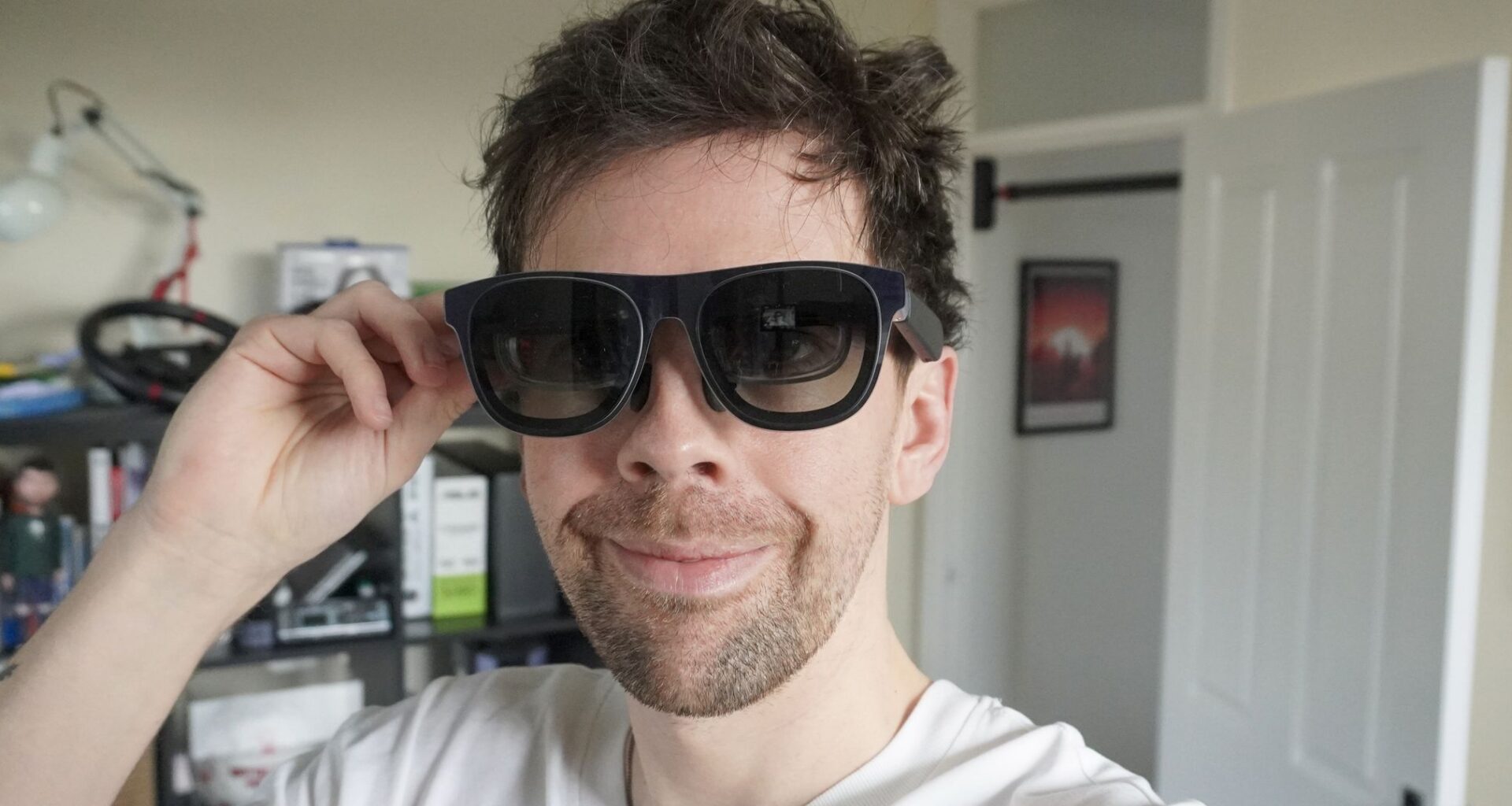
Xreal 1S has just been announced for CES 2026, and I’ve been testing them for the past month. In short, say hello to the new best AR glasses you can buy — packing small but significant upgrades over Xreal One (with a lower price of $449 to boot), a better build quality than the Viture Luma Pros, and a new software feature driven by that onboard X1 chip that is actually quite the breakthrough.
I’m talking about Real 3D, and at first, I feared this would be a gimmick. It’s a 2D to 3D video conversion feature that isn’t locked to any proprietary players or DRM restrictions, and, well, it works so much better than I expected.
(Image credit: Future)
That X1 chip which brings native 3DoF tracking and that gigantic 32:9 ultra-wide display can also be used to analyze the picture and provide depth to it. And while the frame rate slows, and there are one or two moments of noticeable struggles (usually around small details like a person’s ears), the remaining 99% of the picture looks fantastic.
Throw in everything else I loved about the original Xreal Ones, such as the Bose audio production, a sleeker Wayfarer-esque design that can blend in on planes and trains, and the vivid Micro-OLED picture that’s buttery smooth at 120Hz (and bigger on the vertical at 1200p rather than 1080p) and you’ve got a fantastic pair of all-round AR specs.
Xreal 1S AR glasses: Cheat SheetWhat is it? This is a pair of AR glasses — connect them to any device via USB-C and you can duplicate or extend the device’s screen onto the display in the specs.Who is it for? This is for those who want all the good stuff of Xreal Ones (along with some upgrades), but without the same price premium.What does it cost? The Xreal 1S costs $449, and the Neo hub will set you back $99.What do we like? The extra $50 off the 1S vs the Xreal One may make it seem like a compromise. But you’re actually getting more for your money with a wider field of view and a breakthrough 3D conversion tech that works entirely through that custom spatial computing chip, all while maintaining that same crystal clear picture, great audio and premium design.What don’t we like? The weight is a little heftier, but not a massive problem given the range of nose pads you can add, but the main thing is that the 3D conversion can cause the glasses to heat up quite significantly. Nothing you’ll feel directly on your face, but it’s a little alarming.Xreal 1S AR glasses: SpecsSwipe to scroll horizontally
Display
Sony Micro-OLED, 171-inch virtual screen 1200p resolution, 120Hz refresh rate, up to 700-nits of perceived brightness, software-based IPD adjustment
Field of view
52 degrees
Audio
Dual speakers tuned by Bose
Chip
Xreal X1 Chip with Optic Engine 4.0
Price
$449
Xreal 1S AR glasses: The ups
Price has always been a concern for getting decent AR glasses — but at $449, the Xreal 1S provides a pretty spectacular bang for your buck.
Nice upgrades — cheaper price

(Image credit: Future)
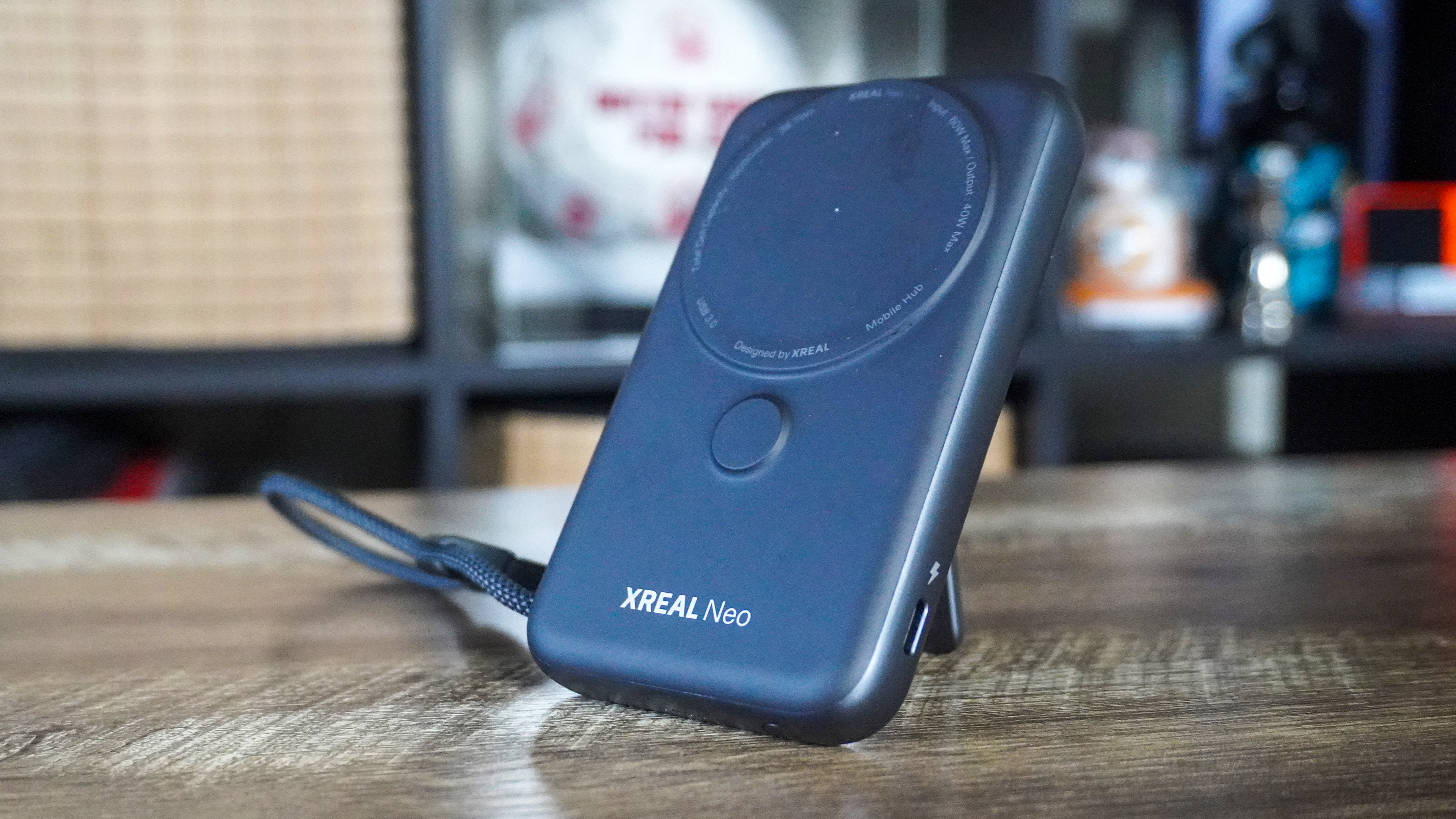
Looking good in their new dark blue finish, the Xreal 1S sports the same premium Wayfarer aesthetic as its more expensive siblings, which assures durability under the mechanical pressure of those hinges (unlike some of the cracks being seen on certain Viture Luma Pro models).
But where Xreal could’ve just called it a day there, the company decided to upgrade some other key aspects of the experience. The screen aspect ratio is now 16:10 at a 1200p resolution — much better verticality for productivity on planes — they’re a little brighter at 700 nits, and the field-of-view is the tiniest bit wider at 52 degrees.
All this while still keeping that nicely balanced color science that can get vivid when you want it to be, or accurate when you’re in work mode on some photo/video editing. Plus, you still get all that X1 chip goodness, which speaking of…
X1 does it all (especially when combined with the Neo)
(Image credit: Future)
In an ocean of AR glasses, Xreal stands out with X1. Its custom silicon opens up a whole lot of on-device possibilities with near-zero latency rather than trying to brute force it through software.
Rather than being limited by app compatibility, you can just turn on a 32:9 ultrawide monitor on whatever device you see fit. The 3DoF tracking to keep screens anchored in place has improved since the XReal Pro, too with the most recent update.
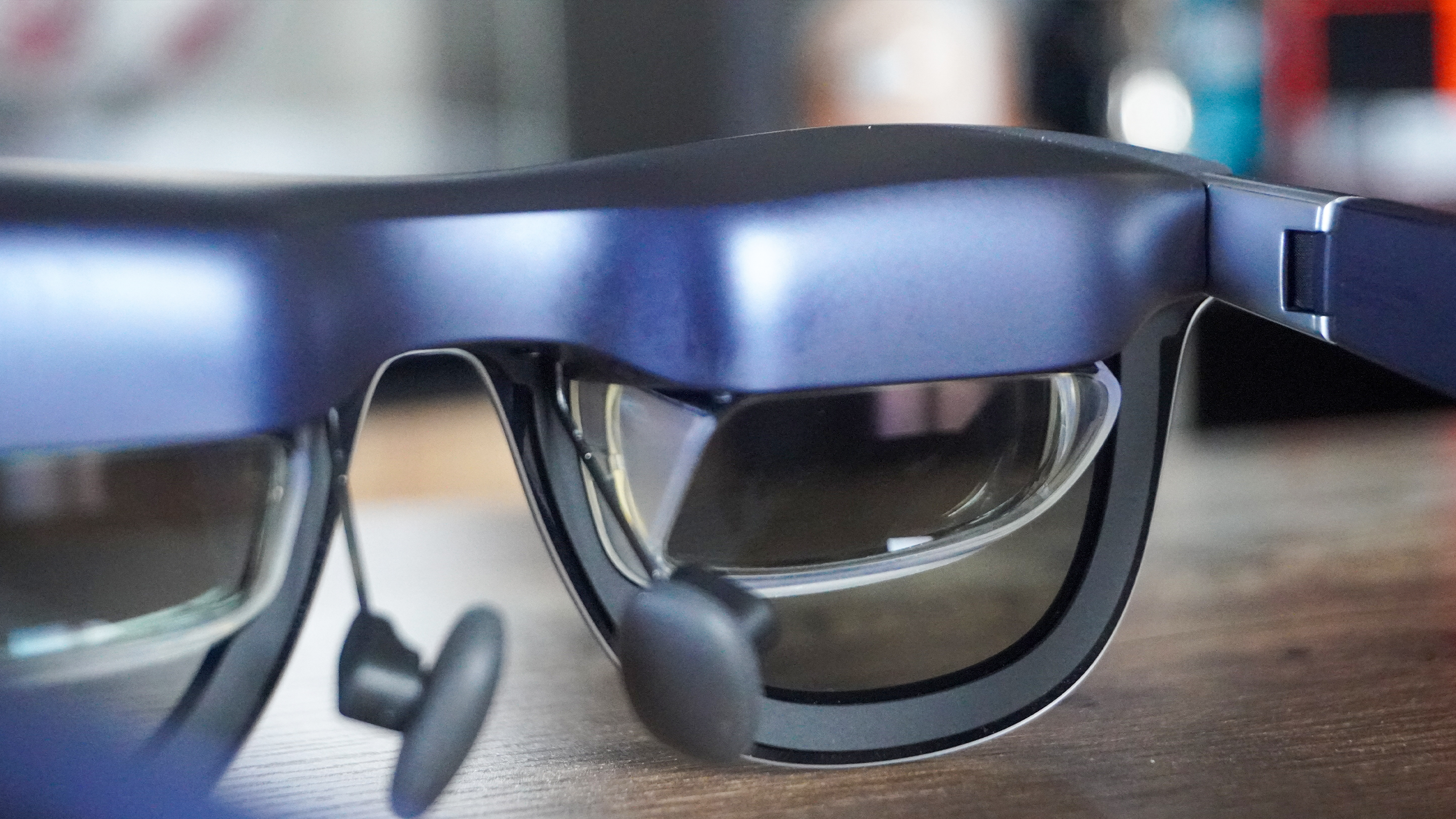
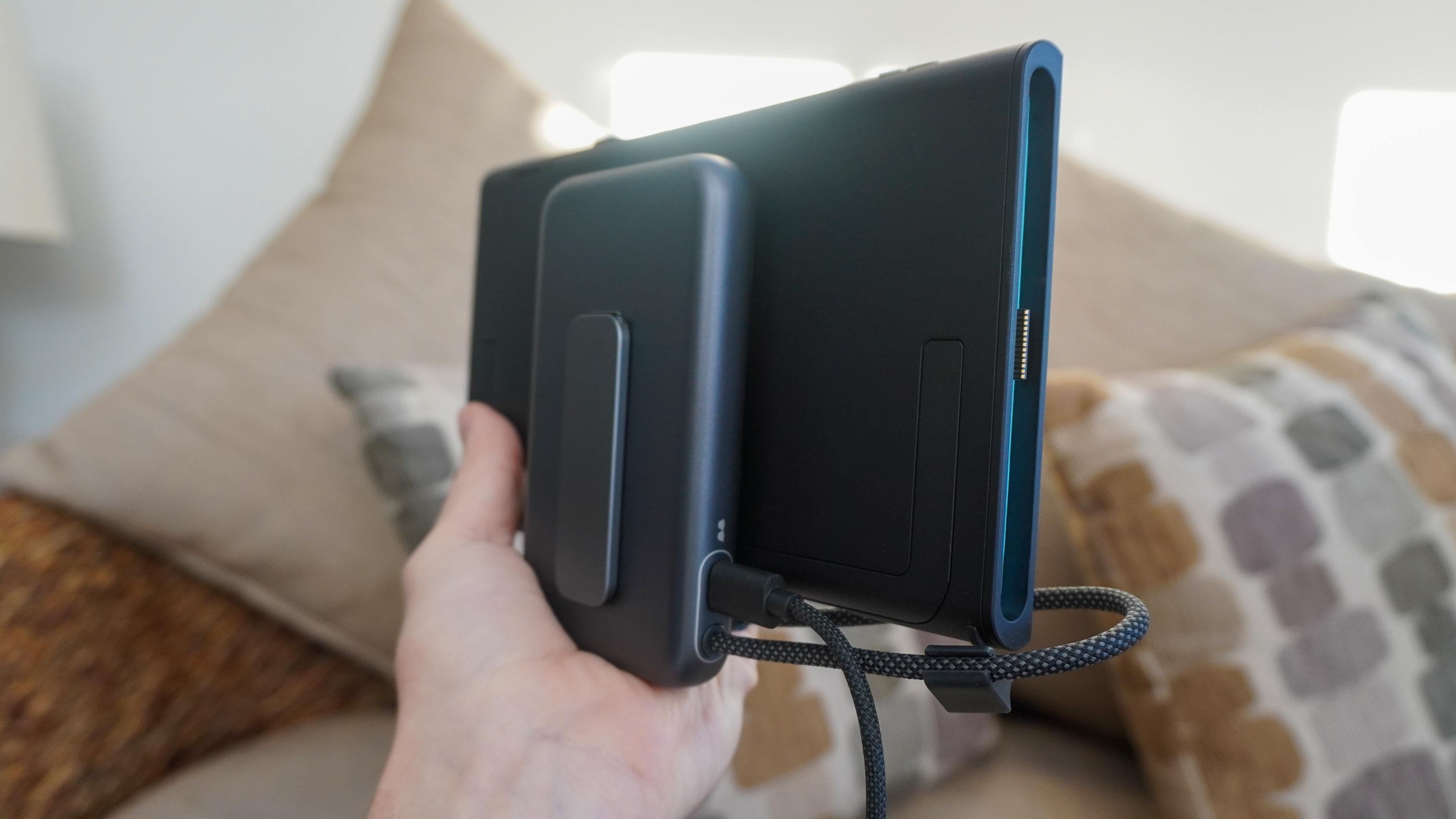
Where this gets real fun is when you add an Xreal Neo to the party. Yes, it’s an additional $99, but for Nintendo Switch 2 gamers, it’s an essential purchase because it finally gives you AR glasses support for your new portable system.*
Image 1 of 2
 (Image credit: Future)
 (Image credit: Future)
Basically, it tricks your Switch into thinking it’s docked. You’ve got magnetic stickers to attach to the back of your console so it’s all attached in one place without any loose cables flying around.
You’ll have to disconnect your controllers from the sides to make it work, but it does the job handily with no noticeable gameplay latency whatsoever. Plus through those Micro-OLED panels, the vivid animations of the likes of “Mario Kart World” look like a mesmerizing flash flood of color kept buttery smooth.
Plus, it’s a lot more than that, a magnetic 10,000 mAh power bank that can also carry a video signal. You could be watching hours and hours of Netflix on your iPhone without a care in the world about stamina.
*why Nintendo just doesn’t do the normal thing and not make its USB-C video out proprietary, I have no idea!
Oh, and there’s one more new feature of the X1 chip…
3D is not a gimmick anymore
(Image credit: Future)
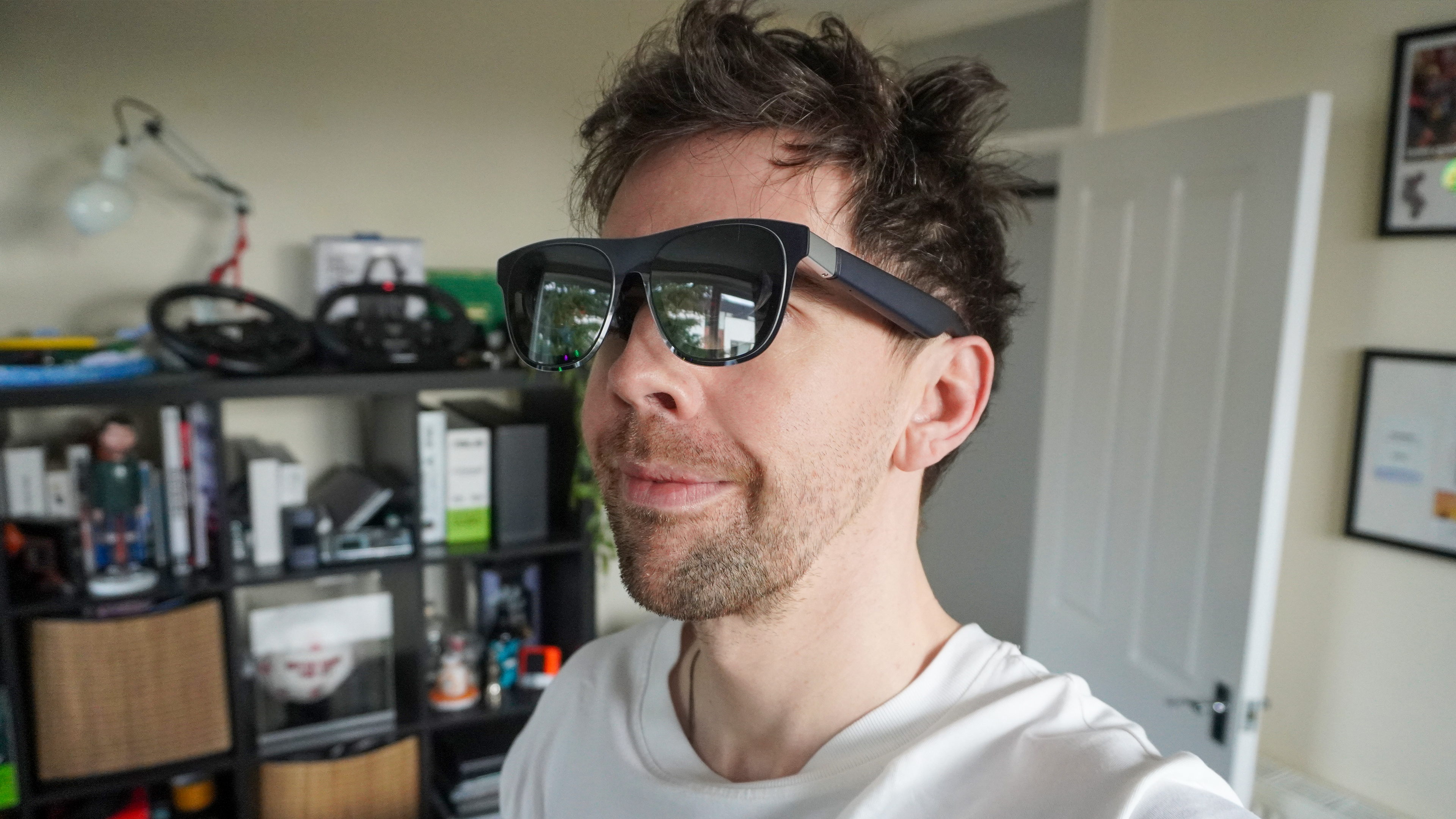
Hop into the glasses settings (a real easy-to-use on-board list of options to navigate through for screen size, dimensions, color, etc), and you’ll see a new option: Real 3D. This is 2D-to-3D conversion happening in real-time through that X1 chip — measuring the depth of a scene and adding that additional dimension.
At first, I was nervous. Since my rich friend showed off his 3D TV over a decade ago, I’ve always been skeptical from a “what’s the point” kind of way. But I got to say…it really works well.
Yes, there are some moments where you can trip it up with busy scenes and hard-to-determine objects like dust particles. That being said, though, for most YouTube videos and Netflix shows I watched, you’re getting an impressive 3D cinema right in your glasses, which is also free of DRM restrictions as its done entirely on the glasses themselves.
No pesky rights management issues to give you a black screen (like if you were to do it all in software). Is this a gimmick? Kind of. But it’s one you’ll be happy to have around on long-haul flights for ultimate immersion delivered directly to your peepers.
Xreal 1S AR glasses: The downs
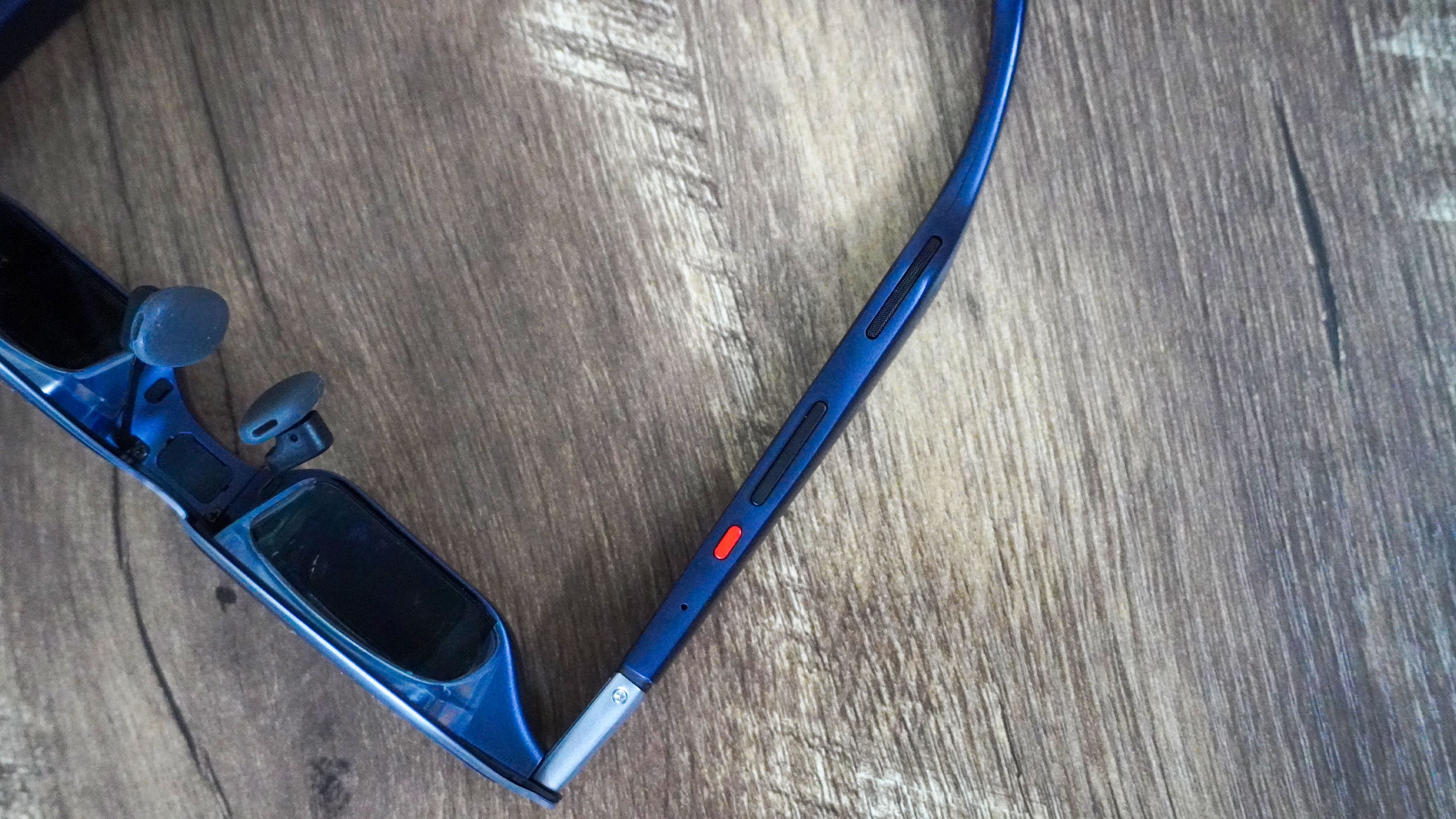
There’s only really one problem here. Not one you’ll notice when the glasses are on your face, but one you’ll definitely feel when you touch the top of the specs where all the display tech is.
Hotter than usual
(Image credit: Future)
I’m always used to a bit of heat emanating from the display modules of AR glasses — that’s just the nature of the business of cramming gigantic screens into something as small as this. But with that said, these do heat up quite considerably, especially when you use Real 3D.
After a couple of hours on my flight over to Vegas using the feature to watch a movie (“Hot Fuzz” if you’re curious), taking them off for an in-flight meal revealed just how hot to the touch the top part of the glasses had become.
Now this heat hasn’t impacted the longevity of them during my testing, and you don’t actually feel it on your face, as the nose pads keep the glasses levitated in front of your face rather than directly on it. But just a word to the wise to handle your glasses by the arms rather than the body of them when stowing them away.
Xreal 1S AR glasses: Verdict
(Image credit: Future)
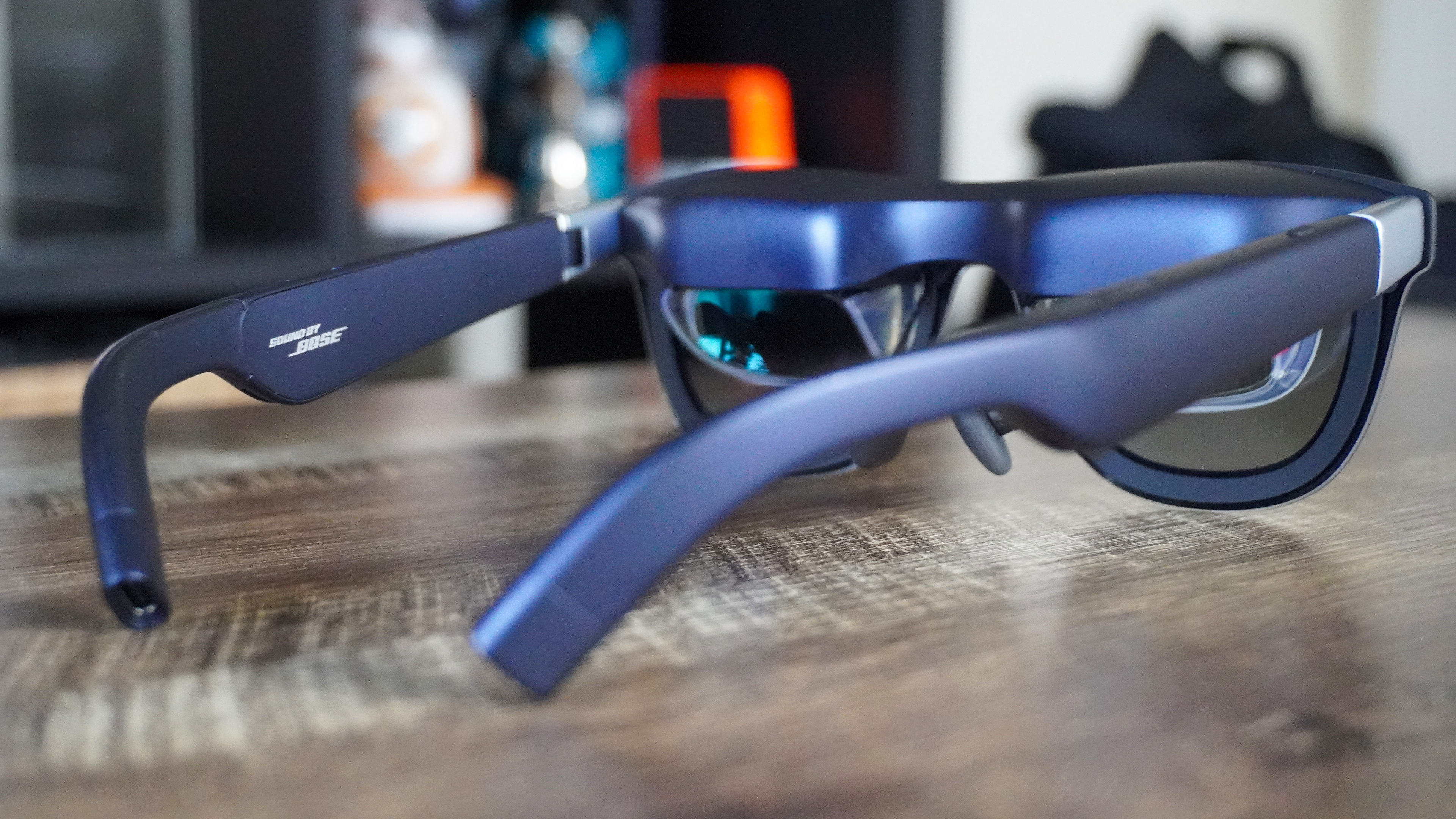
And that’s the story of the Xreal 1S — the new best AR glasses for everyone to buy. With these, the company just focused on what it does well and the main reason people buy AR glasses right now (an extended display for their entertainment and work on the go) and delivered a banger of a device.
Pair it with Neo and this is the best way to play Switch 2 on long haul flights. Throw in Real 3D, and you’ve got an impressively competent entertainment system that can make economy class feel like you’re in business.