
There will be major service changes implemented in stroke care, which include a ‘virtual ward’ being created for patients with minor or no disabilities
Laycie Beck Senior Reporter
19:43, 07 Jan 2026Updated 19:43, 07 Jan 2026
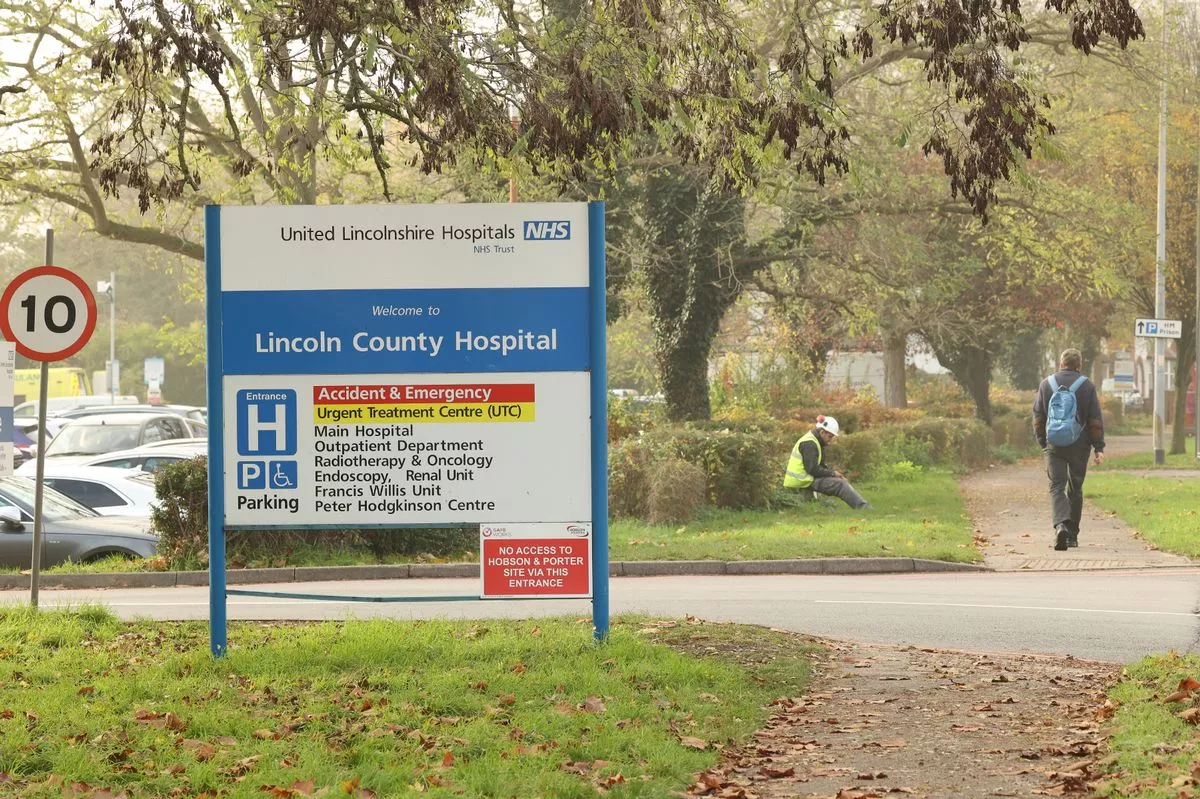 Lincoln County Hospital, Greetwell Road, Lincoln(Image: James Turner/Lincolnshire Live)
Patient care could be improved and hospital stays reduced as stroke services are redesigned in Lincolnshire. Through the CLEAR programme, there will be major service changes implemented in stroke care, which include a “virtual ward” being created for patients with minor or no disabilities.
The work by the programme has been supported by United Lincolnshire Hospitals NHS Trust and Lincolnshire Community Health Services NHS Trust, and is hoped to “streamline pathways”.
Dr Abduel Elmarimi, a clinical lead and consultant in stroke medicine at Lincoln County Hospital, said: “The CLEAR team members were accessible, knowledgeable, and helped bridge long-standing gaps in our knowledge and experience of bringing acute and community teams together.
“It also helped us make a stronger case for change in a way that was more accessible and easier to understand both for clinical and managerial teams at all levels of the organisation.” Analysis of five years of local stroke data shows that half of patients were transferred at least once, leading to stays being extended by up to 32 days and access to therapy reduced by 45 per cent
There is also an increased demand on community stroke services, with admissions to inpatient rehabilitation increasing by 47 per cent since 2020. Following the urgent need for change, the CLEAR programme is recommending a virtual stroke ward for patients with minor or no disability, streamlining emergency department to Stroke Unit transfers, and prioritising bed management for stroke patients.
It also wants to introduce mimic pathways to reduce inappropriate admissions and redesign teams to improve decision-making. It is hoped that by making these changes, hospital stays will be reduced by around three days for each patient, whilst also increasing the proportion of patients spending the majority of their stay on specialist stroke wards.
This allows them to benefit from faster, specialist-led care and more consistent therapy. Claire Brewster, managing clinical consultant at 33n for CLEAR, added: “The new models of care and recommendations have been warmly received by patients and their carers.
“Their insight has been invaluable, highlighting how a stronger focus on rehabilitation, safe admission avoidance and better community and vocational support could make a real difference to recovery. Their perspective has helped shape a model of care that is more responsive to real needs.”