
(Credit: Miss Sophie)
Fri 9 January 2026 11:50, UK
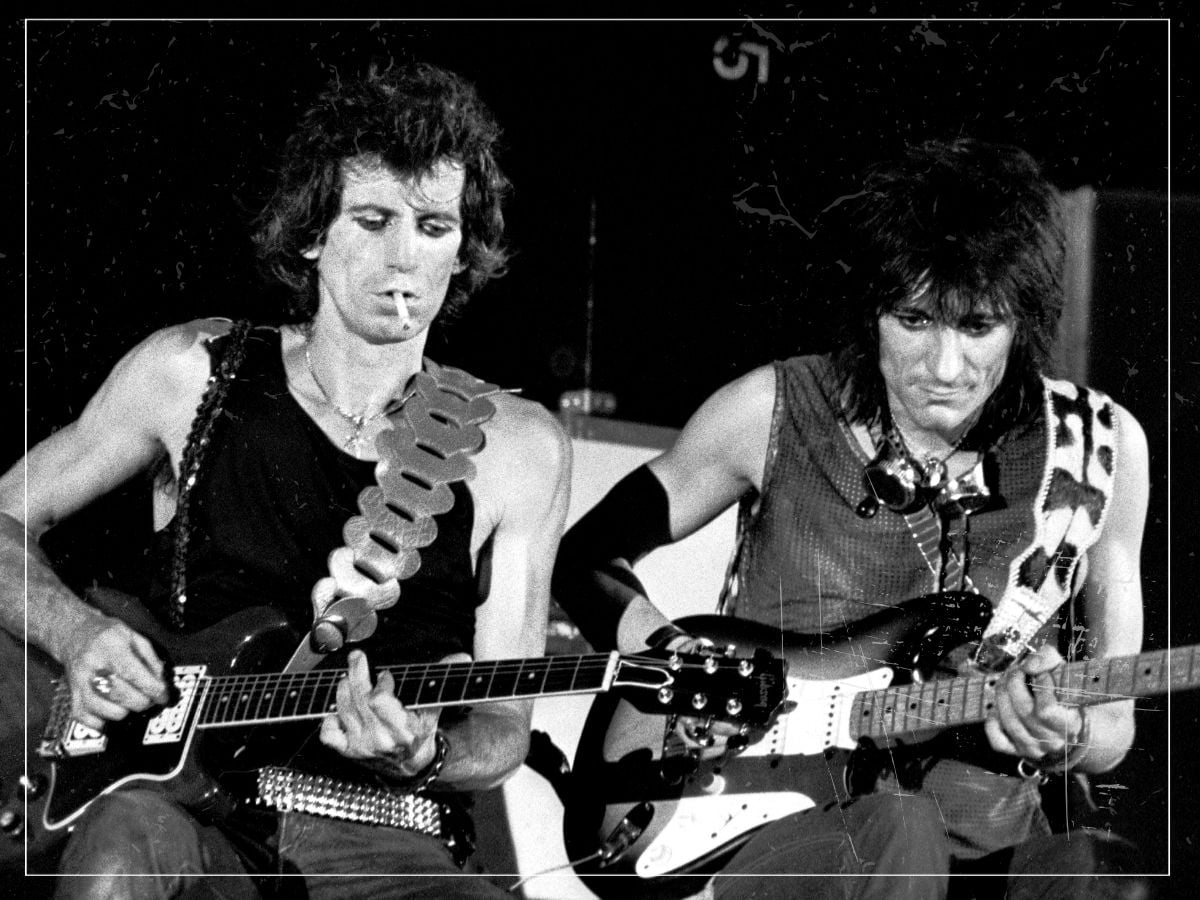
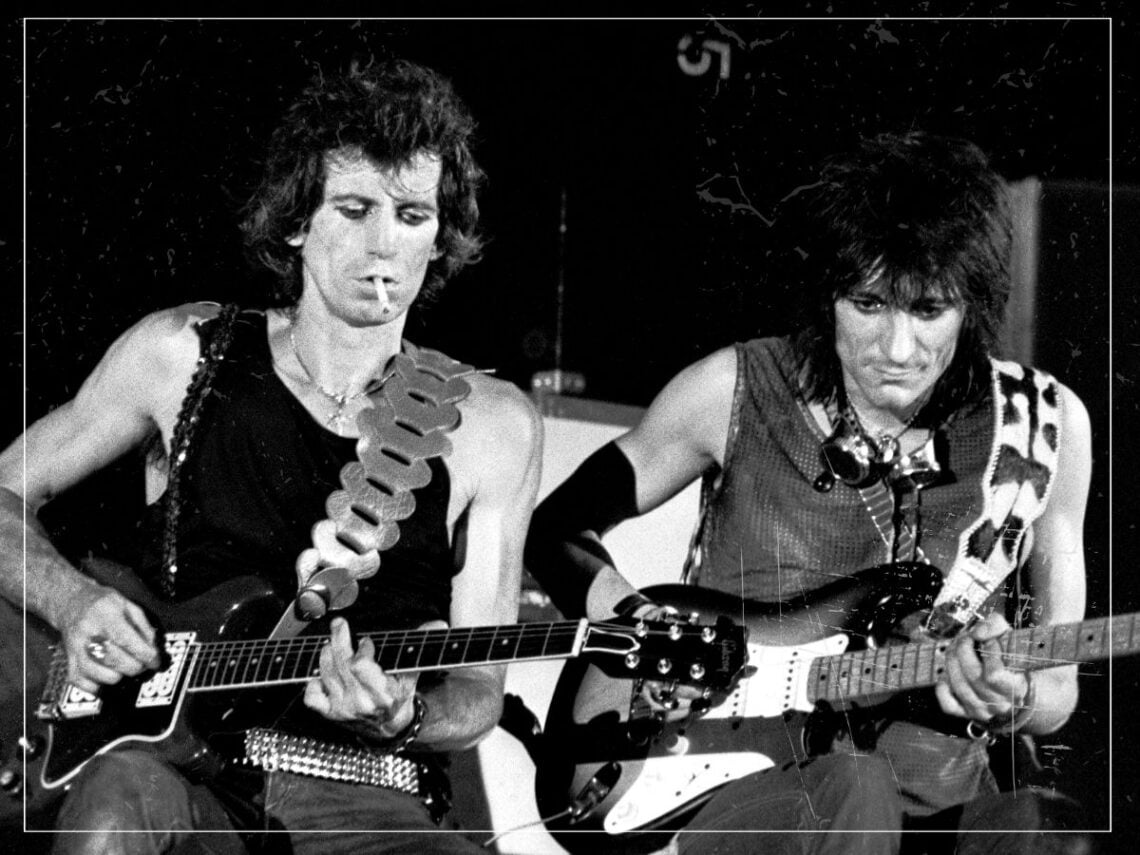
The Rolling Stones have always thrived on their guitar attack. Although Keith Richards has been dubbed the de facto guitarist throughout every iteration of the group, some of their best moments have come from what Ronnie Wood and Brian Jones have also contributed to the group. Although Mick Taylor was one of their go-to guitarists for their glory period, the band have been outspoken about some of the hardships of working with him.
Then again, Taylor was brought in out of necessity at the time. When Brian Jones started losing his way due to drug problems and a lack of creative control, his sudden death after his firing led to Taylor adopting a new role in the band. From being a hired hand, Taylor was in the trenches with Mick Jagger and Keith Richards, even helping pen some of their beautiful ballads like ‘Moonlight Mile’.
As the ‘70s went on, though, Taylor started to work on other projects before finding himself out of The Stones, leaving Ronnie Wood of The Faces to take over for him. After the last full album with them, It’s Only Rock and Roll, Taylor moved on to different solo projects and played with fellow icons like Bob Dylan.
When Dylan met with Ronnie Wood and Keith Richards during rehearsals for Live Aid, though, he remembered how difficult it was to handle Taylor’s working schedule. Dylan could never get a handle on Taylor’s approach to working, recalling, “He sure could play. Some nights he played he was incredible and other nights…Jesus. Never two nights in a row”.
Having known him from working in bands in the British music scene, Wood got to the root of Taylor’s problems, saying, “The great thing about him is – it was a horrible thing about him, is he’s so good a player, he just doesn’t know when to fucking stop, or start, sometimes”.
 The Rolling Stones with Mick Taylor. (Credits: Far Out / Alamy)
Even with all of the creativity trapped within Taylor, there was a strange similarity between his musical personality and his predecessor. Like Brian Jones, Taylor was always brimming with musical creativity but would always find himself better as a musician in a session rather than on his original material.
Richards couldn’t help but see the similarities, telling Wood, “He’s not really a ‘group’ man that much. He’s got too many ideas of things he wants to do, but there again, he’s got a little flaw, and he doesn’t have the energy to organise what he wants to do. Some people are fantastic accompanists, and even though they’re dying to get out there at the front themselves, it’s an illusion”.
That tension between brilliance and restraint ultimately defined Taylor’s time with the band. The Rolling Stones had always thrived on instinct and feel rather than technical perfection, and Taylor’s precision-heavy approach sometimes ran counter to that ethos. Where Richards prized groove, attitude, and negative space, Taylor was often drawn toward exploration and expansion, filling every available corner with melodic ideas.
In that sense, Taylor’s departure feels less like a falling-out and more like an inevitability. The Stones needed players who could serve the song first and the band second, while Taylor increasingly felt the pull toward musical freedom on his own terms. His legacy within the group remains untouchable, but it also stands as a reminder that virtuosity alone has never been the currency that keeps the Rolling Stones together.
Regardless of what Taylor wanted to do, he knew that his future would not need the rest of The Stones. When talking about his departure from the group in the mid-70s, Taylor cited his reason for his departure being the fractured relationship with the band, recalling to Gary Jones, “I was a bit peeved about not getting credit for a couple of songs, but that wasn’t the whole reason I left the band. I guess I just felt like I had enough. I never felt I was gonna stay with the Stones forever, even right from the beginning”.
Even after wanting to spread his wings, it would be another four years before Taylor struck out on his own with his eponymous solo album. Taylor might have graced The Stones with some of the greatest guitar parts of their career, but in hindsight, his need to create became his worst enemy.
Related Topics
The Far Out Bob Dylan Newsletter
All the latest stories about Bob Dylan from the independent voice of culture.
Straight to your inbox.