
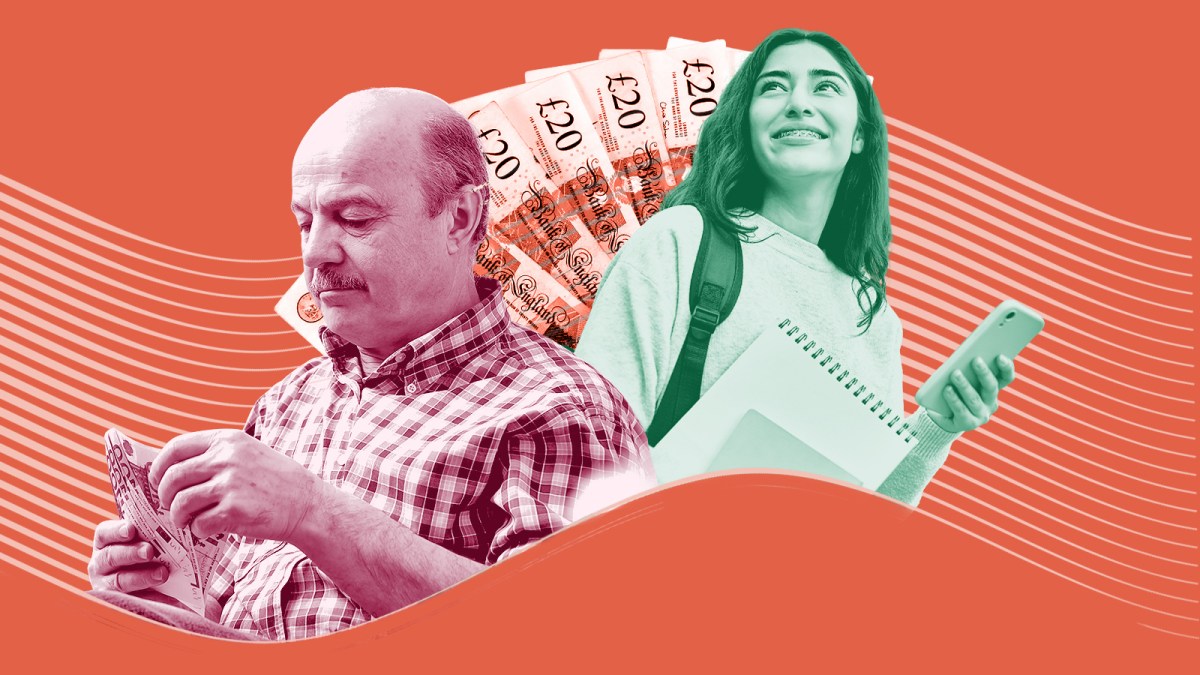
Sir Keir Starmer has staked his premiership and possibly the fate of Labour at the next election on the claim that we will feel richer in 2026.
He promised lower food and energy bills, wages that rise faster than prices and a general feeling that we are all better off.
But despite the prime minister’s optimism, the average household with two adults earning £40,000 a year will be just £407 better off this tax year compared with 2025-2026, according to the Centre for Policy Studies, a centre-right think tank.
Such a small improvement could easily be wiped out by a market crash, new conflict or another round of tax rises — all of which could be coming down the track in 2026.
Daniel Herring from the Centre for Policy Studies said: “The Office for Budget Responsibility [OBR] has projected real income growth this year but it will only make a small difference to most households. Even a modest domestic or global shock could wipe out these gains and see working households in a worse position than they were the year previously.”
The good news
There are some positive economic signs for the 12 months ahead. Inflation, which has been stubbornly stuck at about 3.2 per cent, is expected to fall to 2.5 per cent this year — although that would still be above the Bank of England’s target of 2 per cent.
A drop in inflation makes the Bank of England more likely to cut its base rate of interest — it made six cuts to Bank rate last year, most recently to 3.75 per cent in December.
• Is Keir Starmer right when he says we’ll feel better off in 2026?
Bank rate is forecast to drop to about 3.25 per cent by the end of 2026, which will be good news for those with a mortgage or other kind of debt — and anyone who owes money to HM Revenue & Customs, which uses Bank rate to set the interest it charges on late payments.
The energy price cap from the regulator Ofgem, which limits what suppliers can charge per unit of gas and electricity, went up 0.2 per cent in January to what would work out at £1,758 a year for the average household’s usage. Forecasts had suggested that gas and oil prices could be stable in 2026 but America’s intervention in Venezuela, a leading oil producer, could create volatility.
Starmer said that households will save £150 on their annual energy bill from April thanks to policy tinkering around the green energy tariffs. His government has also increased the minimum wage and scrapped the two-child benefit cap, a boost targeted at lower earners and some of the poorest families.
The bad news
Six weeks ago the chancellor, Rachel Reeves, announced £26 billion of tax rises in her budget, which, combined with a deep freeze on income tax thresholds, will lead millions to pay more tax this year and beyond. Many economists expect taxes to rise again before the next election to cover higher government spending and weak growth prospects.
• Keir Starmer’s Dr Feelgood act is unlikely to convince voters
Income tax thresholds have not changed since 2021 and will stay frozen until at least 2031 — in a stealth tax that will drag millions into paying higher rates of tax as their earnings and income, such as the state pension, rise with inflation.
Tax rates on dividend income will also go up 2 percentage points in April, in a blow to investors and entrepreneurs.
Wages are on track to outpace inflation in 2026 but workers should not be splashing the cash just yet — the OBR expects real wage growth, once inflation and taxes are factored in to be just 1 per cent. It means little change to the amount that workers actually pocket.
• How rich are you? Are you better off than you think? Are you a prudent saver or an excessive spender? Use our calculator to see how you compare
Food inflation ticked up to 3.3 per cent last month, representing one of the key pressures on household budgets. Tim Leunig, the chief economist at the innovation charity Nesta, said: “All the signs are that inflation will fall to around 2 per cent this spring. That will allow the Bank of England to cut Bank rate, which in turn will make mortgages, car loans and so on more affordable.
“But for all that, low wage growth and rising taxes mean that 2026 is unlikely to be a feel-good year.”
The Centre for Policy Studies said that many workers would be worse off but that those who get their income from the state, whether from a pension or benefits, would be better off. So who will really end the year richer and who will feel the brunt of higher taxes and sluggish growth?
Homeowners with a mortgage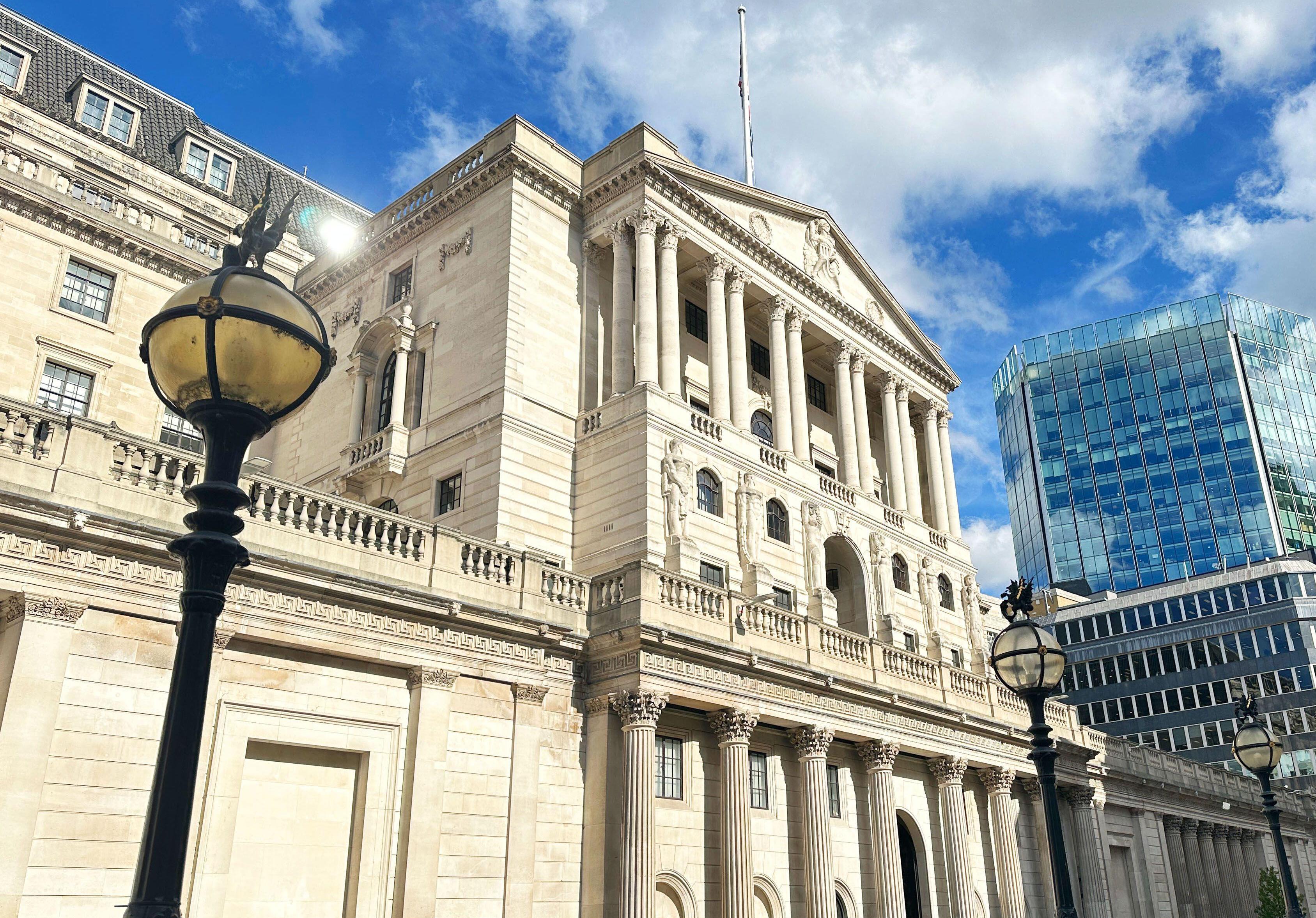
Rate cuts by the Bank of England could be set to make mortgages more affordable this year
ALAMY
Cooling inflation led to six interest rate cuts from the Bank of England last year, and economists expect more in 2026. Mortgage rates have fallen — the average two-year fix is now 3.97 per cent, according to the Bank of England — but are still typically higher than in 2021, when the average rate was about 2 per cent. They are, however, lower than in 2024, when average rates were as high as 5 per cent.
A drop in rates will be good news for the 1.8 million people coming off fixed-rate deals this year, particularly for the 392,000 who took out two-year fixes in 2024, when the average rate did not go below 4.53 per cent. The lowest two-year fix for someone remortgaging now is 3.66 per cent from NatWest, available at up to 60 per cent loan-to-value (LTV), with a £1,495 fee.
Someone with a £200,000 25-year mortgage would save £97 a month — £1,164 a year — on repayments at 3.66 per cent compared with 4.53 per cent. And leading lenders including Barclays, Halifax and HSBC have already cut mortgage rates this week.
James Tatch, the head of analytics at UK Finance, said: “We expect an increase in mortgage switching as people shop around for the best deals. We also expect the number of households falling behind on their mortgage payments to fall 5 per cent, moving towards the historic lows seen in 2022.”
• The best UK mortgage rates this week
Lucian Cook from the estate agency Savills was more tempered, believing that further rate cuts would not necessarily lead to more optimism among homebuyers. “There will be no substantial shift for borrowers because the mortgage markets are not going to change dramatically. There is more likely to be a gradual improvement in mortgage affordability, depending on the pace of interest rate cuts.
“We are expecting two cuts this year but that may have already been priced into mortgage rates.”
Most analysts expect Bank rate to drop to 3.25 per cent by the end of 2026.
Cook said: “If there are more cuts than expected that could be a double-edged sword: mortgage rates will come down but it could mean the economy is weaker. We will need an increase in consumer confidence to take advantage of improvements in affordability.”
Verdict: lower interest rates are good news for most people who have a mortgage and particularly good for the hundreds of thousands coming off two-year fixes.
Higher earners
The freeze on income tax thresholds has compounded a punitive tax trap for some 700,000 workers who pay an effective tax rate of 62 per cent, according to HM Revenue & Customs data.
For every £2 earned over £100,000, taxpayers lose £1 of the £12,570 tax-free personal income allowance. Once earnings hit £125,140, the allowance is wiped out altogether. Those earning between £100,000 and £125,140 therefore face a marginal income tax rate — the tax they will pay on the next £1 they earn — of 60 per cent with an extra 2 percentage points added for national insurance.
Parents who earn £100,000 also lose access to 30 hours of government-funded childcare a week for children under three and the annual tax-free childcare allowance that is worth up to £2,000 per child.
Higher-rate taxpayers with investments will pay 35.75 per cent tax on dividends from April (up from 33.75 per cent), as the government focuses tax rises on “unearned” wealth. You get a £500 tax-free dividend allowance each year. Basic-rate taxpayers will pay 10.75 per cent, up from to 8.75 per cent.
Verdict: higher earners will feel the big freeze more keenly so are likely to feel worse off this year.
Low earners
Workers on minimum wage will get a pay rise in April when the hourly rate goes up 50p to £12.71. Those aged 18 to 20 are in line for a bigger boost as their hourly rate jumps from £10 to £10.85.
A 21-year-old working an average working week between April and the end of the year will net an extra £721.50 in pre-tax pay. Katherine Chapman from the Living Wage Foundation, a campaign group, said: “April’s increase will be a welcome boost as the lowest earners struggle to meet basic costs. We’ve seen prices creeping up over the past year and yet again it’s the lowest-paid workers who are bearing the brunt because more of their take-home pay is spent on essentials.”
The Resolution Foundation, a left-leaning think tank, expects real wages to fall for the poorest half of workers by 2030.
Verdict: those on minimum wage will be better off this year.
Commuters
One widely welcomed change from October’s budget was the freeze in rail fares until March 2027.
Those travelling on some of the busiest lines could save hundreds of pounds. The Treasury said that someone commuting three days a week from Milton Keynes to London would save £315 this year, while someone going from Woking to London would save £173.
Fuel duty has been frozen again at 52.95p a litre for petrol and diesel, with the temporary 5p cut introduced in 2022 extended until September. The AA motoring organisation said it would save motorists with a typical 55-litre fuel tank £3.30 each time they filled up.
Verdict: commuters will make savings that should boost household budgets.
Pensioners
Pensioners are likely to be measurably better off this year
ANDY ANDREWS/GETTY IMAGES
The triple lock guarantee means that the full new state pension will go up 4.8 per cent in April from £11,973 a year to £12,548.
The government has committed to the lock, which ensures that payments go up in line with inflation, wage growth or 2.5 per cent each year — whichever is highest.
Reeves has also pledged to go further with a “quadruple” lock where pensioners whose only income is the state pension will be assured that they will not have to pay income tax when payments exceed the frozen £12,570 personal allowance next year. Pensioners with income below £35,000 will also get a winter fuel payment of up to £300 — reinstated after Labour backbenchers objected to its removal.
Verdict: pensioners should be measurably better off this year.
Those on benefits
The government has increased the standard rate of universal credit from £4,802 a year to £5,099, so someone on out-of-work benefits will get an extra £297. The benefit is projected to be worth £5,637 by 2030-31.
Those claiming other benefits will be even better off if they rise as predicted, the Centre for Policy Studies said.
The scrapping of the two-child benefit cap will also be a boost to millions of families. Ruth Curtice from the Resolution Foundation said: “After large, low-income families being at the heart of benefit cuts for over a decade, the abolition of the two-child limit will deliver a long overdue windfall and instantly lift half a million children out of poverty.”
Verdict: benefit claimants should feel better off this year.
Graduates
Starmer said that there is a “crisis of opportunity gripping young people” with more falling into unemployment or battling a tough jobs market after graduation.
The salary thresholds at which you have to start repaying a student loan have been frozen, so graduates earning more will be paying more of their monthly income to the Student Loans Company. By the end of the decade graduates earning just £400 a year more than the minimum wage will be losing some of their salary to loan repayments, according to OBR forecasts.
Toby Whelton from the Intergenerational Foundation, which campaigns on behalf of younger people, said: “It is an exceptionally difficult time to be young and there is little reason to believe that 2026 will be any easier.
“Young people have been the most squeezed by the cost of living crisis. They have faced the same inflationary pressures as everyone else but on top of that have had to contend with spiralling housing costs. Graduates face a double whammy as higher taxes coincide with rising monthly student loan repayments.”
Verdict: graduates facing a tough jobs market and higher rents and loan repayments are unlikely to feel better off.
‘I went to Cambridge. Two years on and I still don’t have a graduate job’
Alice Hickson, 22, has a philosophy degree from Cambridge and a master’s from LSE — academic achievements she hoped would set her up for a promising graduate role.
But she had to give up her teaching assistant job at a school in Camden, north London, which paid £18,000 a year, because she could no longer afford the £900 a month to rent her room in a shared flat in east London.
She has moved back in with her parents in Greenwich, where she is doing “full-time job applications. I can count on one hand my friends with Cambridge degrees that are not living with their parents and have jobs that match their credentials”, she said.
Hickson wants to work in policy or communications but has been applying for a broad range of graduate roles for two years with no luck. “I’m massively concerned about my finances for the year ahead. My best chance of becoming independent again was to move home and go full throttle at finding a job that pays me enough to move out again.”
Hickson said she is so far away from meeting the repayment threshold for her student loans that the freezes announced in the budget are not a concern. She added: “I can be frugal but renting is not feasible right now. I would need around £1,000 a month, plus money for bills and enough to live on.”