
(Credits: Far Out / Alamy)
Fri 9 January 2026 18:47, UK
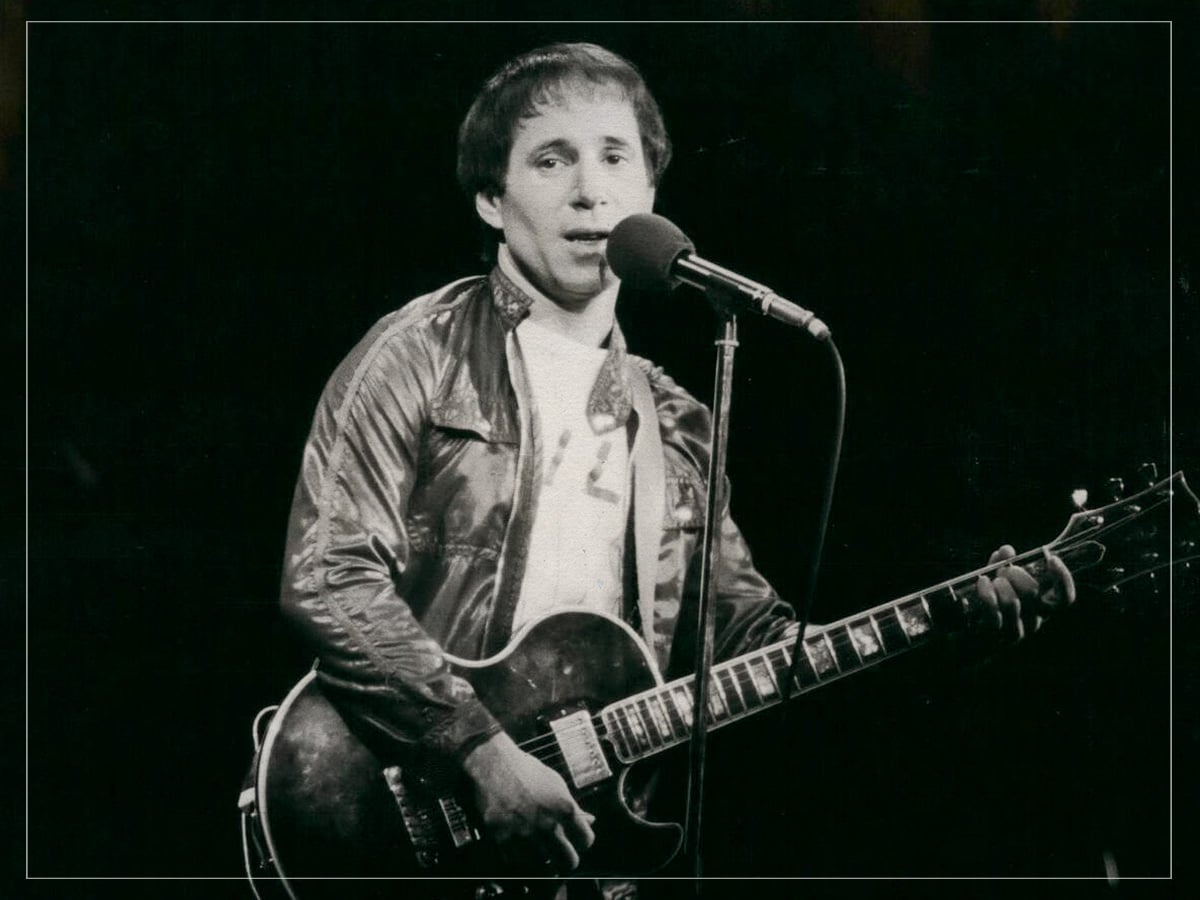
It’s safe to say that Paul Simon could be a masterful arranger no matter what kind of band you put in front of him.
As much as he was a songwriter before anything else, he knew what he wanted to hear whenever he made a record and when looking at the way that the band interacts with each other throughout all of his solo albums, he clearly had a general idea of who should play what and how each instrument needed to interact with each other. But even for someone with that much foresight, Simon could tell when he had reached songs that were off limits for him to perform.
Then again, hearing what he could do on Graceland was the moment that most people realised they were dealing with a genius. What Simon did wasn’t all that dissimilar from how he approached one of his more folksy records, but after traveling to South Africa and observing how the musicians internalised harmony, he practically reverse-engineered his usual approach to writing and managed to find the beauty in the songs while jamming.
Which is a far cry from the more pristine stuff that you would find on some of his early records. Bookends practically has every last detail thought out when looking at each tune, and even if we’re talking about Still Crazy After All These Years, session legend Tony Levin remembered moments where Simon would go to every single musician, play the song for a couple of minutes, and tell them exactly what needed to be played for a song like ‘50 Ways to Leave Your Lover’ to sound massive.
But the best part of being a musician is the idea of collaborating with your fellow musicians during every session. Hearing how everyone’s musical heart beats is part of what makes music sound so good onstage, and while everyone from Levin to Steve Gadd to Bakithi Kumalo added their own unique flavour, Simon could never forget the one person that helped him under the meaning of the word compromise in the first place.
As much as Art Garfunkel may have driven him up the wall at certain points, there was no denying that their dysfunction is half of what made them great. Simon may have had all the songs in his head, but you can’t cut out Garfunkel’s performance from some of their greatest hits, and even when Simon first struck out on his own, he knew he would be a fool if he tried to play those same songs without that signature harmony behind him.
He could have easily given it to one of his touring bandmates, but it would have felt wrong for him to even attempt tunes like ‘The Sound of Silence’, saying, “Obviously I can’t sing songs like ‘The Sound of Silence,’ ‘I Am A Rock’ or ‘Homeward Bound’. Maybe ‘The Boxer’. And I might do ‘Bridge,’ but I would feel extremely anxious about it, because I don’t have the same vocal instrument Artie does, and it’s a song so associated with his rendition.”
The same could have been said for those dark ages when Oasis fractured in half as well. The Gallagher brothers were forever connected with one another, and while Noel wrote the majority of the band’s best material in the 1990s, there was always going to be a bittersweet feeling if he bothered to play a song like ‘Supersonic’ without his brother standing by his side onstage.
At this point, Simon and Garfunkel may not have wanted anything to do with one another, but their multiple reunions have proven that some of the greatest musical bonds can transcend any pointless bickering. The duo could rub each other the wrong way, but in the same way that Simon couldn’t sing ‘The Sound of Silence’ by himself, so too could Garfunkel not have performed it without that steady acoustic picking from his friend.
Related Topics