
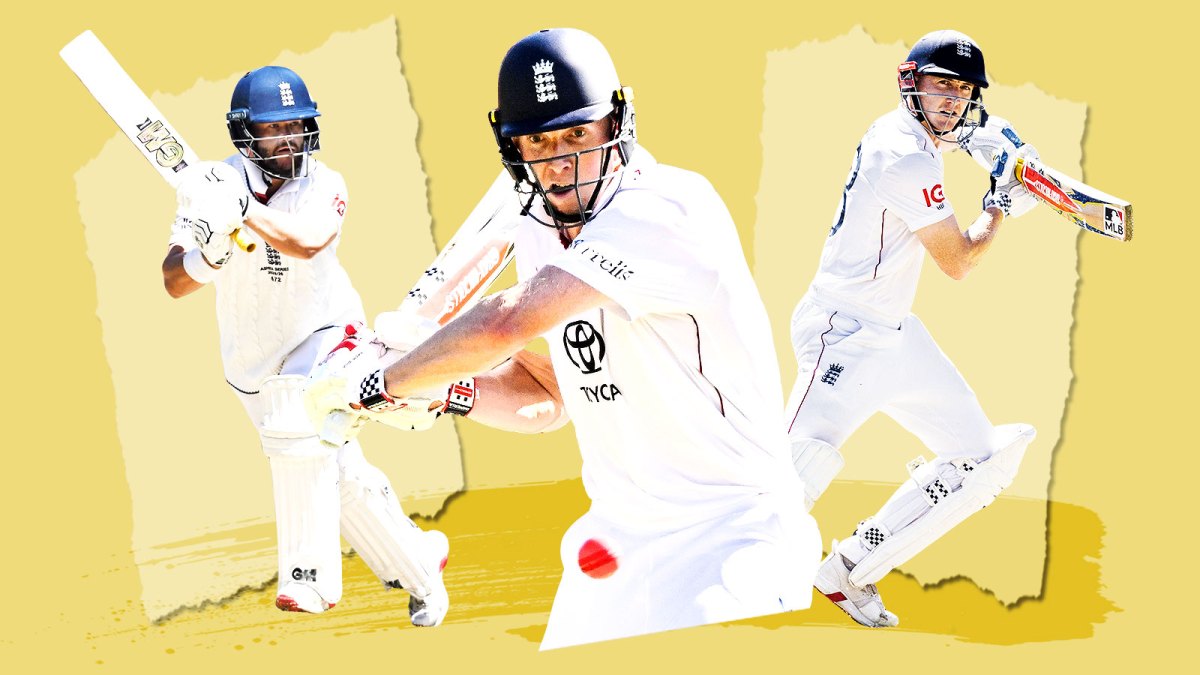
From a batting perspective, Bazball’s core tenet was one of reducing the fear of failure, which is why it was so fascinating to see for us old-timers who were always racked with that fear. But it was always going to be fiendishly difficult to maintain that philosophy against top-class bowlers in the most testing of conditions and circumstances.
India away in 2024, and now this Ashes series, have proved as much, with this trip becoming more difficult when the preparation was insufficient for the players to formulate adaptive, positive game plans for the bouncier pitches. When the heat was fiercest, England’s batsmen were confused, often not playing Bazball at all, resulting in some horrendous decision-making. Whether Brendon McCullum remains as head coach or not, some of these batsmen need to be smarter, some need to be better, and one or two need to go. So, let’s have a look.
Zak Crawley
Time to go, sadly and I say sadly because he is so good to watch when in full flow. But if McCullum is to stay, then making this decision would offer the biggest statement of all about a modified regime. Crawley has played in 64 Tests for an average of 31, so could hardly complain. He did very well to recover from his pair in Perth but surely not enough to justify retention, with just one century now — against Zimbabwe — in 47 innings since making 189 against Australia at Old Trafford in July 2023.
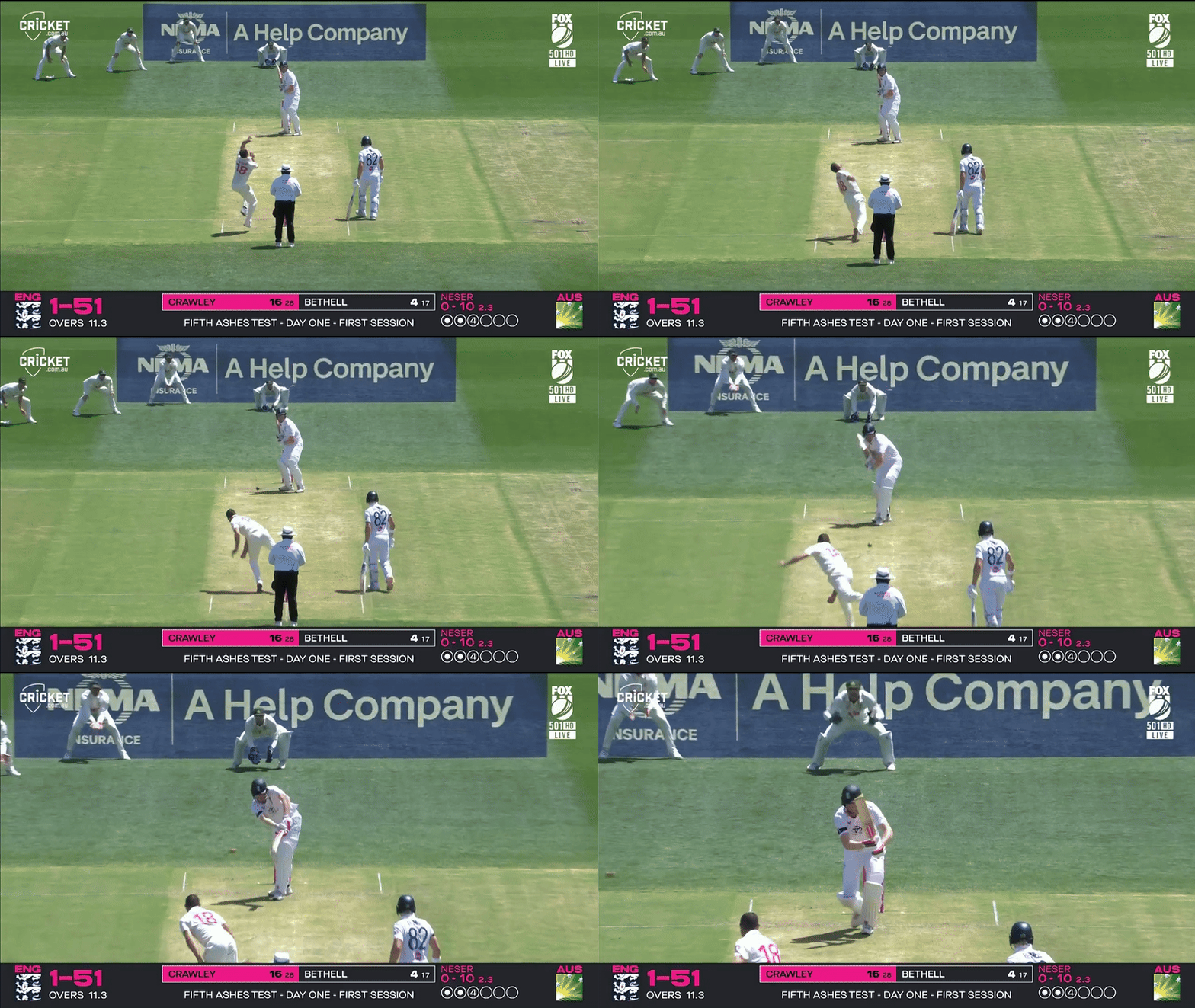
Crawley’s open stance leads to problems with a crooked bat path
He made more runs than Marnus Labuschagne in this series, but Labuschagne looks shot too, and by the end Crawley was sporting a very open stance, which made his problems with a crooked bat path even worse, as evidenced by his leg-before dismissal in the first innings in Sydney. He has always looked a much better fit as a one-day international opener, and now has the chance to show that. His replacement in the Test team? One from Durham’s Ben McKinney, Sussex’s Tom Haines and Glamorgan’s Asa Tribe, with Tribe having particularly impressed for the Lions in Australia, albeit in the middle order, as well as in the SA20 since then.
Ben Duckett
Such a disappointment. Not one fifty in the whole series says it all. The worry was that the bouncier pitches would scupper his no-leave game and that, sadly, was what transpired, leaving him befuddled and emasculated. He soon realised that running down the pitch is not so easy in Australia and then began to question everything about his method. His catching, general fielding and athleticism all left much to be desired too.
You suspect that he will get another go but I would be tempted by a completely new opening pair as I fear we have already seen the best of him. He will not be helping himself by being at the Indian Premier League before next summer’s Test series.
Ollie Pope
At 28 he could possibly come again, but that is more likely as a wicketkeeper/batsman at No6 than as a specialist, and, like Crawley, he can have no quibbles about his demotion after failing so spectacularly against England’s biggest opponents, Australia, averaging only 17.62 without a half-century in eight Tests against them and being dropped for a second time in Australia.
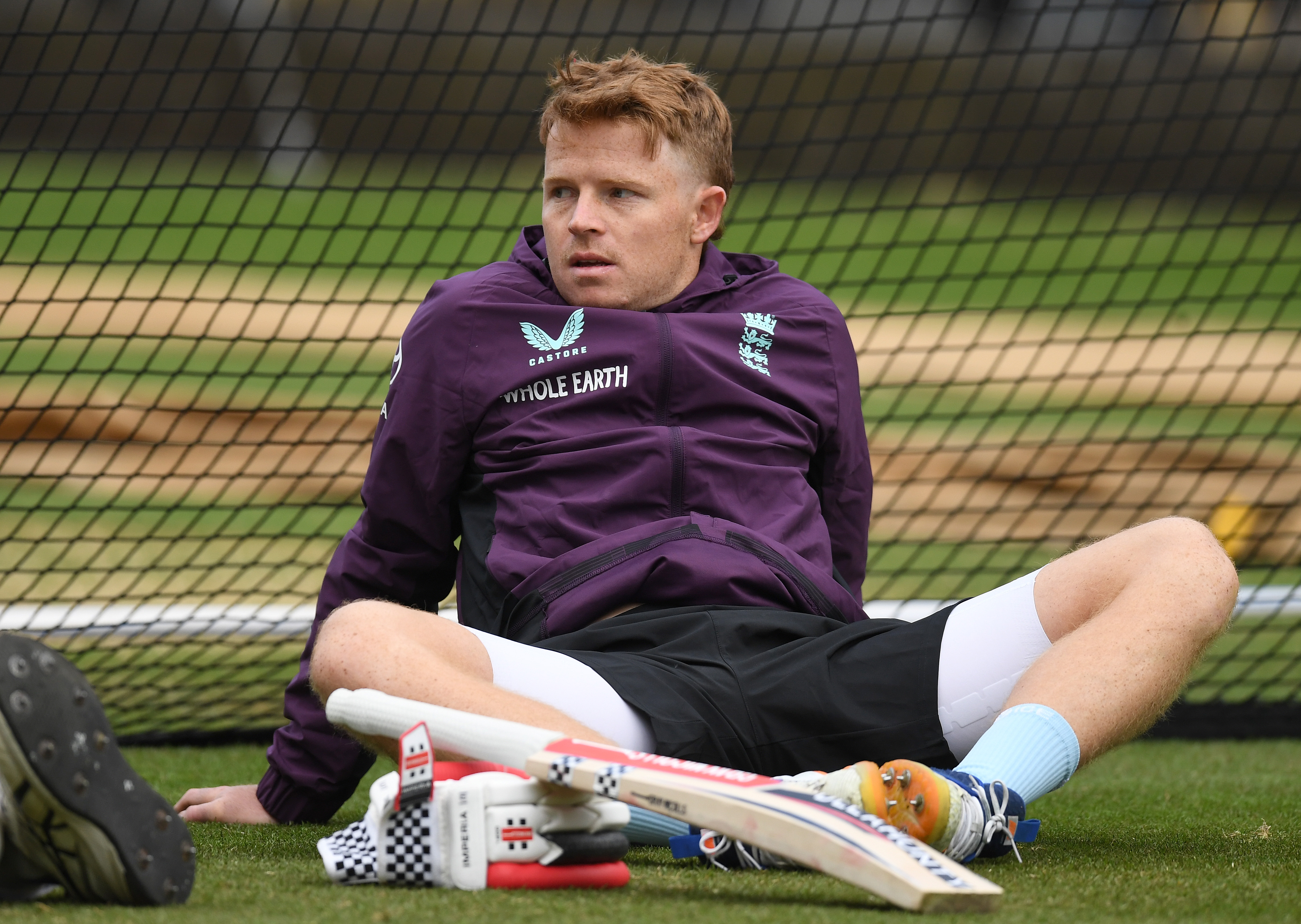
Pope was dropped midway through the series
PHILIP BROWN/GETTY IMAGES
He averages only a tick under 40 in 36 Tests overall at No3, which, even with the considerable caveats of a double-century against Ireland and 171 against Zimbabwe, is a notable effort for a player never really suited to the role, but technical shortcomings — especially a head that is always too eager to befriend gully — means freneticism is always nearby.
Jacob Bethell
The present, the future and the agonising question of how different the recent past might have been had he been selected earlier. He’s here to stay for a long time, it’s as simple as that. Indeed it’s as simple as his technique, which is wonderfully uncomplicated and easily capable of eradicating small flaws, such as too much weight being on his front foot when pulling — a problem solved on this trip.
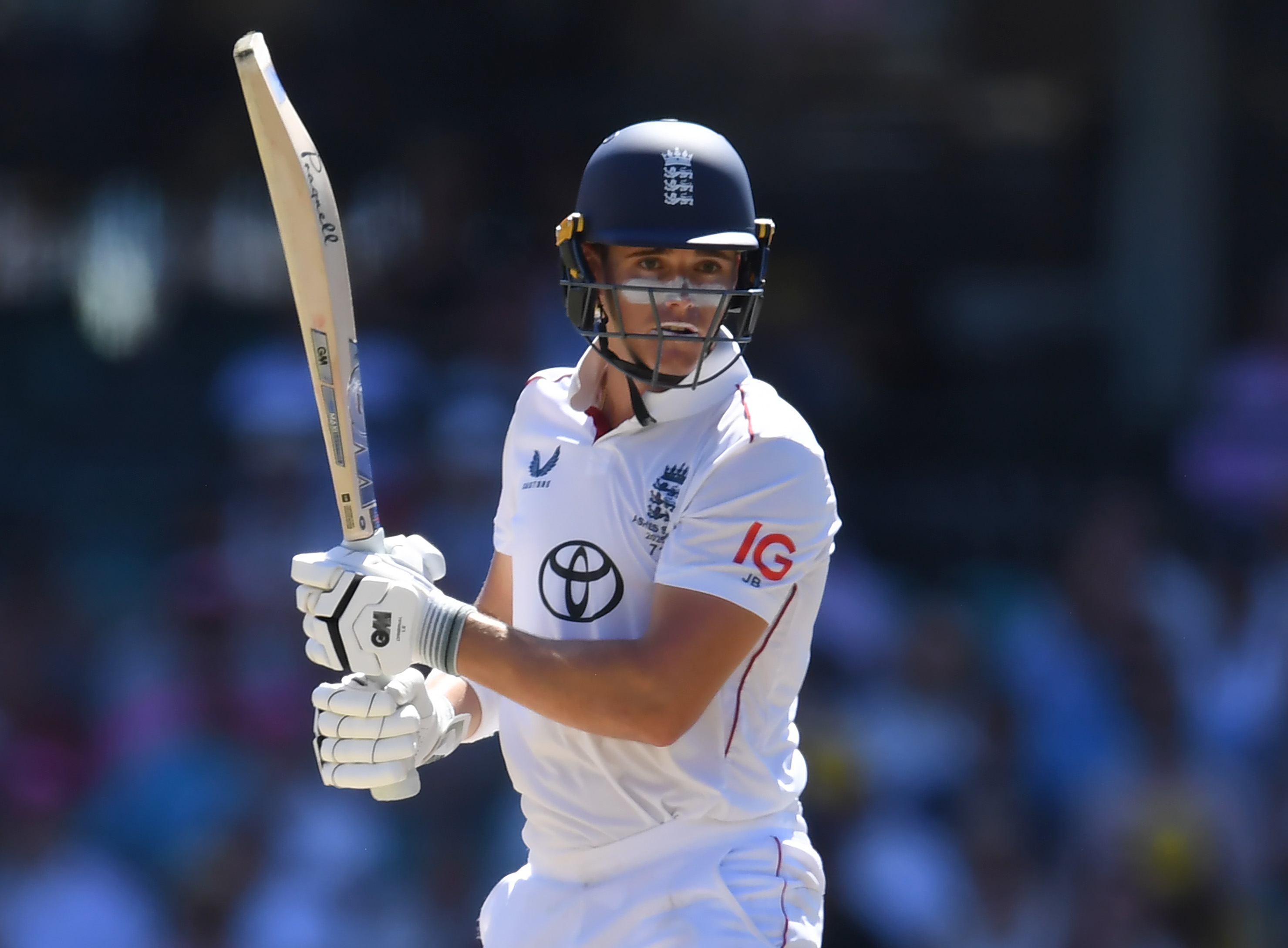
Bethell’s century in Sydney offered a glimpse of what might have been had he been given a chance earlier in the series
PHILIP BROWN/GETTY IMAGES
He had some hairy moments early in his century in Sydney — a couple of edges that fell short of catchers as well as a blow to the helmet — that have been easily forgotten, but they will serve as a reminder to him of just how tough Test-match batting in the top three can be, as well as how that technique and a delightfully equable temperament can cope.
Joe Root
He will be disappointed. He scored two centuries, slinging the albatross named ‘away Ashes centuries’ from his neck, but neither resulted in victory. Only seven of his 41 Test centuries have come in defeats and six of them have been in the Bazball era. He could do with a lot more help, and will be frustrated not to have made more significant contributions outside of those hundreds, but he is still a joy to watch when his movements are in sync, a picture of busy-yet-flowing industry and excellence, and we really should cherish him while we can.
Harry Brook
Previously, I was always prepared to fight Brook’s corner because of an outrageous ball-striking ability that, in fairness, still harbours a remarkable Test average just shy of 55, but the news of his stupidity in New Zealand has really irked. I thought those days of drinking the night before a game were gone with the peanuts once paid to county cricketers. It is an act that is very hard to forgive and, in my view, he should have been stripped of any leadership responsibilities immediately.
Maybe that incident explains some of his batting in the series: a player considering himself both invincible and untouchable. Some humility would not go amiss, which can be manifested in some sager shot selection.

Brook must keep his hands back for longer to avoid tame dismissals like this in the first innings in Sydney
Technically he could do with some work too. He needs to move more from his trigger movement when defending and when playing off the back foot, whether defending or attacking, he must keep his hands back for longer, otherwise it will result in the sort of tame dismissal that deprived him of his first Ashes century in the first innings in Sydney.
Ben Stokes
In late 2020, Steve Smith announced after a poor run of form that he had “found his hands again” to much merriment and bafflement, but he was saying he had rediscovered his rhythm and flow. Hopefully Smith offered Stokes some tips post-series, because, boy, does the England captain need to find them again too. When the Ashes were lost, I did a piece detailing England’s most disappointing batsmen in the series, with Duckett at the top and Stokes only at No4 in the list of frustration. Now I would place Stokes up there with Duckett. He had such a mediocre series with the bat.
Last year, Stokes unwisely toyed with copying Brook’s high, almost stationary, backlift and, though he has since tried to return to his previous down-and-back-up method, he is nowhere near the player he once was. Sometimes the hands are more important than the feet in generating movement and strong positions, and Stokes is too static now, often camped well behind the crease line. Maybe it is time for him to retreat to No7, where he had success against New Zealand last year, and admit that the captaincy and his bowling are more important.
Jamie Smith
The only problem with Stokes going to seven is that Smith would have to be promoted, which would seem very odd given the underwhelming nature of his trip, but Smith is a player with whom England should persevere and moving him to six might alter his mindset and approach for the better. He is nowhere near the cymbals character some would have you believe he is as a wicketkeeper, and he still averages 41 with the bat in Tests, despite playing what has already been widely decreed as “the worst shot in Test history” in Sydney.
Please enable cookies and other technologies to view this content. You can update your cookies preferences any time using privacy manager.
Enable cookiesAllow cookies once
What about Shannon Gabriel slogging when trying to save a game against Pakistan in 2017? That was worse, surely. Smith will have been embarrassed by being conned by Labuschagne’s bouncer barrage (which, incidentally, was reaching speeds higher than Matthew Potts’ later in the day) and being caught at deep extra cover, but it is easily explained by two ideas that permeate Test cricket now because of the T20 game. Firstly premeditation — Smith was expecting the ball to be outside off stump like the previous one, so premeditated a slap over the off side, but was tucked up when it was straighter. And secondly, that the position of fielders no longer matters where hitting is concerned, as evidenced earlier in his innings when Smith hoisted Mitchell Starc over fine leg. Batters these days back themselves to clear the ropes, which, as Smith found, is not so easy on Australia’s vast expanses.
Technically, Smith must improve his front-foot defence, which is not helped by his front foot crossing over in his trigger movement, and often barely moving again from there, resulting in a straight front leg and an inviting gap. Pope could, of course, take his place at six, but more likely is a call-up for one of the Somerset Rew brothers, James or Thomas, with the latter the more exciting.
Will Jacks
Apparently tried hard to rival Smith for worst shot ever when hoisting Beau Webster to deep mid-wicket in Sydney, but was clearly aiming much straighter, even if it was a highly ambitious stroke to only his second ball. He is a talented cricketer but not necessarily a Test cricketer capable of batting in the top six or being a frontline off spinner.