
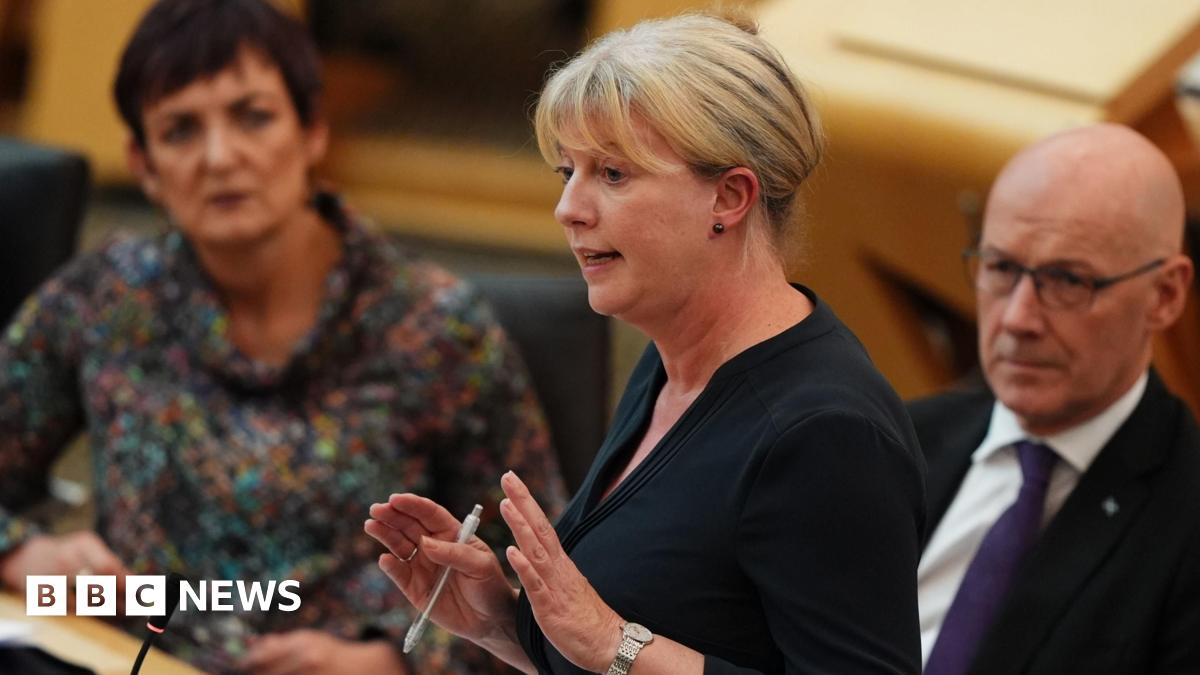
Shona Robison does not have a majority of SNP MSPs to get this budget passed as legislation. She requires opposition parties to vote with her, or at least not to oppose her.
In the past, the SNP has relied on Tories, Lib Dems and Greens. It may look to at least one of them again.
But this looks trickier than usual, only weeks from a Holyrood election, where parties wish to emphasise their differences.
One lesson learned from last year is not to load into the draft budget a range of measures intended to appeal to other parties. It’s more effective to leave them to negotiation, so that those opposition parties can claim to have made the difference.
Opposition parties are setting out their demands – some credible and feasible, others crafted for rejection. Greens want widened access to free bus travel. Conservatives want lower tax bills with lower welfare spending.
Lib Dems have been arguing for a pause to business rates revaluation and more support for island communities affected by ferry disruption.
All that positioning may count for nothing if Labour abstains, which it has indicated it will do. That denies smaller parties any leverage over the budget, and it could help Labour look serious about inheriting this budget, as Anas Sarwar hopes to do, after May’s election.