
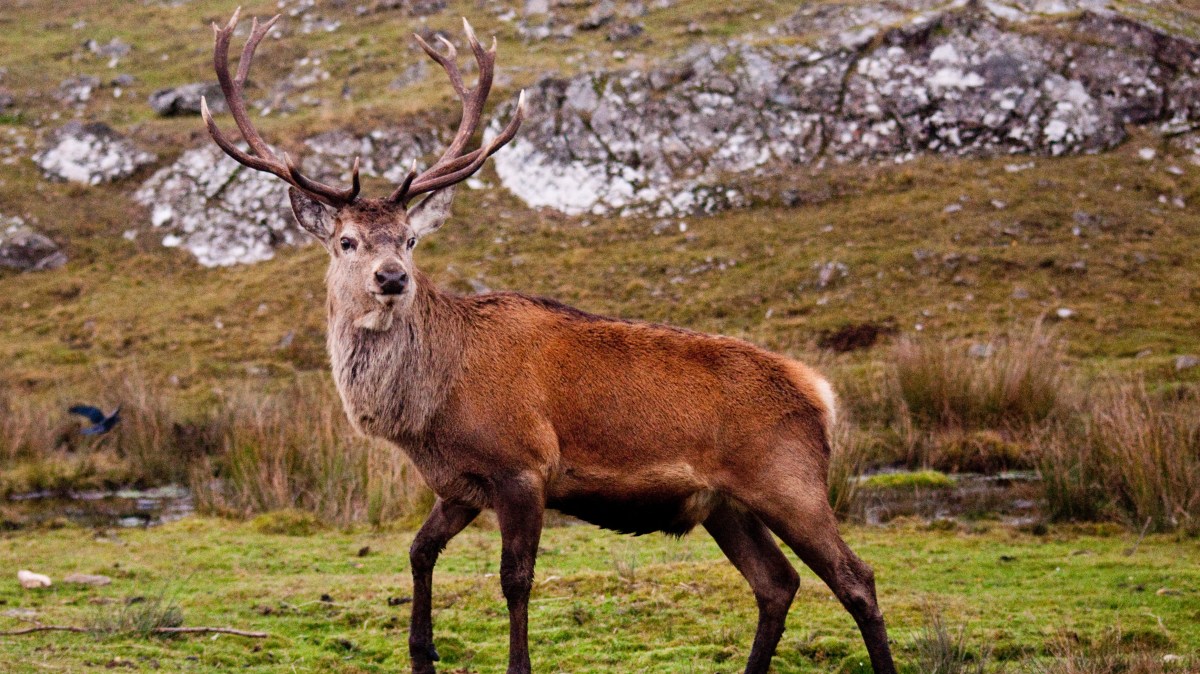
Students should be encouraged to eat venison at university to keep the nation’s deer population numbers under control, campaigners have said.
An estimated 350,000 deer were culled last year but at least 750,000 need to be killed to stop them devastating tree-planting efforts, experts believe.
With no predators, numbers of Britain’s muntjac, fallow, sika, Chinese water, red and roe deer have swelled the nation’s population to between two and three million, said David McAuley, the chief executive of the British Deer Society, a charity promoting responsible shooting.
They damage saplings and strip vegetation that could provide habitat for farmland birds, hazel dormice and other species. Other problems include crop damage and car crashes.
Although there are organised culls, McCauley said the “Bambi effect” can cause negative views of those who shoot deer to check their numbers. The focus needed to shift from culling to producing food, he said.
McCauley, who helped build the Trussell Trust into the UK’s largest food bank, said: “I reckon that if we could get the universities in the UK, just the universities, to be buying venison, we will have solved the venison problem because there’s that many universities.” He is talking to Exeter University and the University Caterers Organisation, a nationwide procurement group.

In a research trial at Plumpton College, an agricultural college in East Sussex, students were served venison burgers, bolognese and fajitas alongside regular dishes. While 43 per cent had never tried venison before, 97 per cent said they would eat it again, found Georgina Cockett from Sussex Grazed, a meat box scheme.
She has been working with landowners and deer stalkers, including a “hairdresser by day and deer stalker by night”, to control deer numbers, butcher the carcasses and sell the cuts in Sussex. Last year they killed 16 animals, resulting in 62 boxes of venison cuts sold for £65 each.
She said. “People say: ‘I’ve had venison before and I absolutely didn’t like it. It tasted too gamey.’ But then when you break down why they have these misconceptions, it’s often they had it a very long time ago and it was a different breed of deer.”
McCauley said cullers often sabotaged efforts to persuade people to eat more venison by posting photographs of carcasses on social media rather than “nice” shots of venison cuts. The distribution network often “crashes” because of the seasonal surges of the culls, and Cockett said butchers may also need to learn new skills to turn carcasses into cuts.
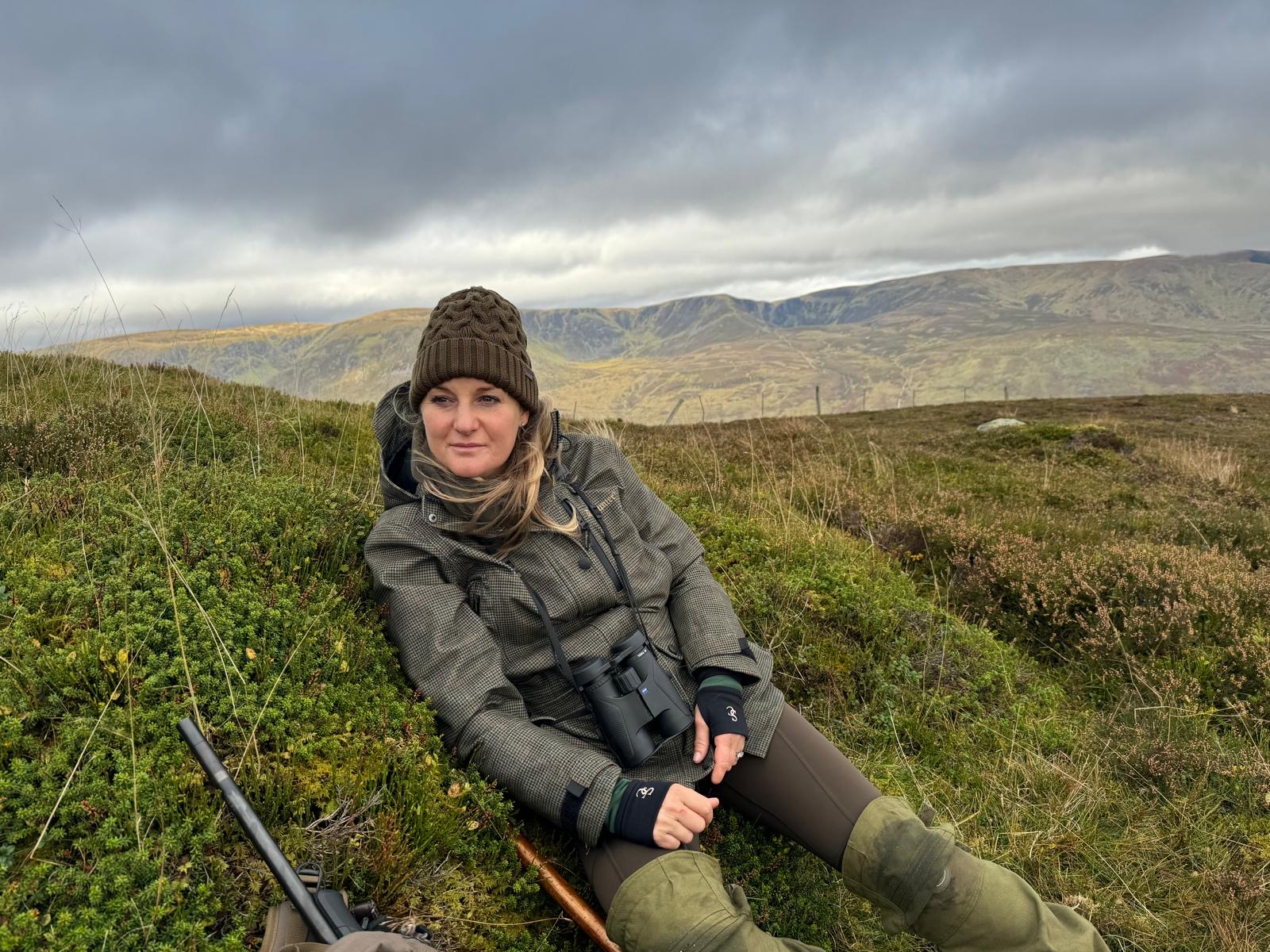
Jodie Simpson is a deer stalker working with Sussex Grazed
New schemes culling deer for venison are starting this year in Wiltshire, Suffolk, Devon and Cumbria. A group of farms in Wiltshire covering an area the size of the Isle of Wight hope to reduce high deer numbers and supply the resulting venison to schools and hospitals.
One recent driver of a new appetite for venison is the price of beef, which has risen by 27 per cent. Another is the need for food banks to get a cheap source of protein.
The Country Food Trust worked with deer stalkers to kill 884 deer in Sussex last year. The resulting meat provided 170,000 meals from venison pasta bolognese to pheasant casserole for 69 food banks across the county. SJ Hunt, the trust’s chief executive said: “Our chosen form of protein is wild meats. That’s because this country is abundant with them.”
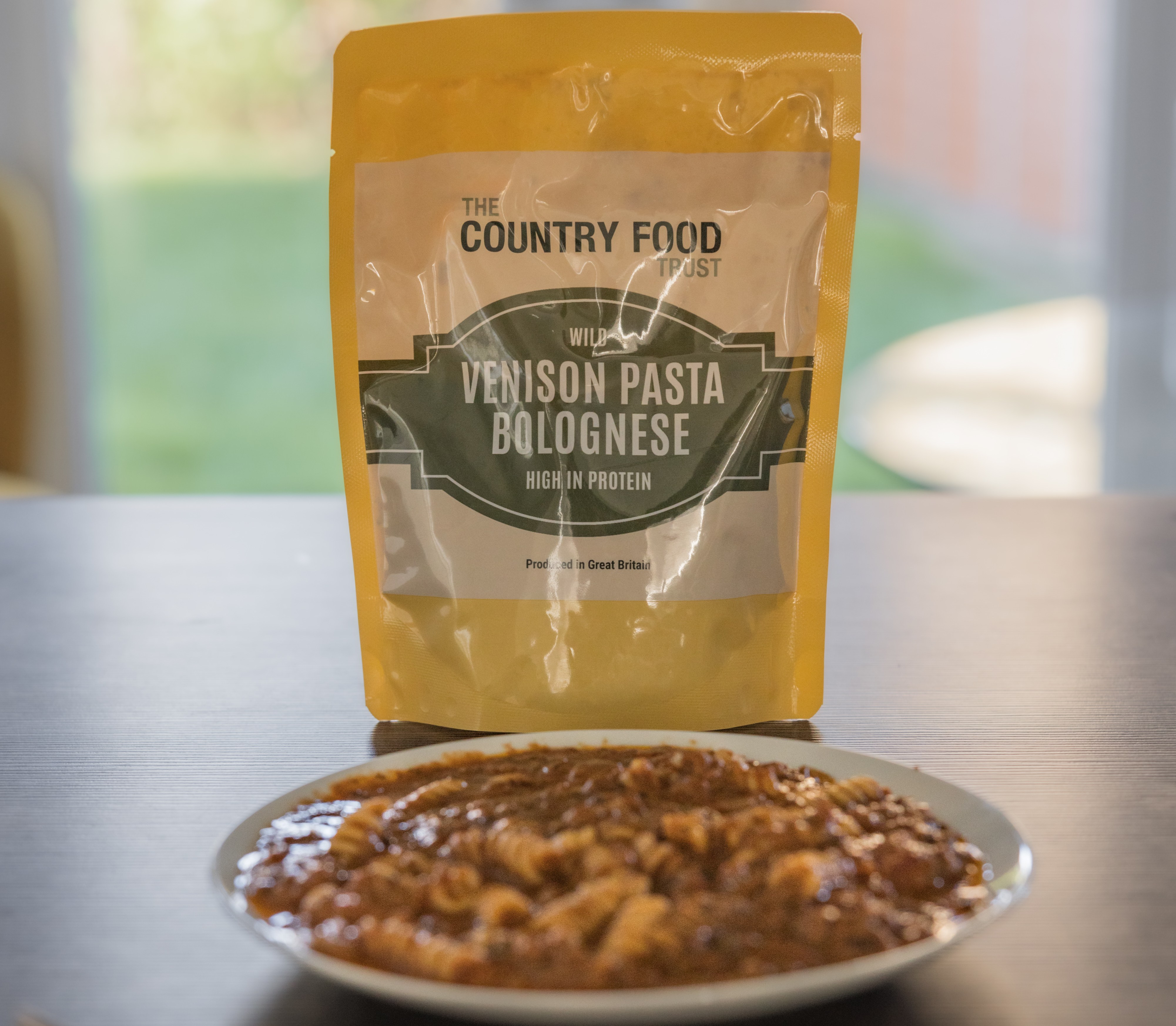
The Country Food Trust makes high-protein ready meals from pheasant, partridge, venison and wildfowl donated by the shooting sector
Critics of deer culling say contraception would be a better way to control their numbers. Some rewilding advocates have suggested bringing back lost carnivores; lynx have been shown to deter deer from browsing on trees, for example.
McCauley said contraceptives are expensive and impractical. “Culling deer responsibly means that we can use the venison. The government’s pushing for nature recovery. They’re planting trees but they’re planting the most expensive deer food,” he said.