

People prescribed PPIs for indigestion are being urged to check how long they have been on them
Charlotte Smith Senior Lifestyle Content Editor
10:06, 13 Jan 2026

There are a number of PPIs available, for example, Omeprazole and Lansoprazole(Image: Getty)
People who have been prescribed a common indigestion medication are being encouraged to review the duration of their usage, as the NHS recommends that it ‘should be taken for as short a time as possible’. Proton Pump Inhibitors (PPIs) are the most frequently prescribed drugs for treating indigestion and other symptoms such as heartburn and acid reflux.
The NHS provides an explanation of PPIs, stating: “PPIs are a type of medicine which reduces the amount of acid your stomach makes. Having less acid can help ease the symptoms of indigestion. Indigestion is also known as heartburn, dyspepsia, or acid reflux. There are a number of PPIs available, for example, Omeprazole and Lansoprazole.”
Not everyone with indigestion needs a PPI. Some people are prescribed a PPI for different reasons, such as protecting their stomach when taking anti-inflammatories, or for other medications or health conditions like Barrett’s Oesophagus.
The health service offers extensive information about PPIs on its website. For those on the medication, it’s crucial to adhere to your GP’s advice. Depending on the severity of your condition, you may need to take PPIs for a specific period, but generally, the NHS advises against using them longer than necessary, reports the Mirror.
“PPIs are usually prescribed for four to eight weeks for indigestion symptoms”, it states. “They should be taken for as short a time as possible to avoid long-term side effects.”
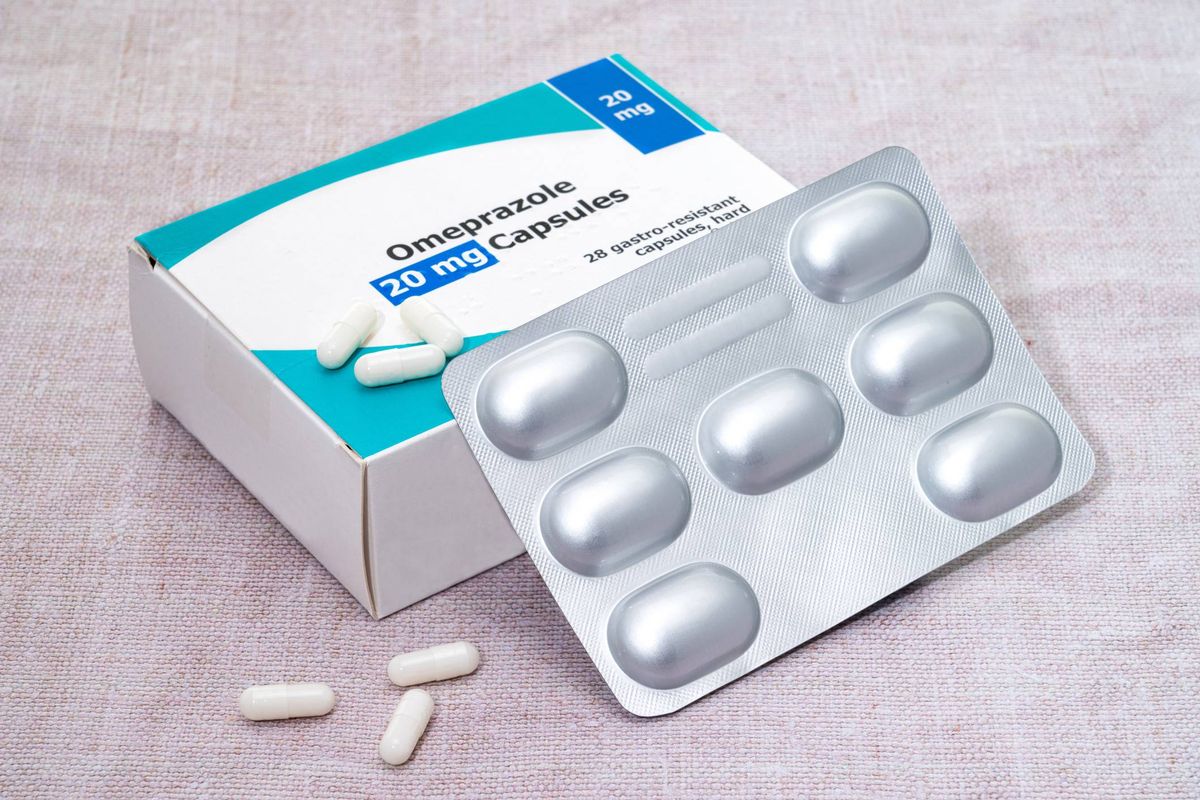
PPIs are usually prescribed for four to eight weeks for indigestion symptoms (stock image)(Image: Getty)
What are the long-term risks?
Long-term use of PPIs can lead to an increased risk of infections in the bowel, primarily Clostridium Difficile, and lungs, including pneumonia. It may also potentially reduce the absorption of crucial vitamins and minerals, such as magnesium, vitamin B12 and calcium.
Clostridioides difficile is a type of bacteria that can cause diarrhoea and colitis. This typically occurs after taking antibiotics that disrupt the balance of beneficial bacteria in your gut. Common symptoms of this infection include watery stools, stomach cramps, fever, and nausea.
Other potential risks of long-term PPI use could be a slight increase in the likelihood of fracturing bones in the hip, wrist, and spine, particularly for older individuals or anyone who takes high amounts for more than a year. Some longitudinal studies have also suggested a possible link to an elevated risk of chronic kidney disease.
However, there are instances where long-term PPIs are necessary, but the dosage may be adjusted to a lower maintenance dose, according to the NHS. Your GP will provide guidance on this.

They should be taken for as short a time as possible (stock image)(Image: )
Over-the-counter PPIs, on the other hand, are intended for short-term use, typically for 14 days at a time, and can be taken up to three times a year. If you find yourself requiring them more frequently, it’s advisable to consult a doctor to investigate other potential issues and discuss long-term management strategies.
In a crucial warning, the NHS cautions: “If indigestion does not go away after two to four weeks, you are vomiting for no obvious reason, have blood in your vomit, find it painful or difficult to swallow, are losing weight for no obvious reason or notice dark or black stool, contact your GP surgery as soon as you can, especially if you are 55 years or older.”
For those discontinuing PPI, or coming off them entirely, the NHS advises: “Your dose of PPI may be changed by your GP practice to ensure that you are on the lowest dose possible for the least amount of time.”
When you cease taking your PPI, you might observe that indigestion symptoms return for a short period, and sometimes they can feel worse than before. Typically, these symptoms diminish after about two to four weeks of stopping the PPI, and you can help manage them with an antacid or alginate. Your pharmacist or doctor can provide advice on this.
Once you finish your PPI treatment, it’s vital to minimise the chance of your indigestion recurring by making some lifestyle changes, which are detailed on the following page. For more information about indigestion, including its causes and how to manage symptoms, visit NHS.UK.
Important considerations
It’s crucial for a GP to routinely assess whether you still require long-term medications and if you’re utilising the minimum effective dose. Proton pump inhibitors (PPIs) can impact the efficacy of other drugs, such as the blood thinner clopidogrel (Plavix), methotrexate, and certain antifungal medicines. Always disclose to your doctor or pharmacist all the medications, supplements, and herbal products you are currently taking.
Modifying your diet and lifestyle can significantly aid in relieving symptoms and potentially decrease the need for long-term medication. This could involve losing weight if you’re overweight, avoiding trigger foods (like spicy or fatty foods, caffeine, alcohol, and chocolate), consuming smaller meals, not lying down immediately after eating, and giving up smoking.
Never abruptly stop taking your prescribed PPI without consulting your doctor first, particularly if you have a condition like Barrett’s oesophagus or are on gastroprotective therapy with NSAIDs or aspirin.
What is indigestion?
Indigestion, also known as dyspepsia, typically causes discomfort in the upper abdomen. This can feel like pain, burning, or a sense of fullness, especially after meals.
Other symptoms include bloating, too much burping, feeling nauseous, or even vomiting food or liquids. It’s a common issue that can happen in the upper abdomen or chest and can be caused by things like eating too much or consuming fatty foods. The discomfort can range from mild to severe.