
(Credits: Far Out / YouTube Still)
Wed 14 January 2026 23:00, UK
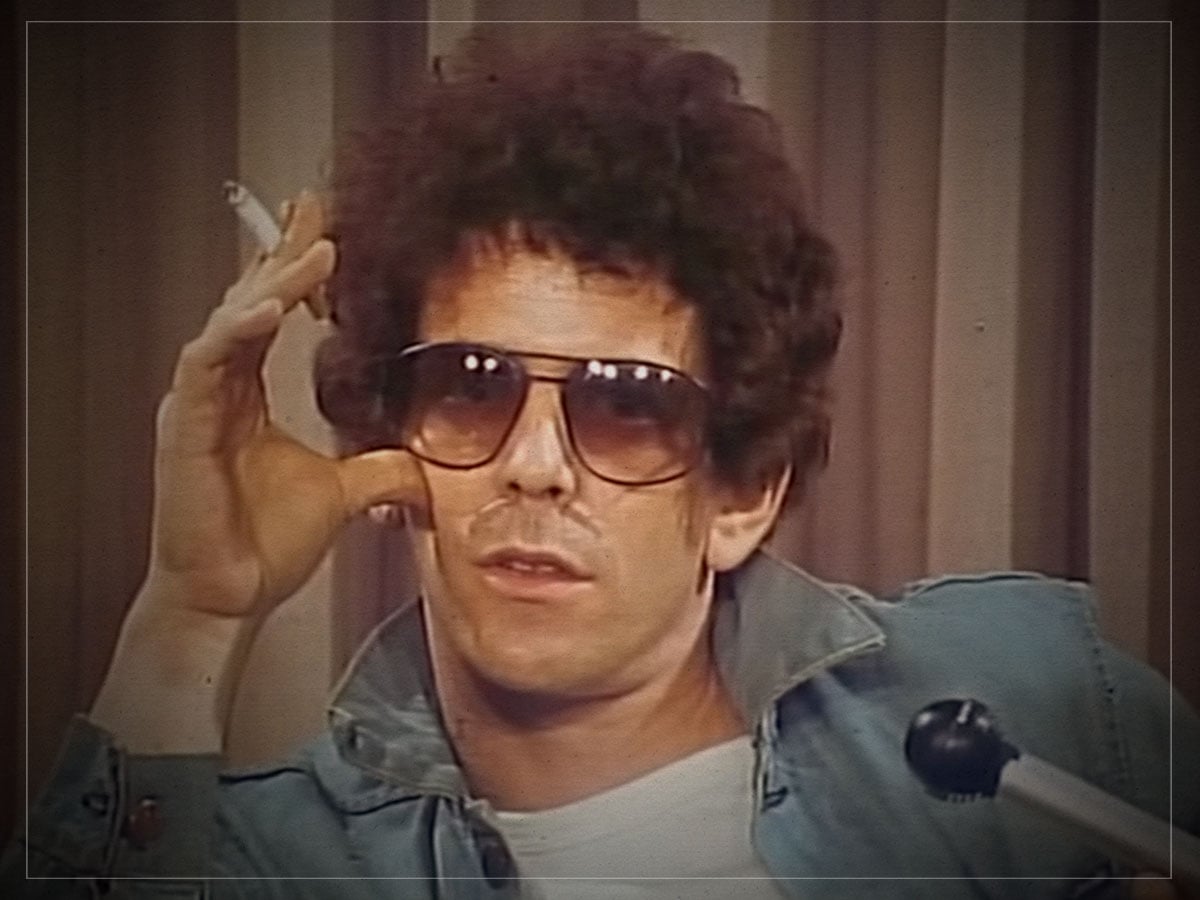
When looking through rock and roll history, it’s practically a miracle that Lou Reed managed to get a foothold with The Velvet Underground.
Everything about the band felt like the antithesis of what a rock and roll outfit should be doing, and yet, when looking at their criminally short catalogue, each record was about trying to find a different kind of sound that would come to define underground and alternative music for years to come. And while Reed wasn’t too bad as a solo artist, either, he felt that there was no sense in bringing his band back together if the right people weren’t there.
Granted, it’s not like the rest of the band were going to be able to match Reed’s knack for poetry whenever he performed. Some of the best tunes that the band ever made were brilliant character portraits of what life in the gutter looked like, and while they weren’t always the most pleasant thing to listen to, you could hear the raw honesty in Reed’s voice when singing songs like ‘I’m Waiting for the Man’.
But the band around him is what gave each album its distinct character. Their debut record may have had the guidance of Andy Warhol, but Nico’s vocals and John Cale’s viola are the perfect contrasts to the biting guitars on a lot of their tunes. And when they turned the dial up to 11 on White Light/White Heat, the band were able to follow Reed’s every move as he made sure every single song was pushed as far into the red as possible.
Although the latter half of their career together saw them trying their best as a standard rock and roll outfit, Reed’s biting lyrics never truly stopped. There were still songs that could be absolutely beautiful, like ‘Pale Blue Eyes’, but a song like ‘Rock and Roll’ can only come from someone who knew what Chuck Berry and Little Richard were talking about when they first started the genre back in the day. But most rock and roll lyrics aren’t going to mean anything if they don’t have the right heartbeat behind them.
Reed could play the best guitar that he could, but Maureen Tucker was always the band’s secret weapon whenever they performed. She didn’t have to be flashy at every single opportunity, but there was a lot of structure to the way that she started working on their records, whether that was giving a song a gentle pulse whenever they played or helping build up ‘Heroin’ from this two-chord tune into one of the greatest emotional exorcisms that the band ever attempted.
The band may have gone their separate ways after Loaded, but Reed felt that it was no use trying to keep everything together since Tucker wasn’t there, saying, “John [Cale] says that it broke up before we’d accomplished what we should have accomplished. I think he’s right in a way. My records are my version of it. John’s records are his version of it. The drumming of Maureen Tucker is something that can’t be replaced by anyone. And then, of course, Loaded didn’t have Maureen on it, and that’s a lot of people’s favorite Velvet Underground record.”
And beyond being a great drummer, Tucker’s contributions to the band’s material is one of the most neglected pieces of their history. A song like ‘After Hours’ isn’t exactly the hardest thing in the world to come up with, but if you look at how a lot of people have tried their hand at making acoustic-based pop tunes in the modern age, they’re only copying what Tucker was doing naturally.
But if you want a true testament to what Tucker could do, just throw on ‘Sister Ray’ and hold on tight. She was the kind of powerhouse that the band needed, and even if she wasn’t playing in the same way that someone like John Bonham would have, she filled that role in The Velvets just as well as Meg White did in The White Stripes. It wasn’t perfect, but you could think of anything better working on every track.
Related Topics