
(Credits: Far Out / Harry Pot / Anefo / Dutch National Archives)
Wed 14 January 2026 20:00, UK
Any discussion of the greatest album covers of all time will inevitably include The Beatles. While they are often credited for revolutionising the music that exists within the sleeve, their impact on the experimentation of album artwork simply cannot be understated.
Their 1966 record Revolver, which many consider to be the gateway into the world of psychedelia, rightly started a chain of visual experimentation. Realising that the artwork could translate the myriad of ideas that the music concealed, the band pushed the realms of possibilities and redefined what a good album cover could look like.
No longer did they have to be simple press shots, of the band suited and booted in one of London’s streets of opulence; instead, it could be abstract, creative and at times, utterly separate from the four members themselves. What started with a surrealist collage on Revolver, moved to a vibrant cocktail of history on Sgt Pepper’s Lonely Hearts Club Band, before moving to the audaciously minimal on The White Album.
But the understanding of how to execute that with a keen sense of artistic nuance came after a monumental failure from the band. Because in 1966, there was something rebellious brewing within them and ultimately, that is what resulted in Revolver. But in a bid to express that more provocatively, the band more brazenly adopted the approach of outright shock and awe.
Posing for the cover of their 1966 record Yesterday And Today, wearing butcher coats, while being surrounded by slabs of raw meat and headless baby dolls. There was a sinister yet gleeful look in the eyes of the band the world had then considered to be the boys next door, and naturally, widespread outrage stirred in the wake of the album release, and so prompted the label to recall it almost immediately.
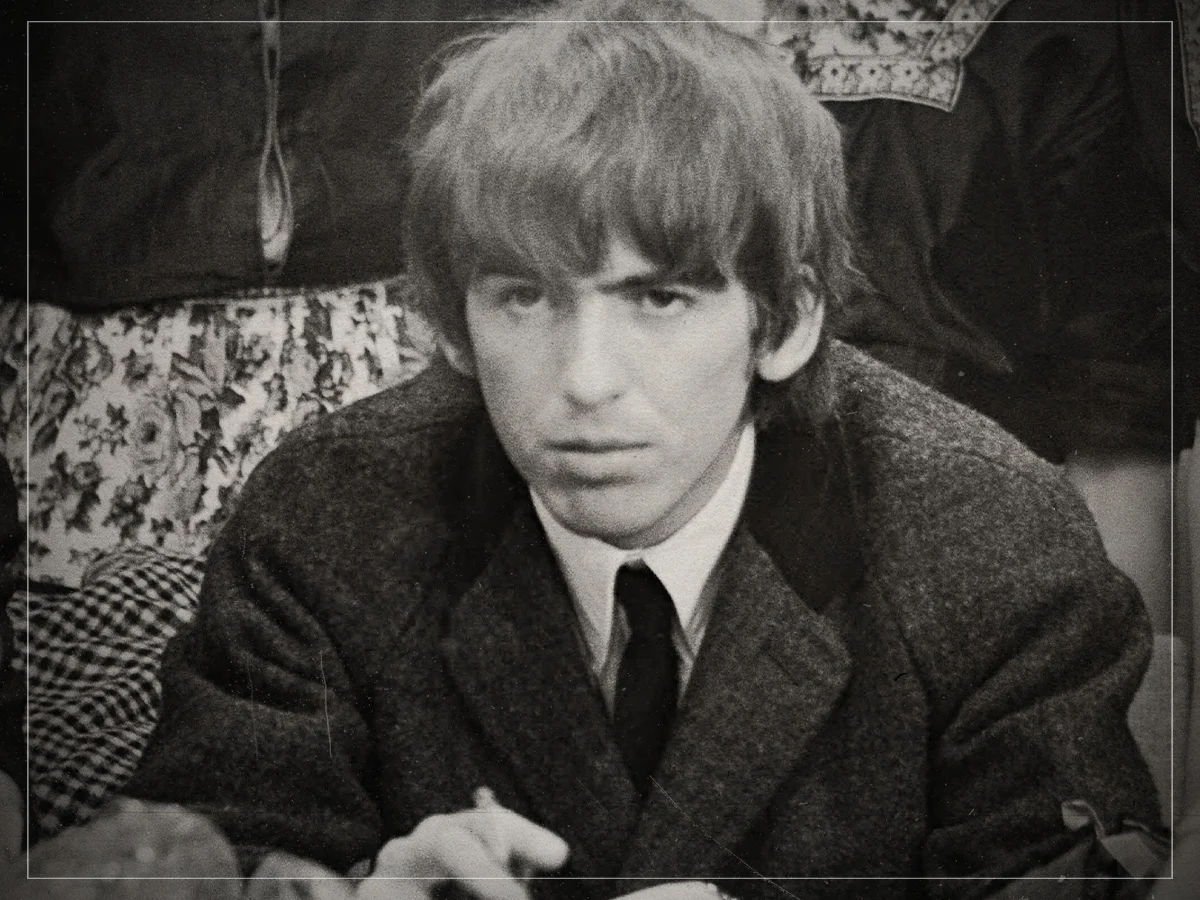
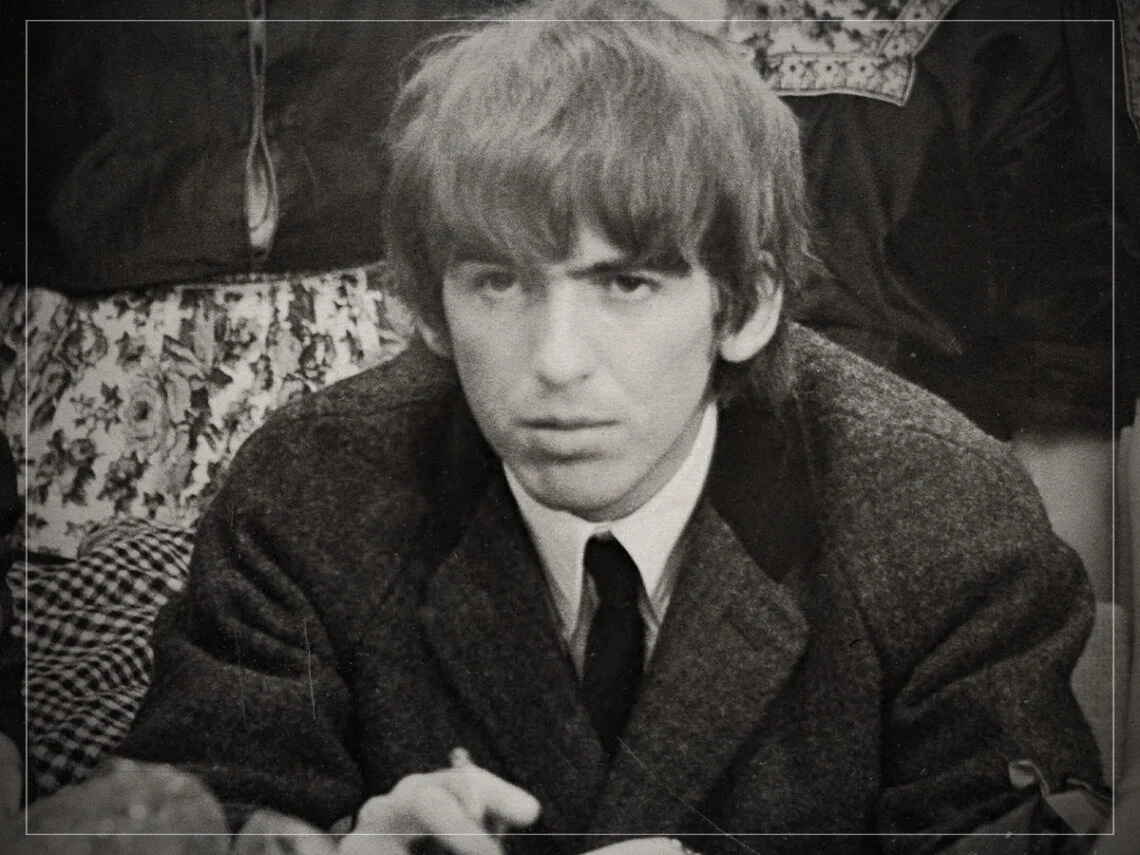
John Lennon and Paul McCartney have always defended the creative decision, labelling it a necessary turn into a more fearless artistic space, but George Harrison took a different stance, claiming that he never truly felt comfortable with it as an image reflecting their music.
“I thought it was gross, and I also thought it was stupid,” he said in The Beatles Anthology. “Sometimes we all did stupid things, thinking it was cool or hip when it was naive and dumb, and that was one of them. But again, it was a case of being put in a situation where one is obliged, as part of a unit, to cooperate.”
He continued, “So we put on those butchers’ uniforms for that picture. In the photograph we’re going, ‘Ugh!’ That’s what I’m doing, isn’t it?… I’m disgusted, and especially so by the baby dolls with their heads off. What the bloody hell is that all about?”
The oversight of Harrison’s feelings towards this shoot was somewhat indicative of his experience as a whole come 1966. Fresh back from a creative awakening in India, Harrison was ready to meaningfully contribute as a songwriter, yet still had to submit to the artistic decisions of Lennon and McCartney.
Related Topics
The Far Out Beatles Newsletter
All the latest stories about The Beatles from the independent voice of culture.
Straight to your inbox.