
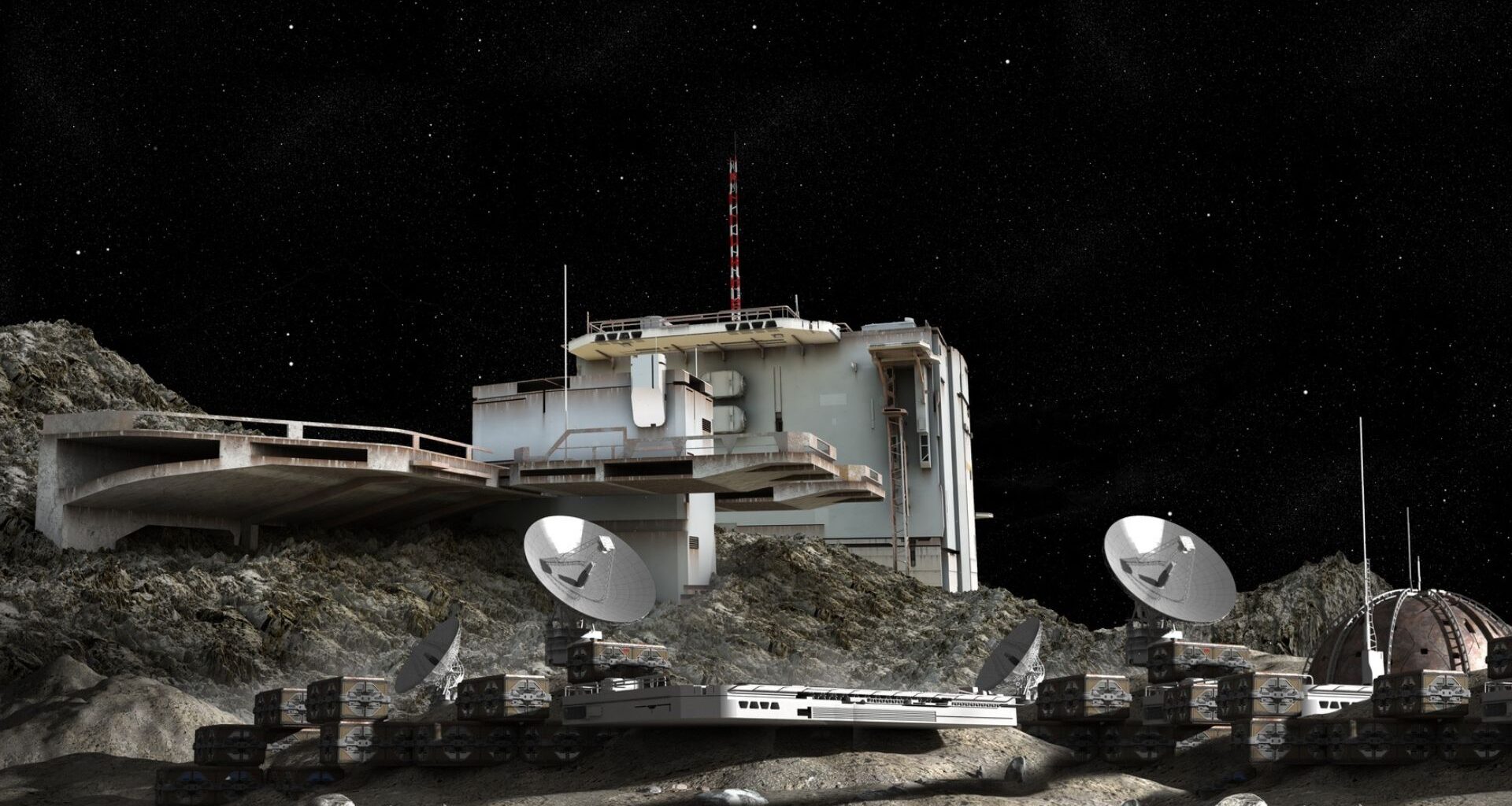
NASA and the US Department of Energy (DOE) have finalized an agreement to research and develop a fission surface power system.
This collaboration focuses on deploying a nuclear reactor on the moon by 2030 to support the Artemis campaign and provide a foundation for missions to Mars.
A primary obstacle to establishing a presence on the moon is the lack of a constant power supply. Most lunar missions currently rely on solar energy; however, the moon experiences nights that last approximately 14 Earth days.
During these periods, solar panels cannot generate electricity, and temperatures drop.
A fission surface power system is being developed to address these limitations. Unlike solar power, nuclear fission provides electricity regardless of the lunar day-night cycle, temperature variations, or dust accumulation on equipment.
Technological strategy and operational stability
The system is designed to produce a power supply that can operate for several years without the need for refueling or maintenance.
“NASA and DOE anticipate deploying a fission surface power system capable of producing safe, efficient, and plentiful electrical power that will be able to operate for years without the need to refuel,” said NASA in a press release.
“The deployment of a lunar surface reactor will enable future sustained lunar missions by providing continuous and abundant power, regardless of sunlight or temperature.”
The agreement between NASA and the DOE allows for technical cooperation to develop, fuel, and authorize the reactor for launch.
This effort involves utilizing the expertise of both agencies—NASA’s experience in space mission architecture and the DOE’s expertise in nuclear reactor design and fuel management.
Facilitating requirement for lunar infrastructure
NASA Administrator Jared Isaacman noted that the agreement facilitates the capabilities required for lunar infrastructure.
By establishing a power grid on the moon, agencies can support life-support systems, laboratories, and resource-extraction activities that are constrained by intermittent power sources.
Earlier, the Russian state space agency Roscosmos announced plans to build a nuclear power plant on the lunar surface within the next decade.
This proposed reactor would power surface infrastructure, including equipment and autonomous rovers, to facilitate deep-space research.
Global efforts toward space goals
The collaboration between NASA and the DOE is built upon 50 years of joint development for space exploration.
Past missions have used radioisotope thermoelectric generators (RTGs) to power deep-space probes where solar light is faint. Moving toward a fission reactor represents an increase in the scale of power generation available for human-tended missions.
“History shows that when American science and innovation come together, from the Manhattan Project to the Apollo Mission, our nation leads the world to reach new frontiers once thought impossible,” added US Secretary of Energy Chris Wright.
The moon, located 238,855 miles (384,400 kilometers) away, plays a role in Earth’s environment by stabilizing the planet’s axial tilt and regulating ocean tides. Establishing a research base, supported by energy, allows for the study of these phenomena and the history of the solar system.
“America is committed to returning to the moon, building the infrastructure to stay, and making the investments required for the next giant leap to Mars and beyond,” concluded Isaacman.
“Achieving this future requires harnessing nuclear power.”