
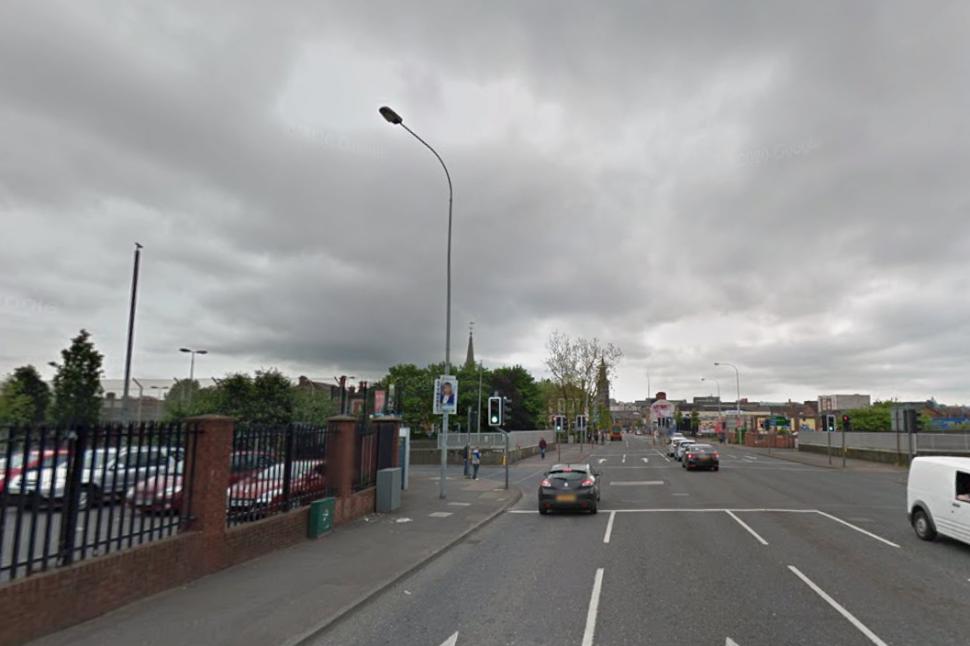
Walk Wheel Cycle Trust, the charity formerly named Sustrans, has warned a Belfast street where a cyclist was killed in a collision involving an HGV being driven on the route “is not safe for people walking or cycling”.
The warning and urgent appeal for action comes following the inquest into Gary McMahon’s death, the 58-year-old cyclist who died on one of the city’s busiest roads back in November 2024.
Mr McMahon had ridden across a pedestrian crossing on Clifton Street, having “misinterpreted” the intentions of an HGV driver on the main road. The cyclist was struck as the HGV driver made the turn, Mr McMahon having crossed while the pedestrian light was still red.
The inquest heard the driver had made an “appropriate number of checks” but did not see Mr McMahon in the vehicle’s blind spot. The case has raised questions about HGV safety features in Northern Ireland, as well as concerns about a lack of safe active travel infrastructure.
Coroner Anne-Louise Toal explained how Mr McMahon had not realised the HGV driver was turning and the death underlines the dangers cyclists and pedestrians face “particularly in a country which does not have a comprehensive cycle network”.
Similarly, Anne Madden of Walk Wheel Cycle Trust told the BBC the route where the collision happened “has long been regarded as unsafe for people cycling and walking”.
“The cyclist jumped the red light, which he shouldn’t have done but it highlighted how poor the particular infrastructure is in that particular part of Belfast,” she said. “The Clifton Street area has long been regarded as unsafe for people cycling and walking. There have been a number of plans put forward to improve that, which we haven’t seen.
“The coroner made the point that as the number of people cycling increases we don’t have an extensive safe network to accompany that.”
While the coroner did highlight the shortcomings in Northern Ireland’s cycling infrastructure, she did also suggest to the inquest that helmets, reflective clothing and lights should all be used by cyclists. Ms Toal urged motorists, especially those in large vehicles, to take care to be aware of cyclists on the roads.
It was also highlighted how additional safety measures, like what the city of London requires HGVs to have fitted, could “drive down collision numbers and the tragic deaths that are increasingly arising”.
Tragically, in this case the HGV involved did have a system fitted to play an audible warning when the driver intended to turn, however it is believed power-washing may have damaged the speaker.
While systems such as Cyclesense are not mandatory in Northern Ireland, the tribunal heard from a PSNI officer who said it was “very beneficial” in London and “unfortunately” had not yet been made a legal requirement in Belfast. The officer giving evidence was unequivocal that the use of such systems as a mandatory requirement could help prevent future deaths.
The officer also told the hearing that the driver had been on a hands-free call at the time of the fatal collision, but suggested it “wasn’t distracting” and the driver had made the “appropriate checks”.
Witnesses who saw the collision reported the driver “did everything right” and “never would have been able to see” Mr McMahon. The cyclist had made it about three-quarters of the way across the road when “it looked like the lorry hit the back wheel of the bike”, one witness recalled.