

Four crew members from the International Space Station have returned safely to Earth, completing the first medical evacuation in the 65-year history of human spaceflight.
The splashdown of Crew 11 off the coast of California at 12.41am local time (8.41am GMT) brought an early end to their time in orbit, after an unspecified medical incident — described by the head of Nasa as “serious” –– prompted their return.
“On behalf of SpaceX and Nasa, welcome home,” SpaceX mission control told the crew.
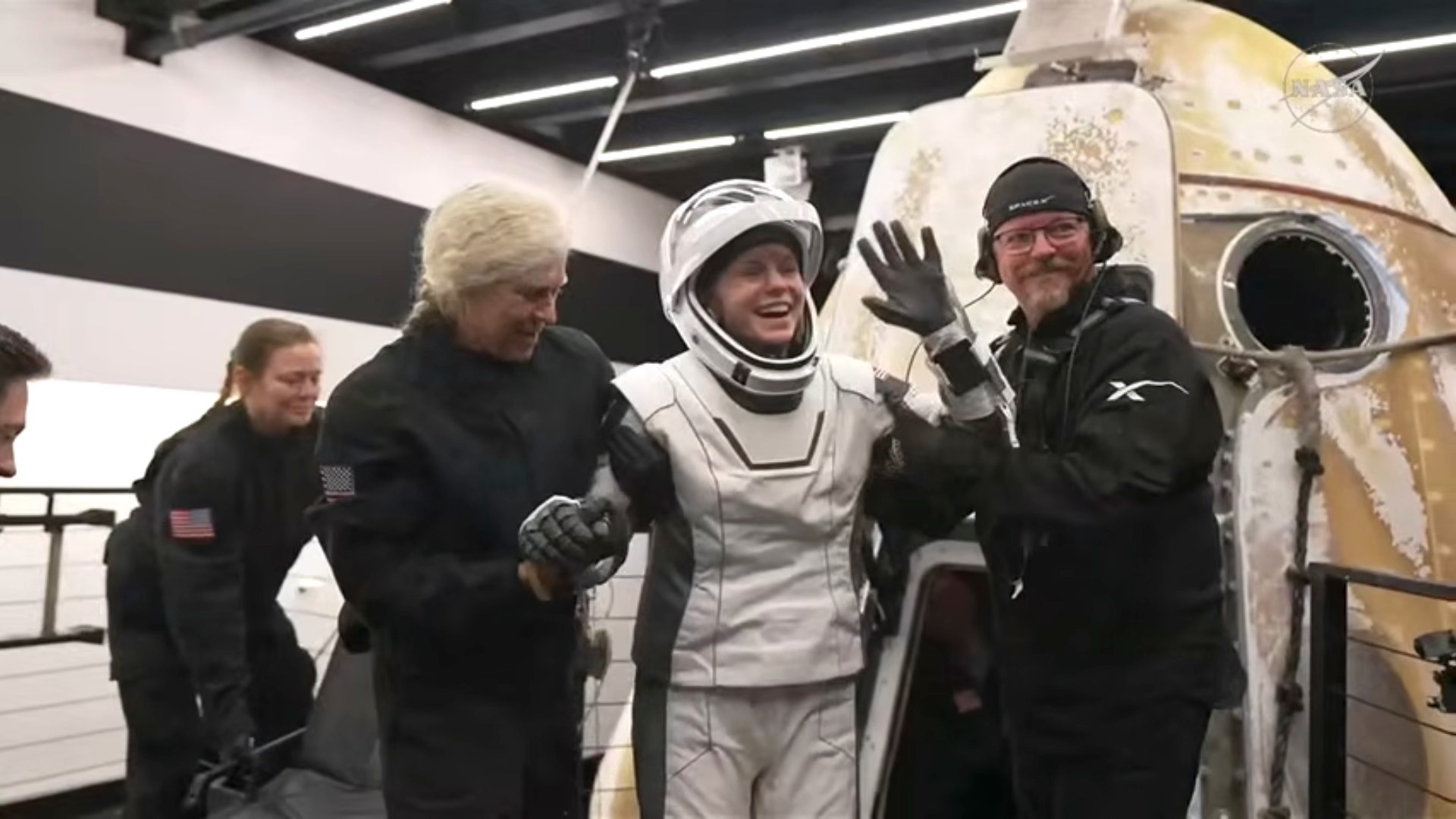
Zena Cardman is helped out of the SpaceX capsule
NASA/AP
Zena Cardman, the mission commander, replied: “It’s so good to be home, with deep gratitude to the teams who got us there and back.”
The SpaceX Crew Dragon capsule, also containing Cardman’s American crewmate Mike Fincke, Kimiya Yui from Japan and Oleg Platonov, from Russia, streaked across the night sky over California in a blazing ball of plasma as it re-entered Earth’s atmosphere, reaching exterior temperatures up to 1,900C (3,500F) before parachutes deployed to slow its descent.
Their safe arrival ended a 167-day mission that took them 2,672 times around the Earth — a total journey of 70.8 million miles (113.9 million kilometres). Dolphins darted and leaped around the capsule as it bobbed in the Pacific Ocean, awaiting retrieval and transfer to a recovery ship.
Jared Isaacman, Nasa’s administrator, commended the crew and ground personnel from Nasa and SpaceX, who worked together to execute the hastily arranged homecoming.
“Watching it play out, from the time of the original situation developing to getting our astronauts safely in the water and on their way to medical care was executed near flawlessly,” he said.
“Obviously we took this action because it was a serious medical condition … it was a serious situation. The astronaut in question is fine right now, in good spirits and going through the proper medical checkouts.”
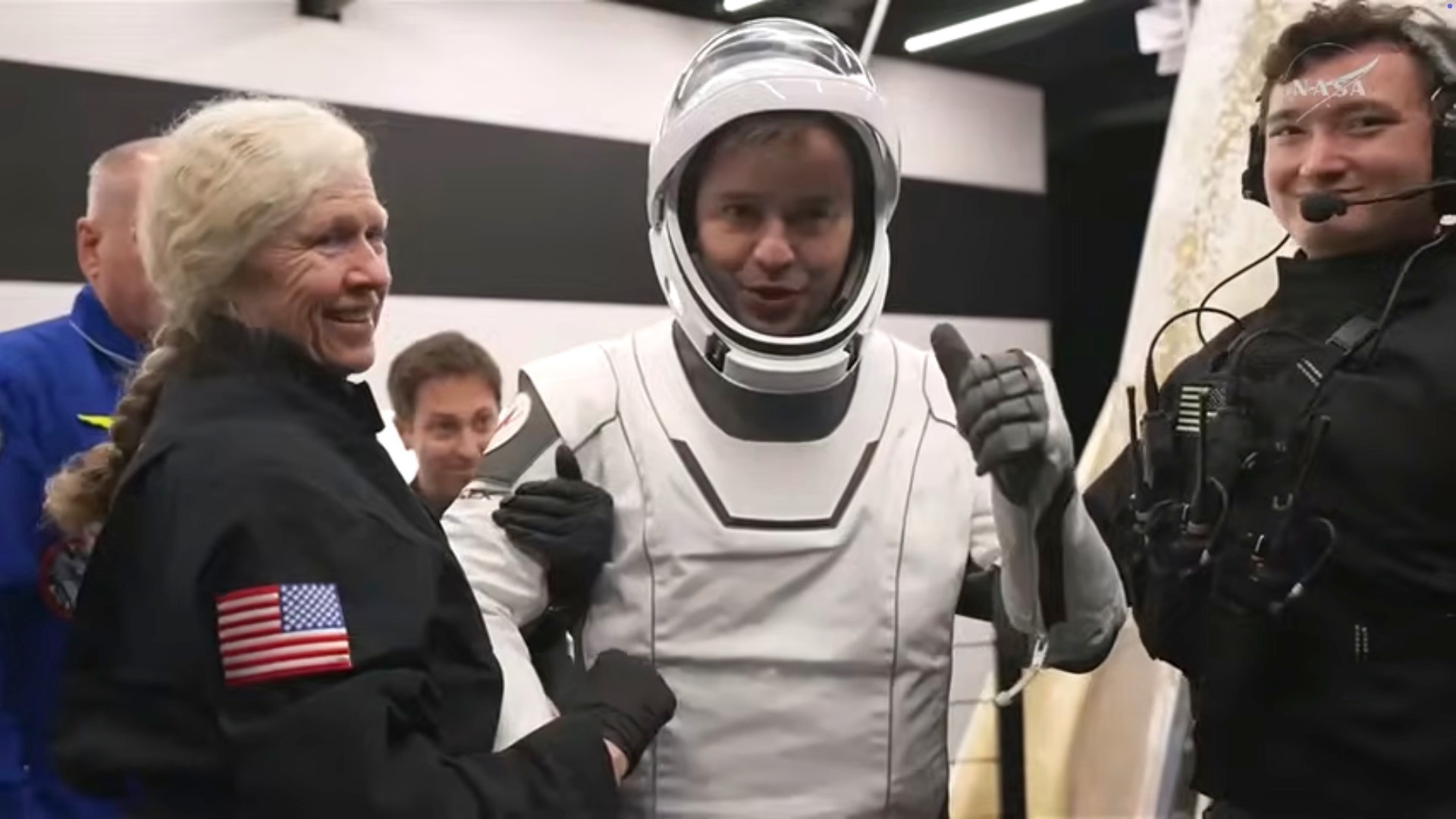
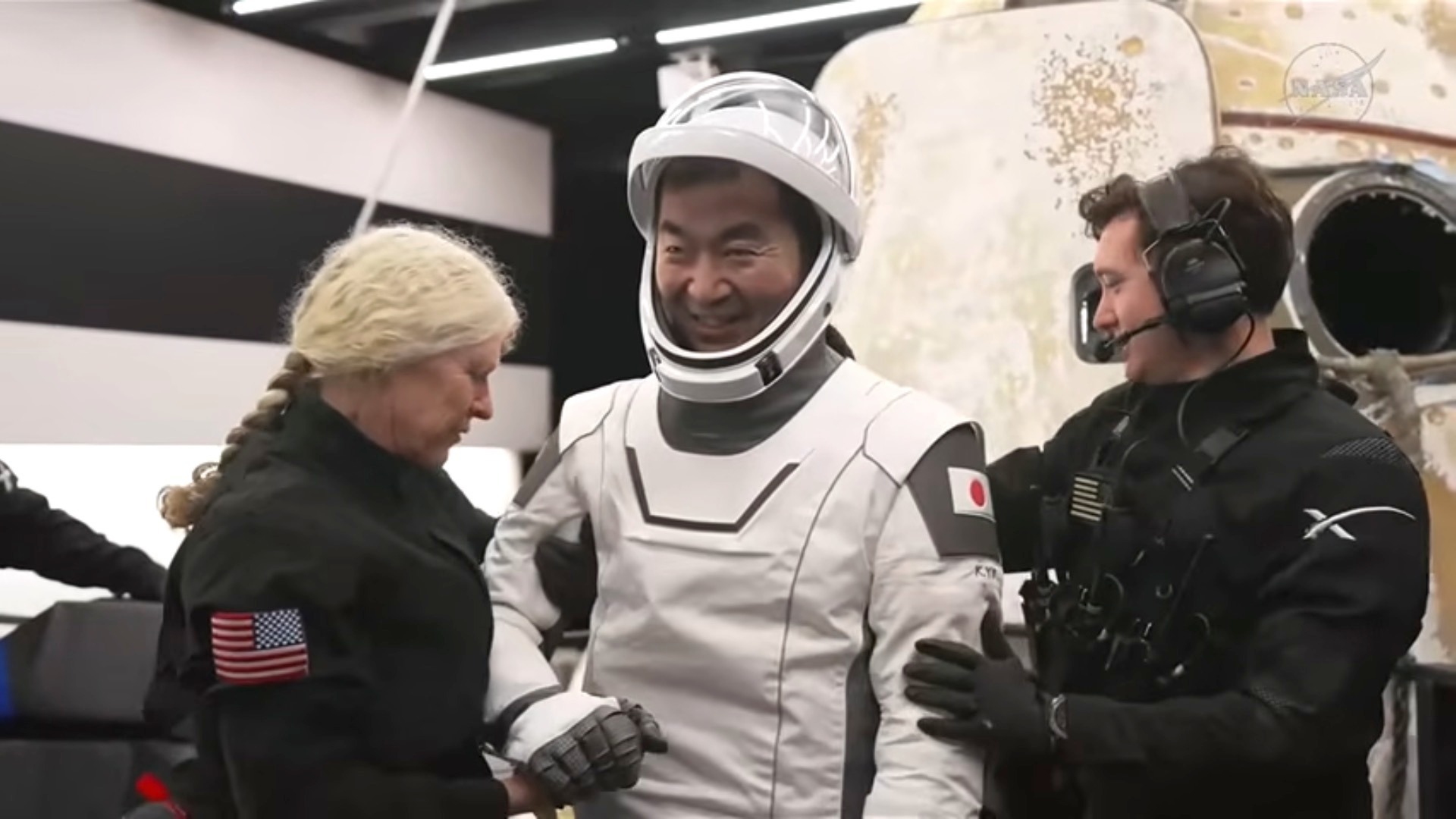
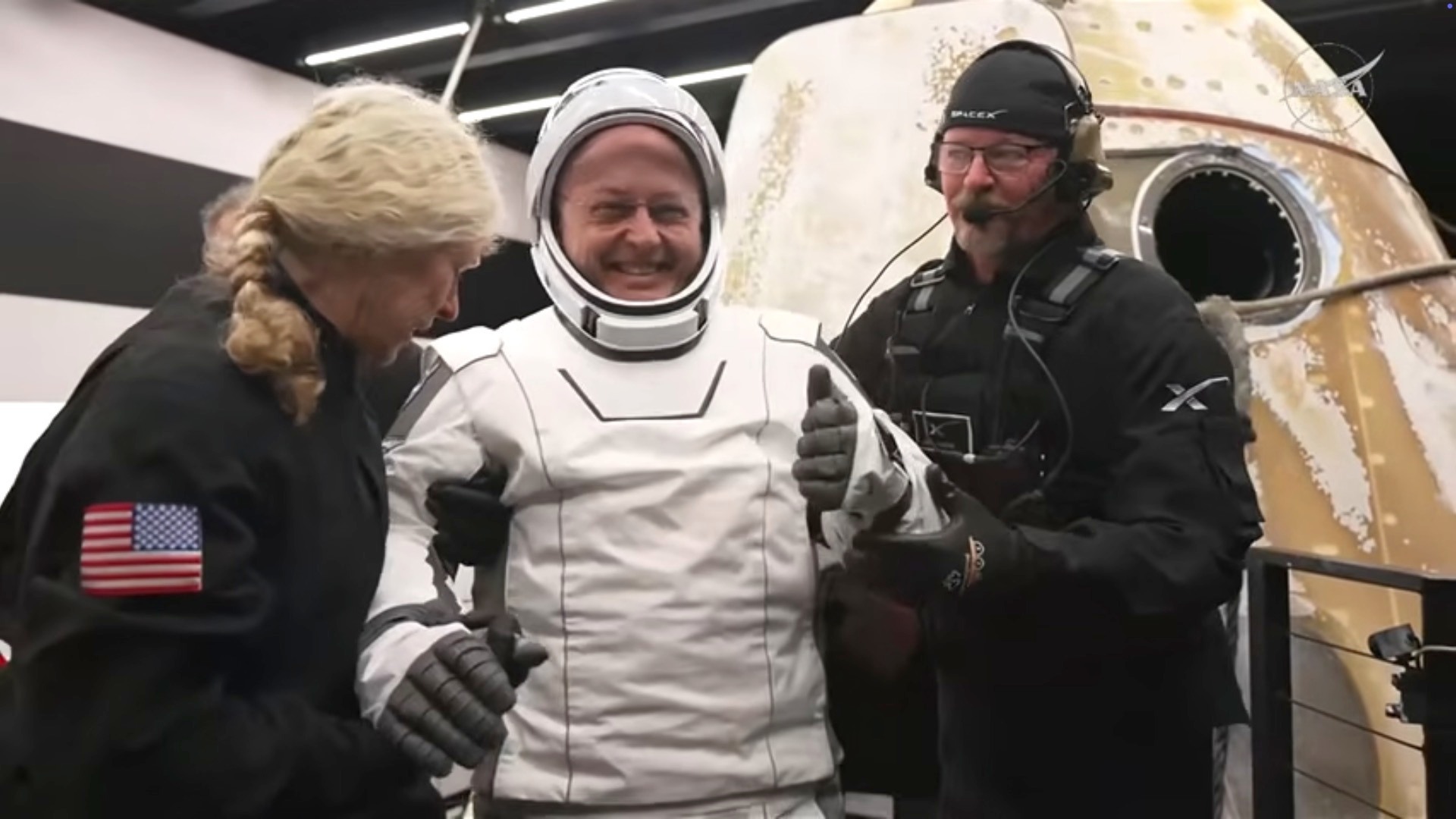
All four crew members smiled and waved as they were helped out of the capsule and, in line with protocol, taken away on gurneys for initial check-ups in the recovery ship’s medical quarters.
They were then due to be taken by helicopter to San Diego, California, where they will all spend a night in hospital for “continued monitoring and checkouts using medical equipment not available aboard the space station”, said Leah Cheshier, a Nasa public affairs officer. On Friday, they will be flown home to Houston, Texas, to be reunited with their families.
• Sign up for The Times’s weekly US newsletter
Nasa has been fiercely protective of the sick crew member’s identity, to ensure their medical privacy.
“The crew member is stable and we were able to monitor their condition in orbit, but we want to take advantage of resources on Earth to provide the best care possible,” Cheshier explained.
“Nasa maintains relationships with local hospitals to ensure readiness for any post-landing needs and for this return we are utilising that option,” she added.
The crew’s work during the five-month stay aboard the ISS included 140 science experiments and technology demonstrations, including studies that could help develop new strategies in the treatment and prevention of bone loss and research into growing human tissues and organs in microgravity conditions.
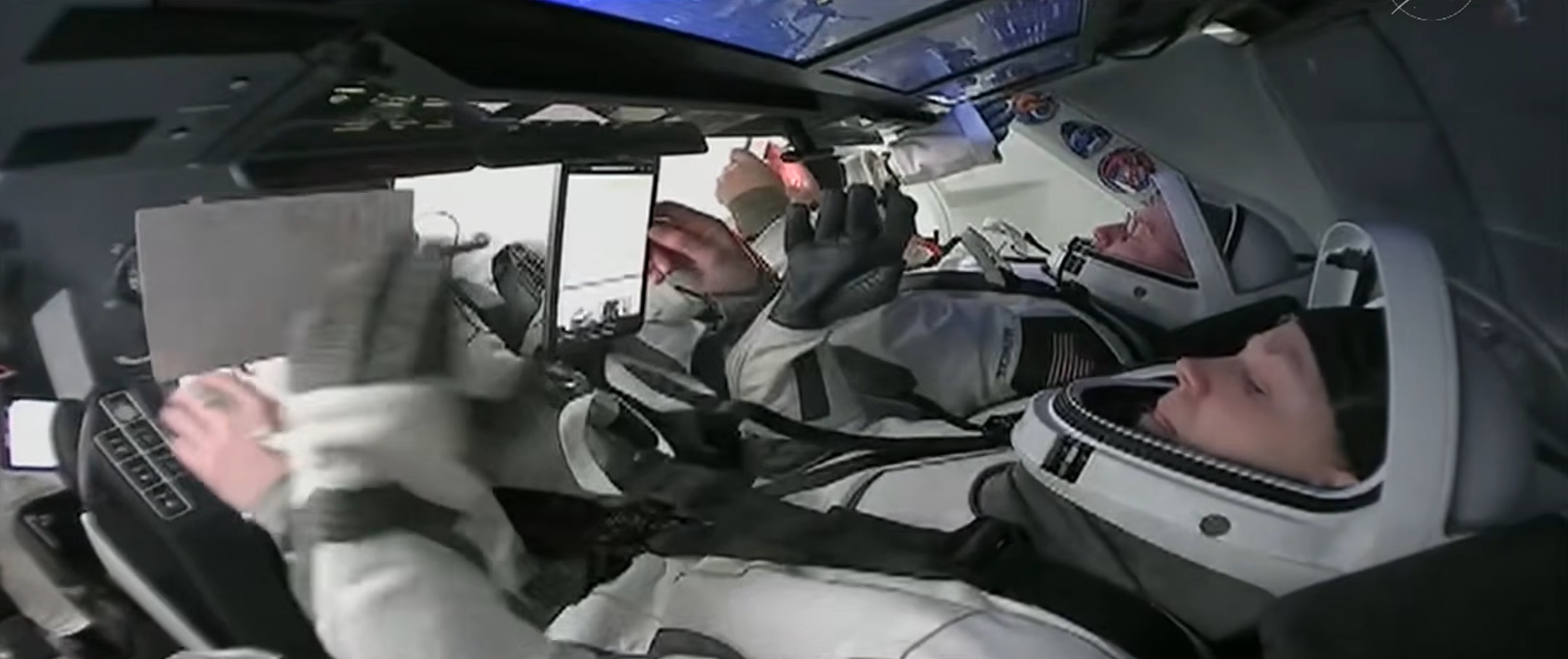
Crew 11 prepare to make their journey home, boarding the SpaceX capsule that will carry them back to Earth
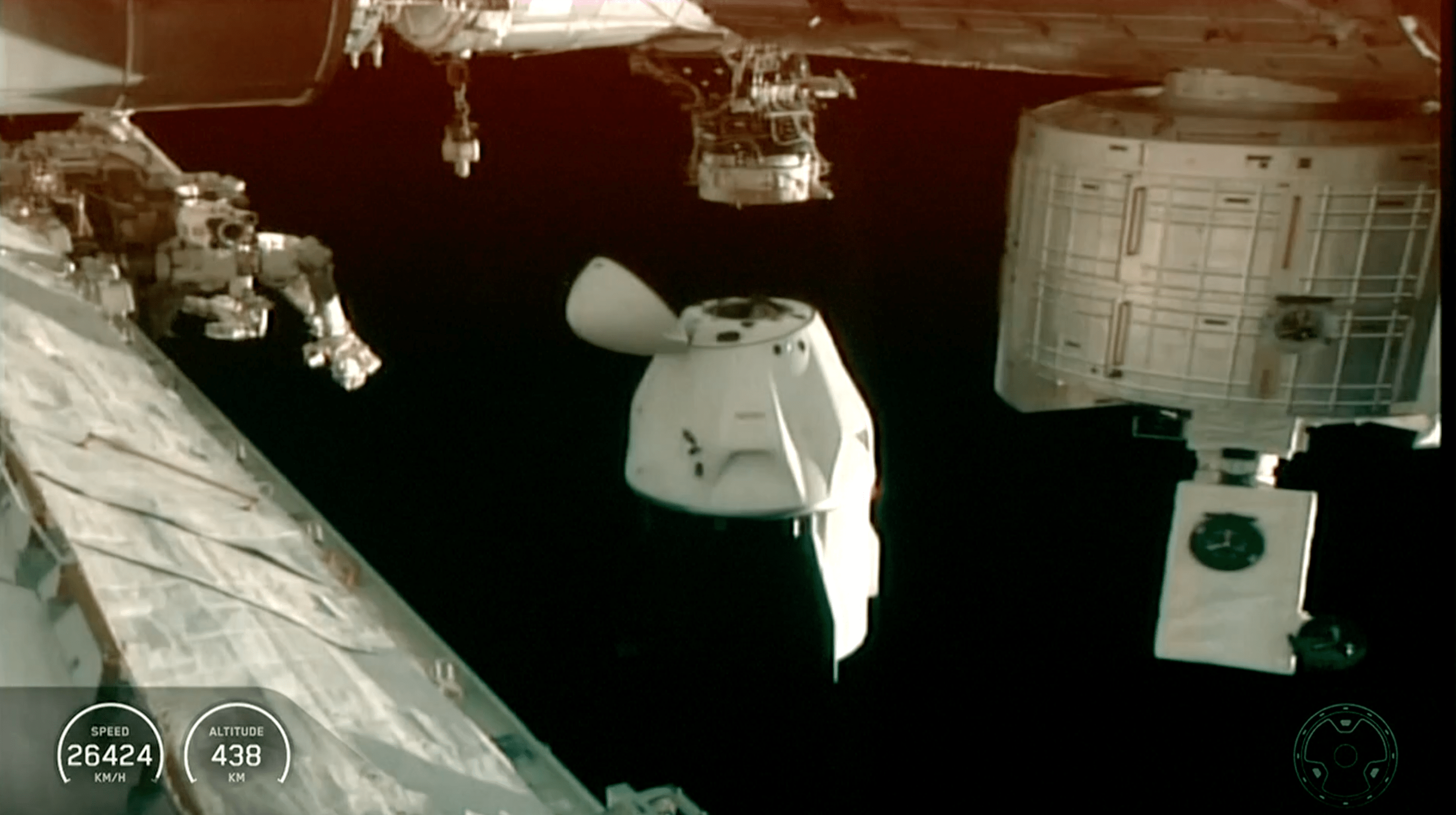
The SpaceX capsule undocking from the ISS
Nasa’s Crew 11 begins their journey back to Earth on board the SpaceX capsule
The individual is not considered an emergency case but the decision to bring them home was due to what Nasa’s chief medical officer, James Polk, described last week as “lingering risk”.
• Inside Nasa’s first medical evacuation from space
The incident — which was not accident-related — manifested suddenly last Thursday, on the eve of a scheduled 6.5-hour spacewalk by Cardman, 38, and Fincke, 58, to prepare exterior hardware in readiness for the installation of new solar arrays.
Nasa did not broadcast the crew’s exit from the ISS on Wednesday, when those departing traditionally exchange farewell hugs and handshakes with the remaining ISS crew before floating through the hatch to board their transport.
The space agency’s livestream began by showing Cardman, Crew 11’s commander, and Fincke, the pilot, already seated and their colleagues floating while preparing to take their positions.
Joel Montalbano, a deputy administrator at Nasa, said of the crew: “They were sad, of course, but they were ready … I will tell you they were even cracking jokes a couple of times.”
Yui, an astronaut with the Japanese space agency, stated in his final social media post from the station’s Kibo science laboratory on Wednesday: “The days I worked here were, I think, the most shining moments in my life.”
He added: “I am truly grateful to everyone for all the support you gave me. Let’s meet again on the most beautiful star in the vast universe, Earth.”